
- $60M acquisition: Ashkenazy Acquisition Corp. purchased Orland Park Place, a 600,000-square-foot power center in Chicago, for $60 million.
- $750M capital deployment: The firm is actively deploying $750 million to acquire high-performing retail, hospitality, and distressed debt assets across the U.S.
- Chicago market strength: The Chicago metro area's retail vacancy rate fell to 6.8% in Q2 2023, its lowest since 2005.
Experts would likely conclude that Ashkenazy's investment underscores the resilience and strategic value of well-located, high-performing retail hubs, particularly in thriving markets like Chicago, despite broader market pessimism about physical retail.
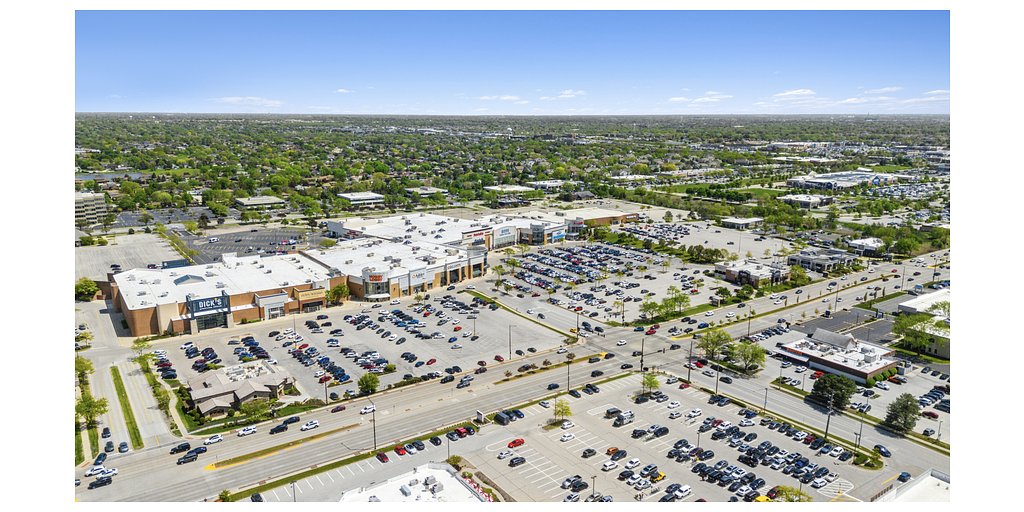
Ashkenazy's $60M Chicago Bet Signals Bold Confidence in Retail's Future
NEW YORK, NY – December 05, 2025 – In a decisive move that underscores a bullish outlook on physical retail, Ashkenazy Acquisition Corp. has finalized the purchase of Orland Park Place, a sprawling 600,000-square-foot power center in a prime Chicago suburb, for $60 million. The transaction is a significant component of the private real estate investment firm’s ongoing strategy to deploy $750 million in capital toward acquiring best-in-class retail, hospitality, and distressed debt assets across the United States.
The acquisition from seller PMAT Companies, financed by Webster Bank, is more than just a single transaction; it is a clear statement on the enduring value of strategically located, high-performing retail hubs in an era of digital commerce. As some sectors of the brick-and-mortar landscape struggle, Ashkenazy’s investment highlights a growing bifurcation in the market, where dominant, well-conceived power centers continue to attract both shoppers and savvy investors.
A Contrarian Bet on Bricks and Mortar
For years, the narrative of a “retail apocalypse” has dominated market discussions. However, Ashkenazy Acquisition’s aggressive purchasing strategy paints a different picture—one of strategic opportunity and resilience. The choice of Orland Park Place is a textbook example of the firm's investment thesis, which targets assets that defy generalized market pessimism. Power centers, unlike many traditional enclosed malls, have shown remarkable strength, largely due to their tenant mix and convenience.
Orland Park Place is anchored by a roster of national retail giants, including Nordstrom Rack, Dick’s Sporting Goods, Marshalls, Ross, and Barnes & Noble, alongside high-traffic destinations like Planet Fitness. These tenants, which the firm notes generate “some of the most robust tenant sales volumes in the country,” create a destination that caters to a wide array of consumer needs, from apparel and home goods to sporting equipment and services. This blend of discount, specialty, and necessity-based retail creates a powerful draw that ensures consistent foot traffic and insulates the property from the volatility affecting less diverse shopping venues.
Ashkenazy’s philosophy centers on identifying “quality retail and hospitality properties from owners burdened by high leverage and facing market challenges,” effectively seeing opportunity where others perceive risk. By focusing on properties with a strong merchandising mix in densely populated locations, the firm capitalizes on the fundamental drivers of retail success that persist despite broader market shifts.
The Chicago Market's Magnetic Pull
The decision to invest heavily in the Chicago suburbs is backed by compelling market data. Far from being a market in decline, Chicago’s retail sector has displayed remarkable vitality. As of the second quarter of 2023, the metropolitan area’s retail vacancy rate fell to 6.8%, its lowest point since 2005. This tightening of supply, coupled with historically low levels of new construction, has created a landlord-favorable environment with sustained rent growth.
Furthermore, Chicago led all U.S. markets in the net absorption of retail space in the first half of 2023, signaling robust demand from tenants eager to secure a foothold in the region. The area's strong economic fundamentals, affluent population, and recovering consumer traffic have made it a top-tier target for investors, with the market recording approximately $2.7 billion in sales volume in the twelve months leading into the third quarter of 2024, ranking third nationally.
Orland Park Place sits squarely within this thriving ecosystem. Located about 25 miles southwest of downtown Chicago, the center serves a dense residential area with over 160,000 people within a five-mile radius, boasting an average household income exceeding $133,000. This demographic strength, combined with the center's easy accessibility via major interstate highways, provides a stable and lucrative consumer base, making it a prime example of the “well-located” assets Ashkenazy prioritizes.
Anatomy of an Aggressive Growth Play
The Orland Park Place deal is a key move in a much larger strategic campaign for Ashkenazy Acquisition. The New York-based firm, which holds a portfolio valued at over $12 billion, is actively deploying a $750 million discretionary fund to acquire premier assets. This war chest allows the company, led by founder Ben Ashkenazy, to move with speed and certainty, a significant advantage in a competitive market.
The nature of the transaction itself speaks volumes. According to PMAT founder and CEO Bob Whelan, the deal was a straightforward affair: “Ben Ashkenazy and I shook hands to an all-cash, no-contingency deal with a quick close.” Such terms are highly attractive to sellers, demonstrating Ashkenazy’s deep capital reserves and conviction in its acquisitions. It allows the firm to bypass lengthy financing contingencies and secure sought-after properties efficiently.
This acquisition is not an isolated event. It follows the firm's recent purchase of the Shops at Atlas Park, a 374,000-square-foot lifestyle center in Queens, New York. Together, these acquisitions showcase a pattern of targeting large-scale, value-add retail centers in major metropolitan areas. The firm’s strategy is not simply to acquire and hold, but to actively “reinvest, reposition, and reimagine each asset.”
For Orland Park Place, this suggests a future of active management aimed at maximizing its potential. Drawing from its playbook at other properties, Ashkenazy will likely conduct a thorough analysis of the current tenant mix, seeking opportunities to enhance the merchandising lineup and customer experience. This could involve bringing in new dining options, experiential retail concepts, or other services that align with the evolving preferences of the local community. By modernizing and optimizing the property, the firm aims to build upon its existing success and drive long-term value, proving once again that in the world of retail, strategic investment in physical space is far from over.