
- Apryse's new Intelligent Character Recognition (ICR) technology is designed to convert handwritten data into structured, machine-readable formats, addressing a long-standing challenge in digital transformation.
- The SDK allows enterprises to process sensitive documents entirely within their own secure infrastructure, eliminating external data exposure.
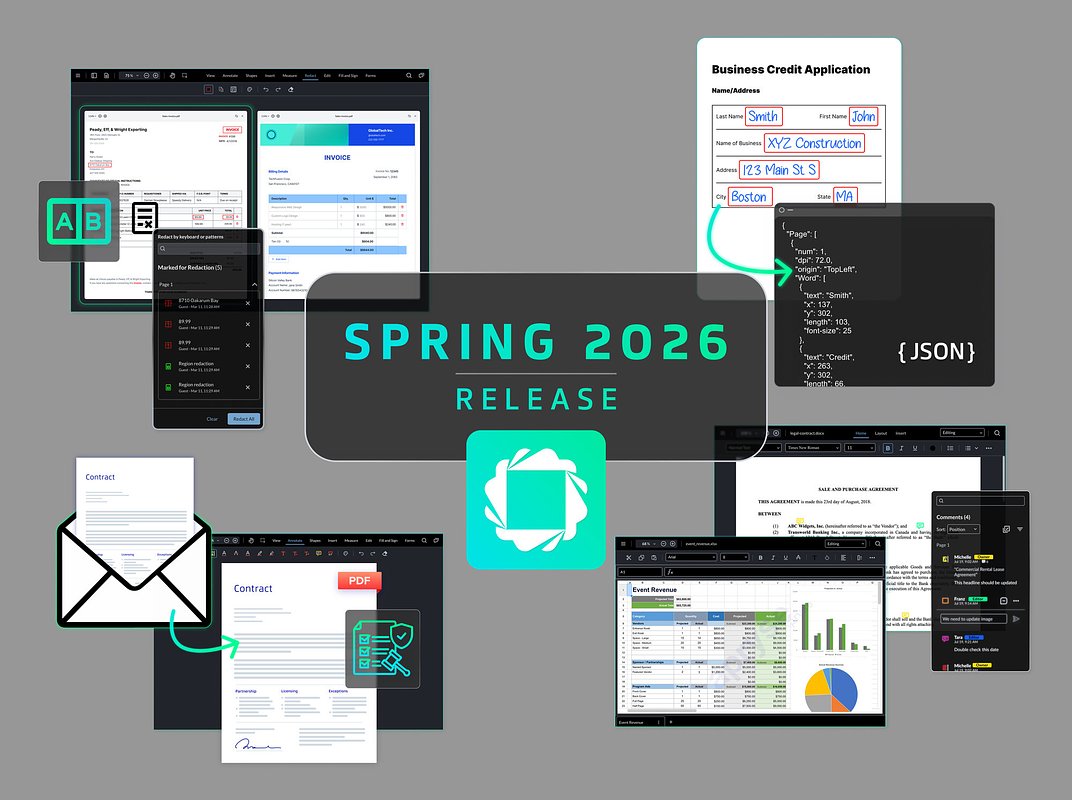
- The Spring 2026 release includes additional features like email-to-PDF conversion, PDF sanitization API, and expanded file conversion support.
Experts would likely conclude that Apryse’s new ICR technology represents a significant advancement in enterprise AI, particularly for industries like healthcare, finance, and insurance, where handwritten data has been a persistent bottleneck in automation and digital transformation.
Apryse Unlocks Handwritten Data for Enterprise AI with New SDK
DENVER, CO – April 15, 2026 – Document technology leader Apryse today announced a significant advancement in enterprise artificial intelligence, launching an AI-powered capability designed to read and interpret handwriting. The new Intelligent Character Recognition (ICR) technology, part of its Spring 2026 release, aims to solve one of the most persistent challenges in digital transformation: converting messy, variable human script into structured, machine-readable data.
For decades, industries have been bottlenecked by paper forms, handwritten notes, and signed documents that resist automation. While Optical Character Recognition (OCR) mastered printed text long ago, handwriting has remained the final, unconquered frontier of data extraction. Apryse’s release targets this gap, offering a lifeline to sectors like healthcare, finance, and insurance, where manual data entry remains a slow, costly, and error-prone necessity.
“AI is only as powerful as the data it can access, and for most organizations, that data is still locked inside documents,” said Andrew Varley, Chief Product Officer at Apryse. “By bringing AI-driven handwriting recognition into our extraction toolkit, we’re enabling developers to work with complete datasets, not partial ones, and build automation that reflects how information actually exists in the real world within modern document applications.”
The Security-First Approach to Unstructured Data
In a market dominated by cloud-based AI services from giants like Google, Amazon, and Microsoft, Apryse is carving out a crucial niche with its security-centric approach. Unlike API-based tools that require organizations to send potentially sensitive documents to external servers for processing, Apryse’s ICR is delivered as a Software Development Kit (SDK). This allows enterprises to integrate the handwriting recognition engine directly into their own applications and process all data entirely within their own secure infrastructure.
This distinction is paramount for regulated industries. For a hospital processing handwritten patient intake forms or a bank digitizing loan applications, sending documents containing personally identifiable information (PII) or protected health information (PHI) to a third-party cloud can create significant compliance and security hurdles under regulations like HIPAA and GDPR. The on-premise nature of the Apryse SDK eliminates this external data exposure, giving organizations complete control over their data, a critical factor in mitigating risk and ensuring data residency requirements are met.
This in-house processing model directly addresses a major concern in the growing Intelligent Document Processing (IDP) market. While cloud platforms offer immense power and scalability, the shared responsibility model for security and the potential for data breaches or compliance missteps remain a persistent worry for CIOs and compliance officers. By embedding the intelligence locally, Apryse provides a solution that marries advanced AI capabilities with the stringent security posture required for mission-critical workflows.
More Than Extraction: Building the AI-Ready Document Lifecycle
Apryse’s Spring 2026 release signals a broader strategic vision that extends far beyond simple data extraction. The company is positioning documents not as static files to be archived, but as dynamic, AI-ready assets that form the bedrock of modern data pipelines. The introduction of ICR is the centerpiece of a suite of tools designed to manage the entire document lifecycle, transforming unstructured inputs into structured, actionable outputs.
Complementing the new handwriting recognition, the release includes several other key features aimed at reducing friction in corporate workflows:
Email-to-PDF Conversion: A new capability to convert EML and MSG email files into standardized, audit-ready PDFs. This allows organizations to archive complex email threads, complete with metadata and attachments, for compliance and long-term record-keeping.
PDF Sanitization API: To further bolster security, a new API programmatically removes hidden data, such as metadata, comments, and embedded scripts, from PDF files before they are shared or archived, preventing inadvertent data leaks.
Expanded File Conversion: Support for legacy formats like Rich Text Format (RTF) has been added, enabling companies to modernize older document archives by converting them into searchable, high-fidelity PDFs.
Together, these tools reflect a market shift towards hyperautomation, where isolated tasks are connected into seamless, end-to-end automated processes. By providing a comprehensive toolkit, Apryse aims to empower developers to build sophisticated workflows that can ingest, process, secure, and analyze information from virtually any document source, regardless of format or content type.
Practical Impact Across Key Industries
The tangible benefits of reliable handwriting recognition are poised to ripple across multiple sectors. In healthcare, the ability to automatically digitize handwritten doctor’s notes, prescriptions, and patient forms can dramatically accelerate administrative processes, reduce the risk of transcription errors, and improve the speed of patient care. Integrating this previously siloed information into Electronic Health Records (EHRs) creates a more complete and accurate patient history for clinicians.
For financial services and insurance, the impact is equally profound. Banks can automate the processing of handwritten checks and loan applications, reducing manual review times from days to minutes. Insurance companies can streamline the claims process by instantly extracting data from handwritten claim forms and supporting documents, leading to faster settlements and improved customer satisfaction.
As enterprises continue their multi-billion-dollar investments in AI and automation, the ability to feed these systems with comprehensive, high-quality data is essential for achieving a return on investment. By finally bridging the gap between the last vestiges of the analog world and the future of digital intelligence, the technology promises to turn a long-standing operational headache into a valuable source of actionable insight.