
- 700+ exhibitors and 18 national pavilions at APM 2026, reflecting strong industry momentum behind green shipping transition. - $1 trillion to $1.4 trillion estimated investment needed by 2050 to decarbonize the maritime sector. - Nearly 90 vessels equipped with wind-assisted propulsion by the end of 2025, with 130 more under construction.
Experts agree that APM 2026 is a critical platform for advancing the maritime industry's decarbonization efforts, highlighting tangible solutions like electrification, alternative fuels, and wind propulsion while addressing regulatory and financial challenges.
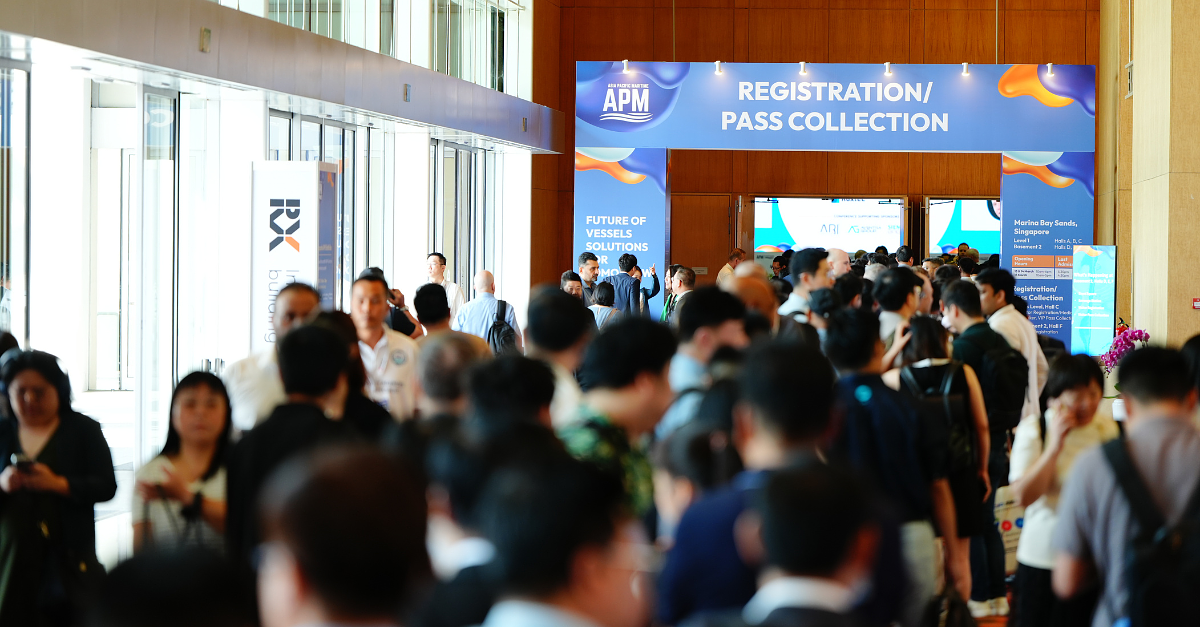
APM 2026: Charting a Green Course for Global Shipping's Future
SINGAPORE – January 26, 2026 – As the global maritime industry navigates its most profound transformation in a century, all eyes will turn to Singapore this March for the 19th edition of Asia Pacific Maritime (APM). Scheduled for March 25-27, 2026, at Marina Bay Sands, the event is set to be its largest to date, convening global leaders under the theme "Future of Vessels, Solutions for Tomorrow" to tackle the urgent challenge of decarbonization.
Organised by RX, APM 2026 promises a sold-out exhibition floor with over 700 exhibitors and 18 national pavilions, reflecting the immense momentum gathering behind the green shipping transition. With a welcome address from Ang Wee Keong, Chief Executive of the Maritime and Port Authority of Singapore (MPA), the event underscores the critical role Asia, and Singapore in particular, intends to play in steering the industry toward a sustainable horizon.
The Decarbonization Imperative
The timing of APM 2026 is no coincidence. The maritime sector, which accounts for nearly 3% of global carbon emissions, is under intense pressure to clean up its act. Ambitious targets set by the International Maritime Organization (IMO), including a 20-30% emissions reduction by 2030 and net-zero emissions by 2050, have created a powerful regulatory tailwind. Compounded by regional measures like the European Union's Emissions Trading System (ETS) now fully encompassing shipping, the era of compliance has firmly arrived.
However, the path forward is fraught with complexity. The transition is estimated to require staggering investments of between $1 trillion and $1.4 trillion by 2050. Industry leaders face a daunting landscape of regulatory uncertainty, fragmented global standards, and a significant cost-gap between conventional fossil fuels and their green alternatives. It is within this high-stakes environment that APM 2026 serves as a critical nexus, moving the conversation from abstract targets to tangible technologies and actionable strategies.
A Showcase of Tangible Solutions
Moving beyond pilot projects and theoretical discussions, the exhibition floor at APM 2026 will be a testament to real-world progress. The focus is squarely on practical solutions that can be deployed today and scaled for tomorrow, with a spotlight on electrification, alternative fuels, and the revival of wind power.
Electrification is gaining significant traction as an immediate pathway to emission reductions, especially for coastal and short-sea shipping. "Battery electrification will help ship owners and operators to immediately improve vessel efficiency and reduce fuel consumption and GHG emissions," stated Jan-Erik Räsänen, Chief Technology Officer at Foreship. He emphasized the need for future-proof designs that integrate battery systems from the new-build phase to create flexible, adaptable power plants. In a significant new initiative, APM will introduce the Electric & Hybrid Consultation Lounge, offering direct access to experts from organizations like the Maritime Battery Forum and the Zero Emissions Ship Technology Association (ZESTAs) to provide practical guidance on adoption.
Highlighting the viability of alternative fuels, industrial giant Weichai will commemorate a major milestone: the successful 1,000-hour sea trial of the President 100, a vessel powered entirely by 100% biodiesel (B100). This achievement, a collaboration with Pinnacle Marine and Prestige Ocean Pte Ltd, demonstrates that drop-in biofuels can serve as a powerful transitional tool, leveraging existing infrastructure while making immediate cuts to the carbon footprint. "APM is the largest meeting place in Asia and has played a pivotal role in accelerating our growth across the region," a Weichai spokesperson commented, noting their tenth appearance will feature their most ambitious showcase yet.
Simultaneously, one of history's oldest propulsion methods is making a high-tech comeback. Wind-assisted propulsion is re-emerging as a commercially mature solution. With nearly 90 vessels equipped with wind systems by the end of 2025 and another 130 reportedly under construction, the technology is proving its worth. Exhibitors like Norsepower Oy Ltd and Econowind BV will showcase cutting-edge rotor sails and suction wings that can deliver significant fuel savings, offering a free and inexhaustible energy source to supplement conventional power.
Singapore Steers the Regional Fleet
The choice of Singapore as the host for APM is deeply strategic. The city-state is aggressively positioning itself as a global hub for maritime innovation and green finance. The direct involvement of the MPA and its Chief Executive underscores a national commitment to not only participate in but lead the decarbonization dialogue. The event's keynote panel, "The Maritime State of Play & What's Next for Asia," will delve into how the region can drive the next wave of innovation and help set global standards.
This focus on regional leadership is crucial as the industry grapples with building the necessary infrastructure for new fuels and technologies. By fostering collaboration between shipowners, technology providers, financiers, and regulators, Singapore aims to create a robust ecosystem that can accelerate the energy transition across the vital Asia-Pacific trade routes.
From Ambition to Measurable Impact
Beyond the hardware, the APM 2026 conference will focus on turning momentum into measurable results. With nearly 100 global speakers, the agenda will tackle the critical software of the transition: finance, risk, insurance, cybersecurity, and the transformative power of digitalization.
As Joey Chua, Vice-Chair of the Digitalisation Committee at the Singapore Shipping Association (SSA), commented, digitalization is no longer just a tool for efficiency. "Leveraging digital tools becomes a key factor in capability-building, and for real progress to be made, adoption needs to happen across the maritime ecosystem," he said. Discussions will explore practical pathways for accelerating the adoption of digital tools for emissions tracking, vessel optimization, and regulatory compliance, which have become mission-critical for commercial viability.
The three-day conference is designed to bridge the gap between technological possibility and commercial reality. By bringing together diverse perspectives, from shipowners and port operators to financiers and policymakers, APM 2026 aims to foster the strategic partnerships and innovative thinking required to navigate the complexities of the maritime industry's green revolution. As vessels powered by new energies move from pilot stages to live deployment, the industry gathers in Singapore not just to see the future, but to actively build it.