
- Global HPP Food Market Growth: Projected to surge from USD 8 billion in 2024 to nearly USD 15 billion by 2032, with a CAGR of over 8%. - Consumer Demand for Clean-Label Products: 81% of shoppers consider clean-label food products important, and 78% are willing to pay more for natural claims. - Hiperbaric 525 System Capacity: Capable of processing over 7,000 pounds of product per hour, enhancing APC's production capacity.
Experts agree that APC's expansion of HPP capacity is a strategic response to the growing consumer demand for clean-label, safe, and fresh food products, positioning the company as a leader in the non-thermal food preservation market.
APC Expands HPP Capacity, Fueling America's Clean-Label Food Boom
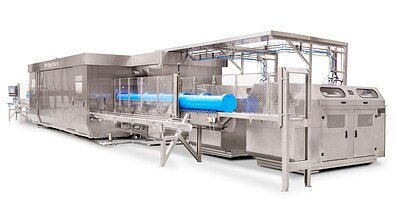
MILWAUKEE, WI – February 11, 2026 – American Pasteurization Company (APC), a pioneer in food safety technology, has announced a significant expansion of its Milwaukee facility with the installation of a new Hiperbaric 525 High Pressure Processing (HPP) system. This move is not merely a corporate upgrade; it represents a powerful response to a seismic shift in the American food landscape, where consumer demand for cleaner, fresher, and more natural products is reshaping the entire industry from farm to fork.
The investment directly addresses the escalating need for food and beverage brands to deliver products with extended shelf life and enhanced safety without resorting to traditional heat treatments or chemical preservatives. As shoppers increasingly scrutinize labels and reject artificial ingredients, technologies like HPP are moving from a niche advantage to a market necessity.
A Revolution Under Pressure
At the heart of this evolution is High Pressure Processing, a non-thermal preservation method that utilizes immense water pressure—equivalent to the pressure found at the bottom of the deepest ocean trenches—to safeguard food. Pre-packaged products are loaded into a large steel vessel, which is then filled with water and subjected to pressures up to 87,000 psi. This intense pressure inactivates harmful foodborne pathogens like Listeria, E. coli, and Salmonella, and spoilage microorganisms.
Unlike traditional pasteurization, which relies on heat that can degrade a product's flavor, texture, and nutritional value, HPP is a cold process. This fundamental difference allows foods and beverages to retain their fresh-from-the-source characteristics. For consumers, this means guacamole that tastes freshly made, cold-pressed juices that retain their vitamins, and deli meats that are safer without added nitrates. For manufacturers, it means achieving brand protection from costly recalls while delivering the premium quality that today's consumers expect.
The Clean-Label Mandate
The expansion in Milwaukee is a direct reflection of powerful market forces. The global HPP food market, valued at over USD 8 billion in 2024, is projected to surge to nearly USD 15 billion by 2032, growing at a compound annual growth rate (CAGR) of over 8%. This growth is overwhelmingly fueled by the clean-label movement.
Modern consumers are more informed and discerning than ever. Research shows that a staggering 81% of shoppers consider it important to purchase clean-label food products, and nearly three-quarters will reconsider a purchase based on the ingredient list. This isn't just a preference; it's a value proposition that consumers are willing to pay for, with 78% globally indicating they would spend more on products with natural claims. This trend is particularly potent in high-growth categories like ready-to-eat meals, plant-based proteins, baby food, and refrigerated beverages—all sectors where APC has seen sustained growth.
By extending the refrigerated shelf life of products, HPP not only ensures safety and freshness but also helps reduce food waste, a critical concern for both sustainability-minded consumers and cost-conscious producers. This allows brands to expand their geographic reach, moving from regional players to national distributors without compromising product integrity.
Unlocking Growth Through Tolling Services
While the benefits of HPP are clear, the capital investment required to purchase and operate the machinery can be prohibitive for many food and beverage companies. This is where APC's business model, known as HPP tolling, becomes a critical enabler of innovation. APC was the first company in the United States to offer commercial HPP tolling, a fee-for-service arrangement that provides brands of all sizes access to this transformative technology.
This model democratizes food safety and innovation, allowing startups and established brands alike to leverage HPP's advantages for scalability, market differentiation, and brand protection. The new Hiperbaric 525 in Milwaukee enhances this capability, increasing production capacity and improving scheduling flexibility for APC's diverse customer base.
"American Pasteurization Company pioneered commercial HPP tolling services in the United States, and they continue to set the standard for the industry," noted Rob Peregrina, Hiperbaric USA Director. "We're excited to support their expansion with the Hiperbaric 525, which will enhance APC's capacity to deliver the food safety, freshness and clean-label solutions that today's food brands demand."
The Engine of Innovation
The choice of the Hiperbaric 525 system was deliberate. With a 525-liter vessel, it is one of the most productive HPP systems in the world, capable of processing over 7,000 pounds of product per hour. This immense throughput is essential for meeting the demands of national brands. However, capacity was not the only factor. APC cited the machine's advanced operational design as a key differentiator.
"A significant factor in our decision to select the Hiperbaric 525 was its intuitive training portal, which supports consistent onboarding and skill development across systems, reducing training time and operator dependency," said Felipe Vasquez, Vice President of Operations and General Manager at APC. He highlighted the platform's operator-centric design, including automated process controls and simplified maintenance, which improve consistency and support reliable throughput with less operational effort.
The Milwaukee facility itself is a strategic asset, chosen for its high density of customer demand and logistical efficiencies. It functions as an integrated hub, offering not just HPP but also co-manufacturing, cold storage, packaging, and distribution support. This concept-to-shelf solution provides a seamless pathway for brands looking to bring safer, cleaner products to market at scale, solidifying the region's role as a center for advanced food manufacturing.
Ultimately, the installation of this new machine in Milwaukee is more than a local story; it is a tangible marker of a food industry in transformation. As technology and consumer preferences continue to converge, the pressure is on to deliver foods that are not only convenient and delicious but also transparent, safe, and authentically natural.