
- 1 in 5 women and 1 in 6 men experienced sexual violence in childhood (2024 data).
- The Transforming Trauma Together Festival runs May 11–13, 2026, in Toronto.
- The Gatehouse has supported survivors for over 27 years.
Experts agree that art and music are powerful tools for processing trauma, offering non-verbal pathways to healing and resilience when verbal expression is overwhelming.
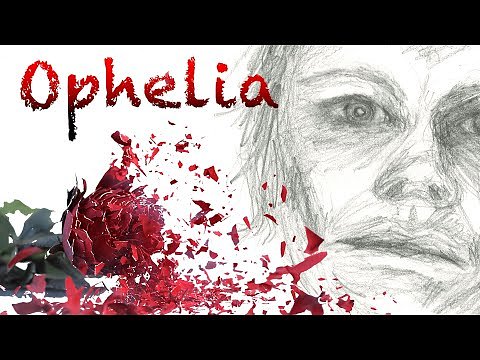
Andrea Skinner's 'Ophelia' Shatters the Silence on Childhood Trauma
TORONTO, ON – April 28, 2026 – In an act that transforms profound personal pain into a powerful public anthem, Andrea Robin Skinner, a survivor of childhood sexual abuse (CSA) and daughter of the late Nobel Prize-winning author Alice Munro, is set to release her song "Ophelia." The song will be a centerpiece of the upcoming Transforming Trauma Together Festival in Toronto on May 13, 2026, an event aimed at fostering healing and breaking the pervasive silence that so often surrounds abuse.
Co-written with musician Stephanie Martin, "Ophelia" is more than a song; it is a declaration. For Skinner, whose harrowing story of abuse first entered the public consciousness through a 2024 report in The Toronto Star, this artistic endeavor represents the culmination of a long journey toward healing and a determined effort to advocate for others. The festival, hosted by The Gatehouse, an organization that supports CSA survivors, provides a fitting stage for a song dedicated to disrupting patterns of violence through empathy and shared humanity.
A Voice Forged in Trauma
The roots of "Ophelia" lie deep in a painful history that Andrea Robin Skinner chose to reclaim. In 2024, she penned a courageous first-person essay for The Toronto Star, detailing the sexual abuse she endured from her stepfather, Gerald Fremlin, which began in 1976 when she was just nine years old. The disclosure sent ripples through Canada's literary and cultural landscape, not only for its raw honesty but for its exploration of the complex family dynamics involving her celebrated mother, Alice Munro.
Skinner revealed that upon telling her mother about the abuse in her 20s, Munro’s reaction was not one of immediate protection but of complicated loyalty to Fremlin, whom she had married after Skinner’s father died. This painful chapter led to a long period of estrangement. While Skinner eventually reconciled with her siblings, she and her mother never repaired their relationship before Munro’s death in May 2024. Fremlin pleaded guilty to indecent assault in 2005, receiving a suspended sentence.
Skinner has credited The Gatehouse, the very organization hosting the festival, with providing the community and peer support that helped her find her voice and begin to heal. Her public advocacy is, in her own words, an effort to give voice to other survivors and to present a more nuanced, human picture of her family's story, moving beyond simplified narratives of heroes and villains. By turning her personal narrative into a tool for change, Skinner steps out from the shadow of her famous lineage to forge her own legacy—one of resilience and advocacy.
Art as an Anthem for Healing
The creation of "Ophelia" marks a pivotal chapter in Skinner's advocacy. The song, a collaboration co-written by Skinner and Stephanie Martin and performed by Martin, channels the power of art to communicate what often remains unspoken. It was first performed in October 2025 and is now poised for a wider audience.
For Skinner, the turn to music is a deliberate choice, rooted in a deep-seated belief in art's restorative power. "I believe art has the power to disrupt patterns of violence, whether internalized or externalized," Skinner stated in the announcement, "by reminding us of our shared humanity and instinct to care for ourselves and others."
This philosophy aligns with a growing body of understanding in the fields of psychology and trauma therapy. Experts have long recognized that trauma can overwhelm the brain's capacity for verbal processing, leaving survivors struggling to articulate their experiences. Art and music provide a non-verbal language, a way to access, process, and externalize deep-seated emotions. This creative outlet can foster a sense of control, reduce stress, and build resilience, allowing survivors to reframe their stories from ones of victimhood to ones of survival and strength. The song, produced by David Krystal with a music video by Andrew Sabiston, is a multi-layered artistic project designed to reach listeners on an emotional level that statistics and reports alone cannot.
A Festival of Transformation
The debut of "Ophelia" at the Transforming Trauma Together Festival is deeply symbolic. The three-day event, held from May 11–13 at Humber College’s Lakeshore Campus, is The Gatehouse's first-ever festival of its kind. It is a free community gathering designed to bring together survivors, advocates, mental health professionals, and the public for healing, learning, and connection.
For over 27 years, The Gatehouse has been a vital resource in Toronto, offering peer support groups and trauma-informed programs. Its core belief is that healing happens in community, by creating safe spaces where survivors can share their experiences without judgment. The festival extends this mission, featuring panel discussions, creative workshops, and community conversations aimed at building resilience and promoting trauma-informed care.
Skinner's performance on the festival's final day is set to be a key moment, embodying the event's theme of using creative expression as a pathway to renewal. It situates her personal act of speaking out within a larger, supportive community, reinforcing the message that no survivor is alone.
Confronting a Global Public Health Crisis
While "Ophelia" is a deeply personal project, its message resonates with a global crisis. Studies from leading institutions like the Childlight Global Child Safety Institute and data from UNICEF and the World Health Organization paint a stark picture: childhood sexual abuse is a public health emergency. It is estimated that one in five women and one in six men experienced sexual violence in childhood, with over 130 million minors affected in 2024 alone.
The long-term consequences are devastating, leading to lifelong physical and mental health issues, including depression, anxiety, PTSD, and substance abuse. The trauma often perpetuates cycles of violence and is frequently hidden by a culture of shame and silence. Experts and international bodies have urged political leaders to address CSA with the urgency it demands.
In this context, Skinner's work becomes part of a multifaceted approach to tackling the crisis. It exemplifies the power of art to foster the deep empathy needed to drive social change. As acclaimed trauma expert Gabor Maté argues in his book The Myth of Normal, "If we are to dream of a healthier, less fractured world, we will have to harness and amplify compassion's healing power."
The impact of "Ophelia" is planned to extend far beyond the festival stage. The song is slated to be included in presentations on art and health by former senator and art historian Patricia Bovey, and will also be featured in a forthcoming documentary about Skinner’s life and her meetings with artists and activists across Canada. Through these efforts, Andrea Robin Skinner is ensuring her voice, and her song, continue to resonate, transforming a personal story into a lasting call for collective healing and change.