
- Strategic Partnership: Laozhongyi collaborates with CUBE Enterprise Digital Incubation & Equity Trading Platform to expand into Southeast Asia and the Middle East.
- Target Markets: Focus on regions with surging demand for natural medicines, including Malaysia, Singapore, Thailand, and GCC countries.
- Digital Innovation: CUBE's platform offers a one-stop service system covering brand incubation, cross-border compliance, and digital marketing.
Experts view this partnership as a groundbreaking model for TCM's global expansion, leveraging digital platforms to overcome regulatory and cultural barriers while preserving traditional authenticity.
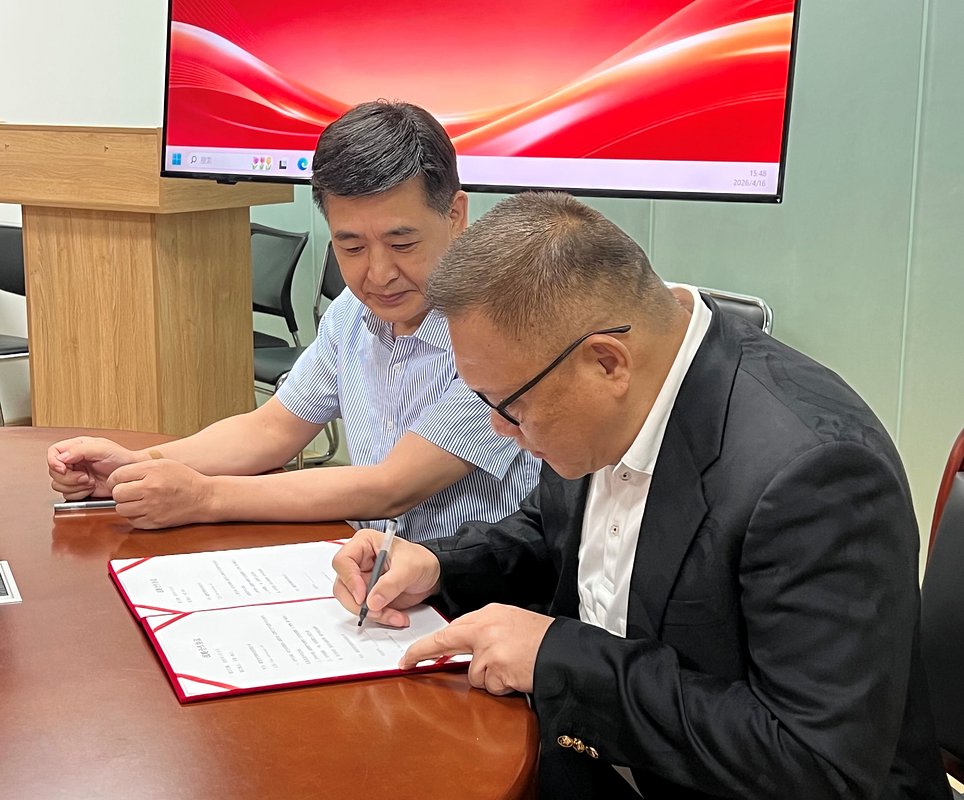
Ancient Medicine, Modern Strategy: Laozhongyi Taps Digital Platform
HAIKOU, China – April 21, 2026 – In a significant move blending ancient healing traditions with modern digital finance, Traditional Chinese Medicine (TCM) brand Laozhongyi has forged a strategic partnership with the CUBE Enterprise Digital Incubation & Equity Trading Platform. The agreement, signed this week in Haikou, aims to propel the Sinopharm Hanfang-backed brand into the burgeoning natural health markets of Southeast Asia and the Middle East.
The collaboration marks a pivotal attempt to solve a long-standing challenge for TCM: how to effectively expand beyond China's borders while navigating complex regulatory environments and building brand trust in diverse cultural settings. By leveraging CUBE's digital infrastructure, Laozhongyi is betting on a new model for global expansion, one that prioritizes digital integration from the very start.
The Digital Bridge for Ancient Remedies
At the heart of this partnership is the CUBE platform, an entity specializing in what it calls "digital empowerment" for traditional enterprises. During the signing ceremony, CUBE outlined its vision in a keynote titled, “How Digitalization Enables TCM Brands to Go Global Efficiently.” The presentation detailed a strategy that moves beyond simple exporting, focusing instead on a comprehensive ecosystem of brand incubation, cross-border compliance, and targeted digital marketing.
The platform promises to provide a one-stop service system covering everything from the confirmation of brand rights to overseas distribution. A key, and particularly modern, component of this system is "digital equity trading." While specifics on the mechanism remain proprietary, the concept aligns with broader trends in financial technology where digital platforms are used to streamline investment, enhance transparency, and provide liquidity for brand development projects. This approach could allow for more agile and fractional investment in Laozhongyi's international ventures, potentially attracting a wider range of partners and stakeholders directly invested in the brand's success in specific regions.
This digital-first model is designed to systematically lower the formidable barriers to entry that have often hindered TCM's global reach. By handling the intricate web of cross-border compliance and building brand narratives through digital marketing, the CUBE platform aims to create a streamlined pathway for traditional products to enter modern, competitive markets.
Targeting New Horizons: Southeast Asia and the Middle East
The choice of Southeast Asia and the Middle East as initial target markets is a calculated one, tapping into a powerful global trend. Both regions are experiencing a significant surge in consumer demand for natural, botanical, and traditional medicines. A growing middle class, increased health consciousness, and a cultural openness to holistic wellness have created a fertile ground for products perceived as natural and safe.
However, this opportunity is paired with substantial challenges. The press release acknowledges that "brand awareness and localized operations remain major challenges." In Southeast Asia, countries like Malaysia, Singapore, and Thailand have their own deeply rooted traditional medicine systems and robust local brands. Furthermore, each nation operates under a unique and often strict regulatory framework governed by bodies like Malaysia's National Pharmaceutical Regulatory Agency (NPRA) or Singapore's Health Sciences Authority (HSA), which scrutinize everything from ingredient lists to health claims.
The Middle East presents a similar dynamic. While there is a growing appetite for natural health solutions in Gulf Cooperation Council (GCC) countries, the regulatory environment, overseen by authorities like the UAE's Ministry of Health and Prevention (MOHAP) and the Saudi Food and Drug Authority (SFDA), is equally stringent. Success in this region requires not only regulatory approval but also deep cultural sensitivity, including adherence to Halal standards where applicable and marketing that resonates with local values. The competitive landscape is crowded, featuring established Western supplement brands, regional herbal products, and a growing number of international players.
A Tailored Approach to Global Health
Recognizing that a one-size-fits-all approach is doomed to fail, Laozhongyi has developed a multi-faceted strategy for localization. The brand, which benefits from the considerable resources and reputation of its parent company, Sinopharm Hanfang, unveiled a product strategy that goes far beyond simple translation.
Key pillars of its plan include significant dosage form improvements, suggesting a move towards more convenient and modern formats like capsules, tinctures, or effervescent tablets, which may be more palatable to new consumers than traditional decoctions. This is coupled with a focus on localized packaging and channel strategies, ensuring that products not only comply with local labeling laws in multiple languages but also appeal aesthetically and are available through relevant retail and e-commerce channels.
Perhaps most critically, the strategy includes comprehensive cultural adaptation plans. This indicates an understanding that marketing a health product is not just about selling an item, but about communicating a philosophy of wellness in a way that is respectful and relevant to the target culture. This tailored approach is designed to build the brand awareness and trust that are essential for long-term success. By directly addressing the specific needs and regulatory realities of each market, Laozhongyi aims to differentiate itself from competitors who may simply be exporting a generic product.
A New Blueprint for TCM's Global Future?
This partnership between Laozhongyi and CUBE is being positioned as more than just a single business deal; it is being presented as a potential blueprint for the entire Traditional Chinese Medicine industry. Cube Technology Ltd stated that this signing represents an "important practice in the digital overseas expansion of TCM brands," and explicitly noted that "the model will be replicated to help more TCM brands reach global markets."
This vision represents a paradigm shift. For decades, the internationalization of TCM has been a slow, arduous process, often reliant on traditional distribution networks and struggling with issues of standardization, scientific validation, and brand recognition. The Laozhongyi-CUBE model suggests a future where digital platforms act as accelerators, combining the authenticity of ancient traditions with the efficiency and reach of modern technology and finance.
By integrating brand incubation, digital marketing, and sophisticated compliance management into a single, cohesive strategy, this collaboration could pave the way for a new "Digital Silk Road" for traditional health products. If successful, it may prove that the key to unlocking the global potential of ancient medicine lies in embracing the most innovative tools of the 21st century.