
- $300 million: Annual losses to the U.S. cattle industry from anaplasmosis
- $600–$800 per animal: Average cost of a single clinical case
- 3.6% reduction in calf crop and 30% increase in cull rate during outbreaks
Experts emphasize early vaccination and comprehensive biosecurity measures as critical to managing anaplasmosis, though no single solution can fully eliminate the disease's economic and health impacts.
Anaplasmosis Surge: Early Vaccination Urged to Protect Cattle Profits
BATON ROUGE, LA – February 04, 2026 – As the weather warms and spring approaches, a familiar and costly threat is re-emerging for the nation's cattle industry. With tick populations set to surge, animal health experts are issuing a stark warning about the rising risk of bovine anaplasmosis, a tick-borne disease that quietly drains profits and devastates herds. In response, Louisiana-based University Products is urging veterinarians to prioritize early vaccination as a critical defense against the disease's significant economic and health impacts.
Anaplasmosis, caused by the bacterium Anaplasma marginale, attacks the red blood cells of cattle, leading to severe anemia, fever, weight loss, reduced milk production, and in many cases, death. The call for proactive measures comes as the disease becomes more prevalent across the southern, midwestern, and western United States, turning a regional issue into a national concern for both beef and dairy producers.
The Crippling Economic Toll of a Tiny Parasite
The financial burden of bovine anaplasmosis on the U.S. cattle industry is staggering, with annual losses estimated at around $300 million. For individual ranchers, the cost of a single clinical case can be devastating, with recent analyses placing the average expense between $600 and $800 per animal when accounting for treatment, lost production, and potential death.
Research indicates that death loss is the largest contributor, accounting for over half of the total economic damage. However, the costs extend far beyond mortality. Infected cows that survive often become chronic carriers, suffering from persistent weight loss and reduced fertility. Studies have shown that an outbreak can lead to a 3.6% reduction in a herd's calf crop and a 30% increase in the cull rate. In the dairy sector, the drop in milk production from anemic cows directly impacts revenue, compounding the financial strain.
Disease severity escalates dramatically with age. While calves under a year old may show few to no signs, older, immunologically naive cattle face a much higher risk of severe, often fatal, outcomes. This makes the introduction of infected but asymptomatic animals into a clean herd a particularly dangerous scenario, capable of triggering a widespread and costly outbreak.
A Growing Threat and a Preventative Strategy
The primary vectors for anaplasmosis are ticks, but the disease can also be transmitted by biting flies and through contaminated equipment like needles or dehorning tools. This multi-faceted transmission risk makes control challenging. Herd-level prevalence can be alarmingly high; a study in Kansas found that over half of all cow-calf herds were positive for the disease, with prevalence in the eastern part of the state reaching nearly 90%.
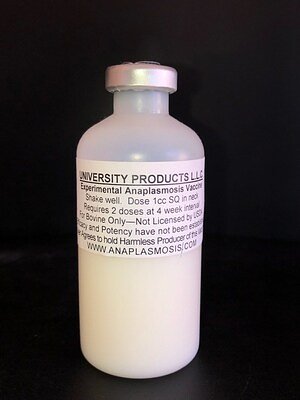
In this high-risk environment, preventative health strategies are paramount. University Products is highlighting its anaplasmosis vaccine as a cornerstone of spring herd health protocols. "Spring is a critical time for preventive care in livestock management," said Dr. Ashlanne Luther, a veterinarian and technical advisor for the company. "Our Anaplasmosis vaccine is designed to provide strong immune protection, helping reduce disease severity and support overall herd health. We strongly encourage veterinarians to include this vaccination as part of their spring herd health protocols."
The recommended protocol involves a two-dose primary series for first-time recipients, with the second shot administered four weeks after the first. Protective immunity typically develops within seven to ten days following the second dose, creating a crucial shield before the peak of tick season. After the initial series, a single annual booster is recommended to maintain protection.
Navigating a Complex Prevention Landscape
While vaccination is a powerful tool, veterinarians emphasize that it is part of a broader, comprehensive strategy. The market for anaplasmosis vaccines is notably specialized, lacking the wide array of options available for other bovine diseases. This scarcity underscores the ongoing need for effective solutions, with institutions like the University of Missouri actively researching next-generation vaccines to fill the gap.
In the absence of widespread vaccine options, producers have relied on a combination of methods. Aggressive tick and fly control, including the use of insecticide ear tags and careful pasture management, is essential to reduce exposure. Strict biosecurity measures, such as testing and quarantining new animals before introducing them to the herd, are also critical to prevent bringing the disease onto a property.
The complexity of managing anaplasmosis is highlighted by field research. One Kansas study observed that vaccinated herds were paradoxically more likely to test positive for the disease. Experts suggest this is not an indictment of vaccine efficacy but rather a correlation: producers in high-risk, endemic areas are more likely to vaccinate their herds in the first place. This finding reinforces the idea that vaccination is a key tool for managing disease in high-pressure situations, not a silver bullet that replaces other control measures.
A Specialized Focus in Animal Health
The challenge of anaplasmosis has created an opportunity for specialized companies like University Products. The firm has carved out a niche by focusing its research and development on specific, high-impact diseases like Anaplasmosis, Babesia, and Theileria. By concentrating on these complex, tick-borne pathogens, the company aims to provide solutions where they are most needed.
Beyond the vaccine itself, the Baton Rouge-based firm provides extensive resources to help veterinarians and producers implement effective control programs. This support includes detailed product literature, recommended vaccination schedules, and access to expert technical advice. "We are committed to supporting veterinarians with products that meet the highest standards of quality and performance," Luther stated.
This holistic approach—combining a proven biologic with educational support—is vital for empowering animal health professionals on the front lines. As the geographic range of ticks expands and disease pressure mounts, the collaboration between producers, veterinarians, and specialized health companies will be more important than ever. Proactive planning and timely intervention remain the most effective strategies to protect both animal welfare and the economic sustainability of livestock operations nationwide.