
- Mission Timeline: Artemis II is scheduled for launch no earlier than April 2026, with a 10-day flight around the Moon.
- Workforce Involvement: Amentum mobilized over 300 personnel to support the Countdown Demonstration Test (CDDT).
- Industry Synergy: Amentum's upcoming merger with Jacobs will create a company with a combined backlog of over $47 billion.
Experts agree that the successful CDDT is a critical milestone in validating ground systems for Artemis II, demonstrating the essential role of private contractors like Amentum in NASA's deep space exploration efforts.
Amentum's Groundwork Clears Path for Artemis II Moon Mission
CHANTILLY, VA – December 29, 2025 – As NASA prepares to send astronauts on a journey around the Moon for the first time in over 50 years, a crucial dress rehearsal at Kennedy Space Center has successfully concluded, thanks to the intricate, behind-the-scenes work of engineering giant Amentum. The successful Countdown Demonstration Test (CDDT) on December 20 was a full-scale simulation of launch day, rigorously testing the ground systems that will propel the Artemis II mission into deep space.
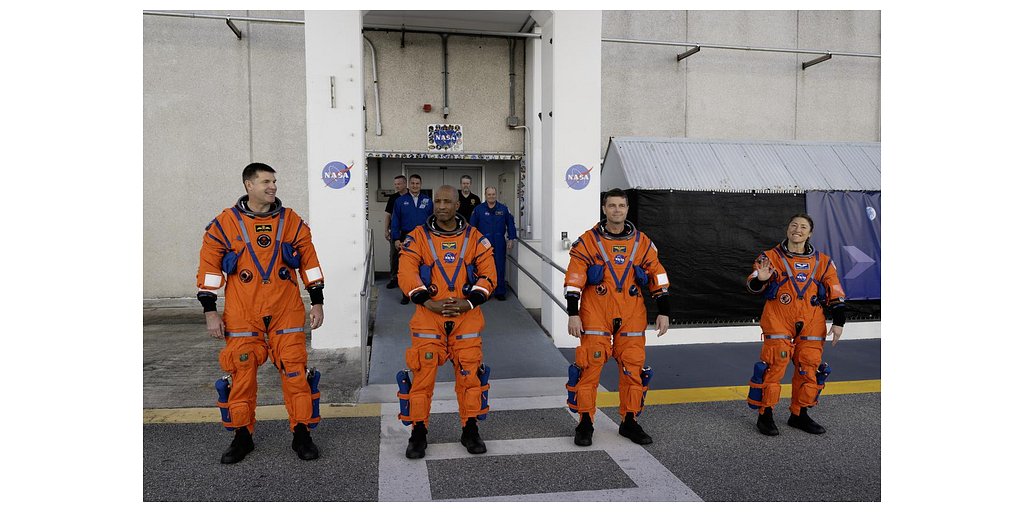
The Artemis II mission, slated for launch no earlier than April 2026, will see NASA astronauts Reid Wiseman, Victor Glover, Christina Koch, and Canadian Space Agency astronaut Jeremy Hansen embark on a 10-day flight aboard the Orion spacecraft. Propelled by the powerful Space Launch System (SLS) rocket, they will fly further from Earth than any human has before, validating the spacecraft's systems in preparation for future lunar landings. But before the crew can take that historic flight, every system on the ground must be proven flawless. This recent test was a major milestone in that verification process.
The Unsung Heroes of the Launchpad
While the towering SLS rocket and sleek Orion capsule capture the public's imagination, the success of any space mission rests on a complex web of ground-based infrastructure and the expertise of thousands of engineers and technicians. Amentum, a key contractor for NASA’s Exploration Ground Systems (EGS) program, played a pivotal role in the recent CDDT, demonstrating the critical nature of this often-unseen work.
The company mobilized over 300 personnel to support the exhaustive test. Their responsibilities included everything from configuring the crew module for its full vehicle power-up to providing field support across the launch complex. This effort is a modern echo of the historic countdown tests from the Apollo era, which were essential for uncovering and resolving issues before astronauts boarded their Saturn V rockets. Like its predecessors, the Artemis II CDDT involved a meticulous, step-by-step run-through of the entire launch countdown sequence, a process designed to stress-test both hardware and human teams.
Key Amentum personnel assumed critical roles inside the heart of NASA’s Launch Control Center—the Firing Room. From these consoles, engineers conducted pre-launch checks, monitored a torrent of real-time data from the rocket and spacecraft, and issued commands. Their work was enabled by the Launch Control System (LCS), the complex software backbone of the entire operation, which Amentum also supports. The LCS processes vast amounts of data, enabling remote command and control while ensuring every action is recorded for post-test analysis. This digital nervous system is indispensable for ensuring safe and efficient operations during the high-stakes final hours before liftoff.
“As the first crewed mission on NASA's path to establishing a long-term presence on the Moon, Artemis II represents a groundbreaking step in human space exploration,” said Mark Walter, Amentum’s president of Engineering & Technology, in a statement following the test. “The successful execution of the Countdown Demonstration Test highlights the depth and breadth of Amentum’s capabilities, including launch vehicle integration, spacecraft processing, and ground systems engineering.”
A New Era of Public-Private Partnership
The Artemis program represents a fundamental shift in how NASA executes its most ambitious goals, moving towards a model deeply reliant on specialized private industry partners. While NASA sets the grand vision and oversees the missions, companies like Amentum provide the focused expertise and workforce required to manage the intricate technical details of spaceflight operations.
Amentum's role in modernizing ground equipment and integrating the launch vehicles is part of a larger ecosystem of contractors. Lockheed Martin is the prime contractor for the Orion spacecraft, while Boeing is a prime contractor for the SLS rocket core stage. Northrop Grumman supplies the solid rocket boosters. Within this framework, Amentum has carved out a crucial niche in managing the vast ground systems at Kennedy Space Center, a role that makes it one of NASA's largest services contractors.
This collaborative model allows NASA to leverage the innovation and efficiency of the commercial sector, accelerating timelines and distributing the immense workload of deep space exploration. The trend is also reflected in the broader aerospace and defense industry, where consolidation and specialization are key. Amentum itself is poised to merge with the Critical Mission Solutions and Cyber and Intelligence businesses of competitor Jacobs, a move that will create an industry titan with a combined backlog of over $47 billion and further deepen its capabilities in supporting complex government projects. This synergy highlights a strategic alignment where private companies are not just suppliers, but integral partners in achieving national space objectives.
Building a Foundation for a Lunar Future
The successful CDDT is more than just a box-ticking exercise for a single mission; it is a foundational step in humanity’s long-term plan to return to the Moon and venture beyond. Artemis II is designed to prove the systems that will be used in Artemis III, the mission slated to land the first woman and first person of color on the lunar surface. Every piece of data gathered and every procedure validated during the ground rehearsal builds confidence for that future landing and the missions that will follow.
The work being done by Amentum and its partners is about creating a reusable, sustainable infrastructure for space exploration. This extends beyond the Artemis program. The company also holds a significant 10-year contract with the U.S. Space Force to modernize launch ranges, developing next-generation spaceports that can handle an increasing cadence of both government and commercial launches. This broader portfolio demonstrates a strategic focus on building the foundational "roads and bridges" for the burgeoning space economy.
By successfully managing the complex interplay of software, hardware, and human operators required for the Artemis II launch simulation, Amentum is helping to perfect the operational blueprint for all future SLS and Orion missions. The lessons learned from this test will inform procedures for Artemis III's lunar landing, the construction of the Lunar Gateway space station, and ultimately, the ambitious goal of sending humans to Mars. The meticulous, earthbound preparations of today are what will make humanity's next giant leaps possible.
The road to the Moon is paved with countless hours of testing, simulation, and painstaking engineering. With the successful completion of this critical countdown demonstration, NASA and its partners are one significant step closer to launching a new generation of explorers on their historic journey into the cosmos.