
- 75% of patients regain two-thirds of their lost weight within a year of stopping semaglutide injections (per landmark trial).
- The anti-obesity drug market is projected to surpass $100 billion by 2030 (analysts).
- GLP-1 therapies suppress appetite but do not address underlying behaviors or psychological triggers.
Experts agree that while GLP-1 medications are effective for weight loss, long-term success requires complementary habit coaching to sustain results and prevent rebound weight gain.
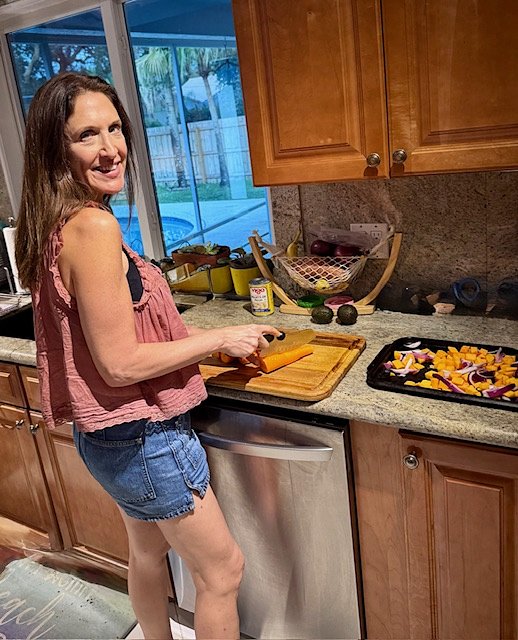
Beyond the Shot: Why Habit Coaching Is the Next Wave in Weight Loss
BOCA RATON, FL – January 05, 2026 – The rise of GLP-1 agonist medications like Ozempic, Wegovy, and Zepbound has transformed the landscape of weight management, offering unprecedented results for millions. Yet, as the initial euphoria settles, a critical question emerges: What happens after the medication? A growing body of evidence and a new wave of wellness services suggest that the prescription is just the beginning of the journey, not the final destination.
In response to this emerging need, local wellness company Natural Weight Loss Florida has launched a personalized support service aimed at clients using these powerful medications. The program, developed by founder Beth Meirav, is designed to build the sustainable, real-world habits that medication alone cannot teach, addressing a crucial gap for individuals seeking lasting health.
The Sustainability Gap in Modern Weight Loss
While GLP-1 therapies are highly effective at suppressing appetite and driving significant weight loss, their limitations are becoming increasingly clear. Medical experts and numerous studies highlight a significant challenge: weight regain upon discontinuation. Recent analyses, including a comprehensive review from the University of Oxford, indicate that many patients regain a substantial portion, if not all, of their lost weight within one to two years of stopping treatment. One landmark trial found that participants regained two-thirds of their lost weight just a year after ceasing semaglutide injections.
This rebound effect underscores a fundamental truth: the drugs manage the biological symptoms of hunger but do not rewire the underlying behaviors, psychological triggers, and lifestyle patterns that contribute to weight gain. Emotional eating, navigating social situations, and understanding how to properly nourish oneself are skills that a weekly injection does not impart.
“Weight-loss medications can be incredibly helpful,” says Meirav, a Boca Raton-based wellness practitioner. “But they don’t teach you how to live in your body day to day. My work helps clients build the habits and self-trust that allow medication to support their journey rather than define it.”
This sentiment is echoed across the healthcare community. Obesity is increasingly understood as a chronic disease that often requires chronic treatment. If medication is paused or stopped, the biological drivers of weight gain return. The only defense against this rebound is a robust foundation of learned, practiced, and internalized healthy habits.
A New Market for Habit-Based Support
The explosive growth of the anti-obesity drug market, which some analysts project could surpass $100 billion by 2030, has created a parallel and rapidly expanding industry for complementary support services. Natural Weight Loss Florida is part of a larger trend of businesses recognizing that the millions of new medication users represent a population with a unique set of needs.
This new ecosystem includes major telehealth players like Noom and Omada Health, which are integrating GLP-1 prescriptions with their established psychology-based digital coaching platforms. Even legacy brands like Weight Watchers (WW) have pivoted to include a clinical arm, offering access to medications paired with their famous behavioral support programs. On a local level, medical clinics and anti-aging centers across Florida and the nation are bundling GLP-1 prescriptions with nutrition counseling and lifestyle guidance.
What these diverse offerings have in common is a shared philosophy: medication and behavioral change are not mutually exclusive but are, in fact, synergistic. This integrated model aims to give patients the best of both worlds—the powerful metabolic assist from the medication and the lifelong skills from coaching. The goal is to use the period of reduced appetite and cravings as a unique window of opportunity to build a new lifestyle foundation without the constant biological “noise” of intense hunger.
Building Trust Beyond the Prescription
Beyond the physical aspects of nutrition and exercise, a significant component of this new approach is psychological. Many individuals who have struggled with weight for years develop a deep-seated mistrust of their own body’s signals and their ability to make healthy choices. While medication can quiet the physical cravings, it doesn't automatically erase the fear and anxiety surrounding food and self-control.
This is where personalized coaching becomes critical. The new program from Natural Weight Loss Florida, which offers one-on-one support, focuses heavily on rebuilding this internal confidence. The service is designed for those currently on medication who want to maximize their results, as well as those planning a thoughtful transition off the drugs.
“I often hear clients say they’re afraid to stop medication because they don’t trust themselves yet,” Meirav shares. “This program is about rebuilding that trust step by step, so they feel capable, informed, and empowered.”
By addressing emotional eating triggers, providing strategies for social dining, and creating structured-yet-flexible meal plans, coaches help clients prove to themselves that they can navigate life’s challenges without relying solely on pharmacological intervention. This empowerment is central to preventing the sense of panic and helplessness that can accompany the prospect of discontinuing a successful medication.
The Integrated Approach in Practice
The services being offered by Natural Weight Loss Florida and its competitors are not meant to replace medical care but to complement it. Clients continue to receive their prescriptions and medical supervision from their physicians. The coaching layer adds the behavioral and lifestyle support that doctors often don't have the time or specific training to provide.
A typical program focuses on several key pillars: mindful eating patterns, recognizing true hunger and fullness cues (which can be muted by medication), strategic food timing, stress management techniques, improving sleep quality, and building consistent daily routines. The approach is highly individualized, tailored to a client’s specific schedule, food preferences, and personal challenges.
This holistic strategy recognizes that factors like stress and poor sleep can drive weight gain independently of diet, and that managing them is crucial for long-term well-being. As the conversation around weight management evolves, it is becoming clearer that the most durable solutions are not found in a single product, but in a comprehensive toolkit of strategies.
“This isn’t about for or against medication,” says Meirav. “It’s about giving people tools they can rely on now and in the future.” This philosophy captures the essence of the emerging paradigm, positioning medication as a powerful catalyst for change, while empowering the individual to be the long-term agent of their own health and well-being.