
- $23 billion: Amcor's market value, partnering with Kelpi for seaweed-based packaging innovation.
- 2025 deadline: Amcor aims to make all its packaging recyclable, reusable, or compostable by this year.
- £3 million: Recent seed funding for Kelpi to scale its seaweed coating technology.
Experts would likely conclude that Amcor's partnership with Kelpi represents a strategic and scientifically sound effort to address the packaging industry's sustainability challenges, though scalability and regulatory hurdles remain critical factors in its success.
Amcor Bets on Seaweed to Reinvent Sustainable Packaging
ZURICH, SWITZERLAND – June 29, 2026 – In a move that signals a significant shift in the future of consumer packaging, global leader Amcor today announced a strategic collaboration with U.K. startup Kelpi. The partnership aims to commercialize a novel, seaweed-based coating for fiber packaging, potentially offering a fully biodegradable and recyclable alternative to the plastic barriers that currently line everything from coffee bags to snack wrappers.
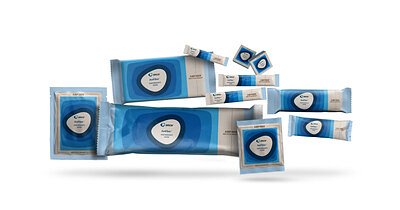
This collaboration brings together a $23 billion manufacturing powerhouse with a nimble innovator at the forefront of biomaterials. Amcor, with its vast global reach and R&D capabilities, is looking to integrate Kelpi's proprietary technology into its AmFiber™ platform, a portfolio dedicated to developing high-performance, paper-based packaging solutions. The goal is to tackle one of the industry's most persistent challenges: creating sustainable packaging that doesn't compromise on protecting the product within.
A Strategic Play Beyond Greenwashing
For Amcor, this partnership is far more than a public relations exercise; it's a calculated move embedded in a broader corporate strategy. The company is racing against a self-imposed 2025 deadline to make all its packaging recyclable, reusable, or compostable. With increasing regulatory pressure and consumer demand for plastic-free alternatives, innovating within its fiber-based offerings is not just an option, but a strategic necessity.
The AmFiber™ platform represents the company's primary vehicle for this transition. By exploring breakthrough bio-based coatings, Amcor aims to expand the platform's capabilities to meet demanding applications that require robust barriers against moisture and oxygen, all while running efficiently on high-speed production lines. The collaboration with Kelpi is a prime example of Amcor's open innovation model, which seeks to leverage external expertise to accelerate its internal development pipeline.
"Partnering with companies like Kelpi is a key part of how we bring new technologies into our innovation ecosystem," said Frank Lehmann, Vice President of Corporate Venturing and Open Innovation at Amcor. "Its innovative approach to leveraging nature-sourced materials that won't compromise packaging performance is promising, and we're excited to explore opportunities to scale the technology within our global packaging portfolio."
This approach allows the packaging giant to de-risk innovation, tapping into the agility of startups while providing the scale and market access needed to bring new materials to a global audience. It’s a symbiotic relationship designed to keep Amcor ahead in a fiercely competitive market where rivals like Mondi and DS Smith are also investing heavily in their own "sustainable by design" solutions.
The Science of a Sea-Sourced Solution
At the heart of this partnership is Kelpi's unique technology, which harnesses the natural properties of seaweed. Unlike land-based crops, seaweed is a highly renewable resource that grows rapidly in marine environments without the need for fresh water, fertilizer, or soil. This dramatically reduces its environmental footprint compared to many other bio-based feedstocks.
Kelpi processes this raw material into a proprietary bio-based coating designed to deliver exceptional barrier performance. Amcor's research and development teams are currently evaluating the technology for its ability to block gas and moisture—critical for extending the shelf life of food products—while also ensuring it is compatible with existing paper recycling streams.
"We're excited by the potential of Kelpi's technology, which combines processability, gas and moisture barrier performance, and paper recyclability," noted Peter Ettridge, Director of Research and Development for AmFiber™ at Amcor. This collaboration, he added, directly supports the Ellen MacArthur Foundation's call for accelerated innovation in paper-based flexible packaging to combat plastic pollution.
The potential benefits are twofold. First, it reduces the industry's reliance on fossil fuel-derived feedstocks for barrier coatings. Second, and perhaps more importantly, it offers a credible end-of-life solution. Kelpi's material is designed not only to be repulpable in standard paper recycling facilities but also to be home-compostable, a gold standard that few materials achieve.
From Lab to Lunchbox: The Path to Commercial Scale
While the promise of seaweed-based packaging is immense, the journey from a promising lab sample to a commercially viable product on supermarket shelves is fraught with challenges. The first hurdle is scalability. Kelpi, backed by a recent £3 million seed round, must prove it can produce its coating consistently and in the vast quantities required to supply a global player like Amcor.
Furthermore, a sustainable and resilient supply chain for seaweed must be established. While seaweed farming is a growing industry, ensuring it can meet industrial demand without disrupting marine ecosystems is a critical component of the long-term vision.
Performance on the factory floor is another key test. The new coating must be able to run on Amcor's existing high-speed packaging lines without causing delays or requiring costly modifications. "Innovation is one thing, but integration is another," commented one industry analyst. "The material has to perform flawlessly at industrial speeds to be cost-effective. That’s where many novel materials fail."
Finally, the new packaging must navigate a complex web of regulatory approvals for food contact materials in markets across the globe. By combining Kelpi's specialized knowledge with Amcor's extensive experience in regulatory compliance and global operations, the partners aim to streamline this process and accelerate market entry. The collaboration will evaluate commercially viable solutions for customers across various consumer goods sectors, from food and beverage to health and wellness. This strategic alignment of strengths is precisely what may allow this particular innovation to succeed where others have stalled, potentially reshaping the packaging landscape for years to come.