
- $0.17 per unit: New 3.5% fuel and logistics surcharge added in April 2026, more than double the base fee increase. - 181 days: Surcharges for aged inventory now begin 90 days earlier than in 2025. - 40%: Mid-market e-commerce merchants already using a hybrid fulfillment model.
Experts agree that Amazon's 2026 FBA fee increases are pushing e-commerce brands toward hybrid fulfillment models, combining FBA for high-volume products with 3PLs for cost control, flexibility, and supply chain resilience.
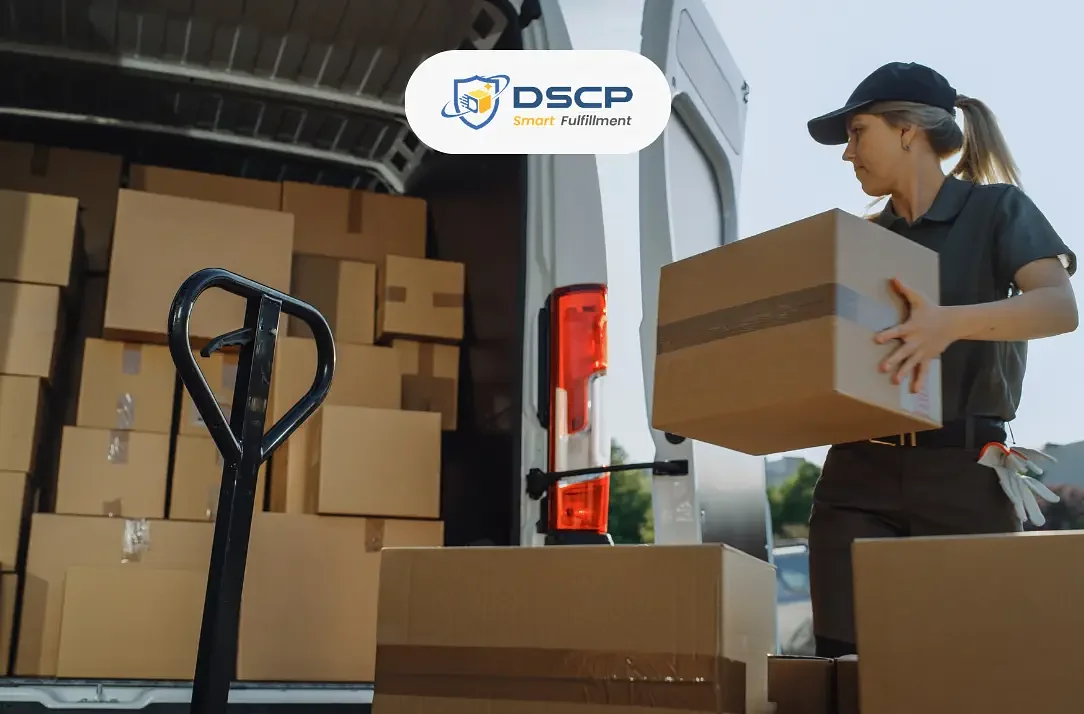
Amazon's Rising FBA Fees Spark a Hybrid Fulfillment Revolution
LOS ANGELES, CA – April 29, 2026 – A strategic exodus is quietly reshaping the e-commerce landscape. For years, Fulfillment by Amazon (FBA) was the undisputed king of logistics for online sellers, offering unparalleled reach and speed. But a series of increasingly complex and costly fee adjustments in 2026 is pushing brands to a critical tipping point, forcing a widespread re-evaluation of their dependency on the retail giant and fueling a surge toward more flexible, hybrid fulfillment strategies.
Third-party logistics (3PL) providers are reporting a significant uptick in inquiries from brands seeking to diversify their supply chains. One such company, DSCP Smart Fulfillment, has expanded its services to meet this growing demand, positioning its dual-coast warehouse network as a key alternative for sellers feeling the squeeze.
"The 2026 FBA fee increases represent a critical inflection point for e-commerce brands," said Elaine Shan, CEO of DSCP Smart Fulfillment, in a recent announcement. "Brands that were comfortable with single-channel fulfillment are now actively seeking partners who can handle the complexity of hybrid operations while maintaining the speed and accuracy their customers expect."
The True Cost of FBA in 2026
While Amazon announced an average fulfillment fee increase of just $0.08 per unit for 2026, industry analysts and sellers report that this single figure masks a far more intricate and costly reality. The true financial pressure comes from a combination of new surcharges and stricter inventory penalties designed to optimize Amazon's own network, often at the seller's expense.
A new 3.5% fuel and logistics-related surcharge, implemented in April, adds an average of $0.17 per unit, more than double the base fee increase. More punishing, however, are the new penalties for aged inventory. Surcharges now begin just 181 days after inventory arrives—90 days earlier than in 2025—and fees have doubled for items stored for over a year. This forces sellers of seasonal or slower-moving products to either absorb significant costs or risk stockouts.
Furthermore, Amazon's Inbound Placement Service fees, which charge sellers for sending inventory to a single receiving center, add another layer of cost and complexity. Sellers can only avoid these fees by agreeing to split shipments to multiple Amazon warehouses across the country, a logistical and financial burden for many small to medium-sized businesses. These changes, coupled with increased fees for inbound defects, are compelling brands to look for more predictable and cost-effective solutions for at least a portion of their inventory.
The Rise of the Hybrid Model
In response, a growing number of merchants are adopting a hybrid fulfillment model. This strategy typically involves using FBA for fast-moving, high-volume products sold on Amazon to maintain Prime eligibility, while partnering with a 3PL for direct-to-consumer (DTC) sales, wholesale orders, and slower-moving or oversized inventory. According to a report by Digital Applied, this trend is already well-established, with 40 percent of mid-market e-commerce merchants now using a hybrid approach.
The motivations extend beyond simple cost savings. By diversifying, brands regain control over their customer experience, from custom packaging and branding inserts—often restricted by FBA—to more flexible returns management. It also builds supply chain resilience. Relying on a single fulfillment channel leaves businesses vulnerable to a single point of failure, whether from policy changes, warehouse disruptions, or unexpected fee hikes. A multi-channel strategy mitigates this risk, ensuring that a problem in one channel does not bring the entire operation to a halt.
This approach allows businesses to strategically place inventory closer to their customer concentrations, potentially reducing shipping times and costs for orders outside the Amazon ecosystem. For many, it represents a strategic evolution from being an Amazon seller to becoming a multi-channel brand.
3PLs Step In to Fill the Gap
The industry's shift has created a significant opportunity for 3PL providers equipped to handle the complexities of modern e-commerce. Companies like DSCP Smart Fulfillment are tailoring their offerings to serve this new market. By operating warehouses on both coasts—in Los Angeles, California, and New Brunswick, New Jersey—the company enables clients to achieve two to four-day nationwide delivery, meeting consumer expectations set by Amazon Prime.
In a market where FBA's fee structure is often criticized for its lack of transparency, many 3PLs are competing on clarity. DSCP, for example, emphasizes a usage-based pricing model with no hidden fees, allowing brands to accurately forecast their fulfillment costs. This predictability is invaluable for businesses managing tight margins. The service model also includes dedicated account managers, providing a level of personalized support that contrasts with Amazon's more automated, platform-based seller support.
While DSCP is one example, it is part of a highly competitive sector that includes well-established players like ShipBob and Red Stag Fulfillment, all of whom are innovating to provide the technology and physical infrastructure needed for sophisticated hybrid fulfillment. This competition is ultimately a boon for e-commerce brands, giving them more viable choices than ever before.
As brands continue to scale, the need for a flexible logistics backbone becomes paramount. The one-size-fits-all model of the past is giving way to a more nuanced, strategic approach to fulfillment. The current trend suggests that e-commerce success in the future will not be about choosing between FBA and a 3PL, but about mastering the art of using both to build a resilient, customer-focused, and profitable business.