
- Toronto's rental vacancy rate: below 1.5% (CMHC data)
- 30+ properties already converted by Alliance REIT
- Near-full occupancy and persistent waitlists for converted units
Experts would likely conclude that Alliance REIT's initiative aligns with urgent urban planning needs, offering a viable solution to Toronto's housing crisis by addressing the 'missing middle' segment through strategic property conversions and policy-enabled densification.
Alliance REIT Targets Toronto's 'Missing Middle' with New Initiative
TORONTO, ON – April 29, 2026 – As Toronto grapples with an unrelenting housing crisis, Alliance REIT has announced a major acquisition initiative aimed squarely at the city’s “missing middle”—a critical and chronically undersupplied housing segment. The real estate investment trust plans to expand its portfolio by acquiring underutilized properties and converting them into boutique multi-unit rental buildings, offering a potential lifeline for residents priced out of both single-family homes and downtown condos.
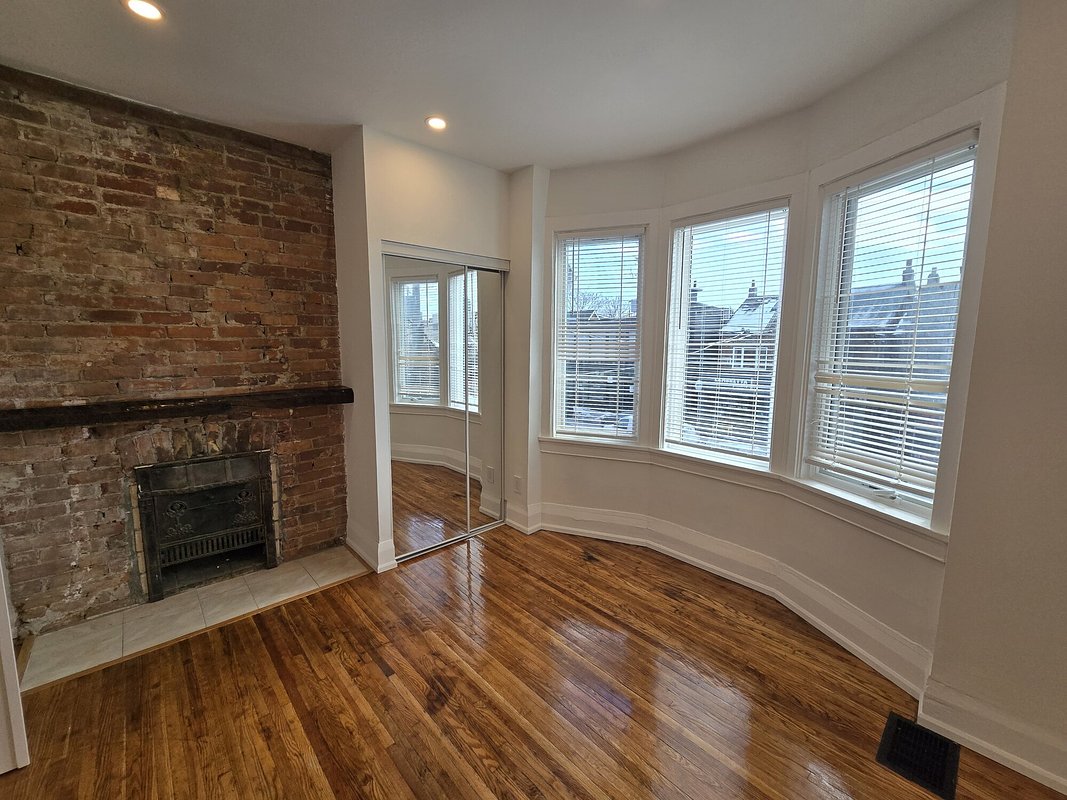
The strategy builds on the company's decade of experience transforming aging single-family and mixed-use buildings into modern, multi-unit residences in some of Toronto's most sought-after neighborhoods. With over thirty properties already converted, Alliance REIT reports near-full occupancy and a persistent waitlist, signaling intense demand for this alternative form of urban living.
Addressing a Deep-Seated Housing Deficit
The term "missing middle" refers to housing types like duplexes, triplexes, and small apartment buildings that bridge the gap between single-family homes and high-rise towers. For years, urban planners have pointed to this segment as essential for creating diverse, livable, and affordable communities. In Toronto, however, its absence is acutely felt.
The city's housing market is defined by a fundamental imbalance. Fueled by strong population growth and immigration, demand for rental housing consistently outstrips supply. According to data from the Canada Mortgage and Housing Corporation (CMHC), Toronto's rental vacancy rate has hovered near historic lows, dipping below 1.5% for purpose-built apartments. This scarcity has inevitably driven up rents, placing immense pressure on households across the income spectrum. Alliance REIT's initiative targets this structural gap directly, aiming to introduce gentle density into established neighborhoods without the dramatic scale of high-rise development.
A Counter-Cyclical Bet on a Softening Market
While some developers are pulling back amidst economic uncertainty and higher interest rates, Alliance REIT sees the current environment as a strategic opportunity. The company believes that softened asset values and reduced competition from traditional capital create a favorable window for acquiring properties at attractive prices.
This approach is central to the firm's philosophy of building a resilient portfolio. "Rather than trying to predict the market, we focus on delivering a product that is in demand in any environment," said Hooman Tabesh, CEO of Alliance REIT, in a statement. "We are creating housing at the intersection of location, livability, and scarcity--and that is what drives our long-term performance."
This counter-cyclical strategy allows the company to deploy capital with discipline when others are on the sidelines. By focusing on a product with intrinsic, long-term demand—well-located, high-quality rental units—the REIT aims to ensure strong occupancy and rent resilience regardless of broader market volatility.
A Model Enabled by City-Wide Policy Shifts
Alliance REIT's expansion is not happening in a vacuum. It is significantly bolstered by recent, transformative changes in Toronto's municipal housing policy. In a landmark move to combat the housing shortage, the City of Toronto passed its "Expanding Housing Options in Neighbourhoods" (EHON) initiative, which now permits the creation of up to four residential units on a single lot city-wide without requiring complex rezoning applications.
This policy shift effectively unlocks the potential of thousands of underutilized properties across the city, removing a major regulatory barrier that previously made such conversions costly and time-consuming. By legalizing duplexes, triplexes, and fourplexes in areas historically zoned exclusively for single-family homes, the city has laid the groundwork for the very type of gentle densification that Alliance REIT specializes in. This synergy between private investment and public policy could prove to be a powerful formula for accelerating the creation of new housing supply.
The Blueprint for Boutique Urban Living
With over ten years of focused execution, Alliance REIT has honed a vertically integrated model that covers the full lifecycle of its assets—from acquisition and development to long-term property management. This control allows for consistent execution, ensuring a high standard of design and construction quality across its portfolio.
The company's process involves identifying underperforming properties, often century-old homes in transit-oriented neighborhoods, and reimagining them as three- to eight-unit residences. This approach not only adds much-needed rental units but also preserves the character of existing streetscapes, integrating new housing into the fabric of the community. This differentiated product has proven popular, driving sustained demand from residents seeking an alternative to anonymous high-rises or unaffordable houses.
To support the new initiative, the REIT is also expanding its capital base, seeking to partner with long-term investors who share its vision. "Periods like this tend to create the best opportunities for long-term investors," Tabesh noted. "We've spent the past several years strengthening our platform and balance sheet. This initiative is about deploying that strength--and partnering with aligned capital--into a market that is setting up for the next phase of growth." As part of its outreach, the company is inviting conversations with private property owners, real estate professionals, and potential joint venture partners.
"Our approach is long-term and relationship-driven," Tabesh concluded. "We care deeply about the neighbourhoods we operate in. Every project we undertake is designed to enhance the community and create homes that people genuinely value."