
- $415 million: Value of Alchemab's landmark licensing deal with Eli Lilly for its lead asset.
- $114 million: Total funding raised by Alchemab, including a strategic investment from Lilly.
- 6,000+ patient samples: Size of Alchemab's proprietary database used for AI-driven antibody discovery.
Experts would likely conclude that Alchemab's strategic appointment of a seasoned pharma executive, combined with its AI-driven discovery platform and major partnerships, positions the company as a strong contender in the competitive AI drug discovery landscape.
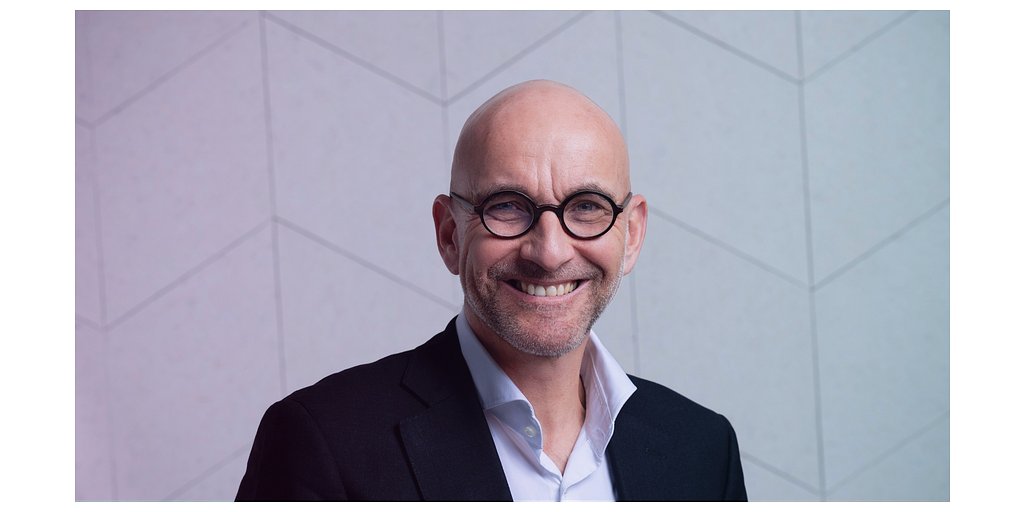
Alchemab Taps Sanofi Vet to Scale AI-Driven Antibody Discovery
CAMBRIDGE, England – March 17, 2026 – UK-based Alchemab Therapeutics has appointed seasoned pharmaceutical executive Dr. Ulrich Wendt as its new Chief Business Officer, a strategic move designed to accelerate the company’s push to forge high-value partnerships for its novel antibody therapeutics. Dr. Wendt, who previously served as Global Head of Business Development Immunology at Sanofi, joins the innovative biotech at a critical inflection point, as it looks to capitalize on recent clinical and financial milestones.
The appointment signals a clear intent from Alchemab to aggressively scale its commercial strategy. The company is pioneering a unique approach to drug discovery, using artificial intelligence to analyze the immune systems of disease-resilient individuals to find protective antibodies. With its first therapeutic candidate now in clinical trials and a robust pipeline taking shape, bringing in a proven dealmaker from a Big Pharma giant is a pivotal step toward translating its scientific promise into commercial success.
“As CBO, Ulrich will lead Alchemab's business development and alliance management, working closely with the executive team to expand the company’s partnerships across biopharma and adjacent sectors,” said Jane Osbourn, CEO and Co-Founder of Alchemab. “He will also help guide our corporate strategy as we continue scaling our AI-enabled platform capabilities.”
A Strategic Play for Global Partnerships
Dr. Wendt’s arrival is the latest in a series of significant achievements for Alchemab, which has built considerable momentum over the past year. His role will be to leverage this momentum into a new phase of growth, primarily by securing the kind of major biopharma collaborations essential for late-stage development and global commercialization.
With over a decade of experience structuring high-value deals at Sanofi, Dr. Wendt brings a deep understanding of what large pharmaceutical companies look for in a biotech partner. His expertise spans all pipeline stages and includes leadership roles in immunology, diabetes, and cardiometabolic diseases—all areas of intense research and development across the industry.
This experience will be crucial as Alchemab seeks partners for its growing portfolio of assets targeting hard-to-treat diseases. The company’s recent successes have already validated its platform in the eyes of industry leaders. In 2025, Alchemab secured two major agreements with Eli Lilly and Company, including a landmark licensing deal for its lead asset valued at up to $415 million. This was followed by a $32 million Series A funding extension, bringing its total raise to $114 million and notably including a strategic investment from Lilly itself.
“Alchemab's discovery platform positions the company at the intersection of experimental and AI-enabled discovery,” Dr. Wendt stated. “Within the last two years the company has advanced into clinical trials and delivered a stream of preclinical candidates with novel target biology. I am excited to be joining Jane and the Alchemab team at this pivotal time to help position the company for the next wave of growth.”
Mining 'Immune Secrets' with AI
At the heart of Alchemab's appeal is its highly differentiated discovery engine, which flips the traditional drug discovery paradigm on its head. Instead of solely studying what goes wrong in patients with disease, Alchemab focuses on individuals who remain healthy despite being at high risk for conditions like cancer or neurodegeneration. The company's central hypothesis is that these “resilient individuals” harbor naturally occurring protective antibodies that hold the key to new treatments.
To find these rare antibodies, the company has built an expansive, proprietary platform called “The DataCube.” This system functions as a search engine for human immunity, integrating a massive database with advanced AI. It contains over 6,000 highly curated patient samples from more than 30 global collaborators and over 350 million unique B-cell receptor sequences. By applying machine learning models and sequence clustering algorithms, The DataCube can identify convergent antibodies—functionally related protective antibodies that recur across the resilient population.
This “function-first” approach allows Alchemab to identify novel drug targets and mechanisms of action that are often missed by conventional methods. By starting with a naturally occurring, protective human antibody, the company aims to develop therapeutics with a higher probability of success and potentially better safety profiles. This method stands in contrast to traditional techniques that rely on animal immunization or engineered antibody libraries, which may not fully replicate the complexities of the human immune response.
From Pipeline Promise to Clinical Reality
The power of Alchemab's platform is no longer theoretical. The company has successfully translated its discoveries into a tangible pipeline, led by its first-in-class program for neurodegenerative diseases. In September 2025, Alchemab initiated a Phase 1 first-in-human study for its lead candidate, ATLX-1282, an antibody therapeutic targeting amyotrophic lateral sclerosis (ALS) and other neurodegenerative conditions. The start of this trial triggered a milestone payment from Lilly, which has licensed the asset for further development and commercialization following the initial study.
Beyond ALS, Alchemab's pipeline demonstrates the breadth of its platform. The company has unveiled ATLX-1088, a preclinical candidate for Alzheimer's disease targeting CD33, and its Parkinson's disease program received a grant from The Michael J. Fox Foundation in 2024. It is also advancing a wholly-owned program, ATLX-2847, for muscle atrophy, with plans to move it into clinical development using funds from its recent financing.
This rapid progression from platform concept to clinical-stage company with major pharma backing has positioned Alchemab as a significant player in the UK biotech scene and a rising contender on the global stage. The ability to consistently generate novel candidates for some of medicine’s most intractable problems underscores the value proposition Dr. Wendt will now be tasked with communicating to potential partners worldwide.
Navigating a Competitive AI Drug Discovery Landscape
Alchemab operates in an increasingly crowded and competitive field. The race to leverage AI for drug discovery has attracted billions in investment, with numerous companies like AbCellera, Generate:Biomedicines, and Insitro developing powerful computational platforms to design and discover new medicines. In this dynamic environment, a unique scientific approach is only part of the equation for success.
While Alchemab’s focus on human resilience provides a key scientific differentiator, the appointment of Ulrich Wendt is a clear strategic move to compete on the business front. His experience and network are expected to open doors and enable the company to structure sophisticated partnerships that maximize the value of its assets. As the AI-driven drug discovery market matures, the ability to not only innovate in the lab but also execute flawlessly in the boardroom will determine the ultimate winners. With a seasoned pharma strategist now at the helm of its business development, Alchemab is positioning itself to be one of them.