
- $86.3 billion: The total value of Alaska's Permanent Fund, marking its 50th anniversary.
- 34% (up from 32%): Increased target allocation to Public Equities starting July 1, 2026.
- 6.44%: The fund's net of fee rate of return for the nine months ending March 31, 2026, outpacing its benchmark of 5.53% and total return objective of 6.07%.
Experts would likely conclude that the Alaska Permanent Fund's strategic shift toward public equities and absolute return strategies reflects a disciplined, long-term approach to navigate evolving market conditions and secure future returns, while maintaining robust governance and transparency.
Alaska's Wealth Fund Shifts Strategy, Pivots to Public Markets
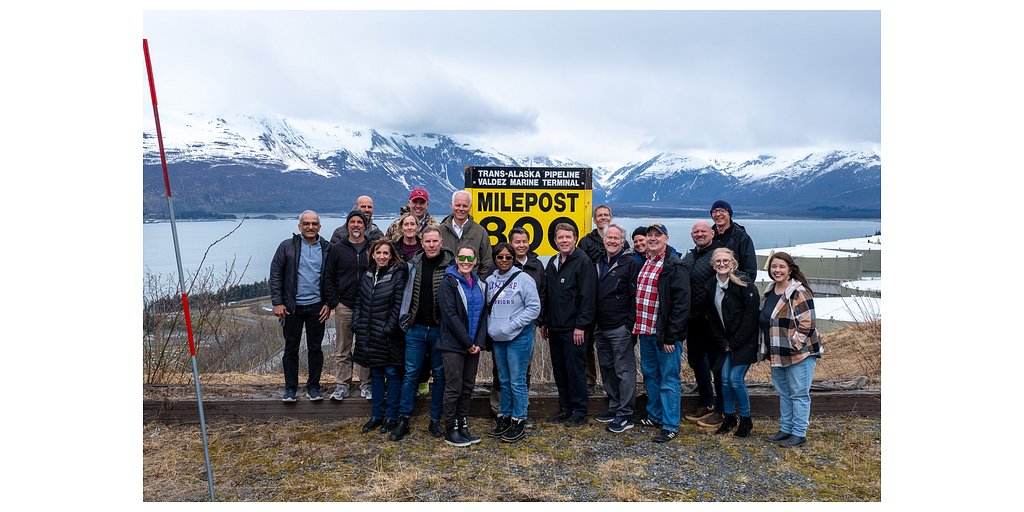
VALDEZ, AK – May 29, 2026 – In a move signaling a strategic adaptation to a shifting global economy, the Alaska Permanent Fund Corporation (APFC) has approved a recalibration of its investment strategy for fiscal year 2027. Meeting in the historically significant port town of Valdez, the Board of Trustees for the nation's largest sovereign wealth fund endorsed a plan to increase exposure to public equities and absolute return strategies while trimming allocations to private markets.
The decision comes as the $86.3 billion fund marks its 50th anniversary, a milestone that prompted reflection on its origins and a forward-looking adjustment to secure its future. The updated policy reflects what Chief Risk and Compliance Officer Sebastian Vadakumcherry called a “disciplined, long-term approach” designed to navigate evolving market conditions.
A Strategic Pivot in a Shifting Market
At the heart of the quarterly meeting was the unanimous approval of the FY27 Investment Policy Statement (IPS), which charts the course for the fund's massive portfolio. Effective July 1, 2026, the fund will increase its target allocation to Public Equities to 34% (up from 32%) and Absolute Return strategies to 8% (up from 7%).
Conversely, the board dialed back its exposure to several private asset classes that have been a focus for institutional investors for years. The target for Private Equity will decrease to 17% (from 18%), Real Estate will be reduced to 10% (from 11%), and Private Income will be trimmed to 9% (from 10%).
While the changes are modest, they reflect a significant underlying analysis of the current investment landscape. The move away from private equity, in particular, is noteworthy. Research indicates a growing sentiment among sophisticated investors that the “illiquidity premium”—the excess returns historically offered by private markets to compensate for tying up capital long-term—may be eroding. Factors such as rising interest rates, which increase financing costs for private deals, and intense competition, with a reported flood of capital chasing a limited number of opportunities, have made the sector more challenging. APFC's adjustment appears to be a proactive response to these structural changes.
“The updated Investment Policy Statement and FY27 asset allocation reflect the disciplined, long-term approach that continues to guide management of the Permanent Fund,” said Sebastian Vadakumcherry, Chief Risk and Compliance Officer. “The Board’s approval maintains a portfolio structure designed to support long-term returns while remaining responsive to evolving market conditions and the Fund’s overall risk objectives.”
Performance Amid Global Headwinds
The strategic shift is backstopped by solid, if complex, performance figures. For the nine months ending March 31, 2026, the Permanent Fund achieved a net of fee rate of return of 6.44%. This figure outpaced its passive index benchmark of 5.53% and its total return objective of 6.07%.
This performance is particularly notable when viewed against the broader market turmoil during that period. In the first quarter of 2026, for example, the S&P 500 index posted a loss of 4.3%. Other major sovereign wealth funds, such as Norway's, reported losses during the same quarter, largely due to slides in technology stocks. In this context, APFC’s positive return highlights the resilience of its diversified portfolio.
However, the fund did lag its internal performance benchmark of 7.09%. Chief Investment Officer Marcus Frampton acknowledged the mixed results while expressing confidence in the fund’s direction.
“We're pleased with the current trajectory of the Fund as we work toward the close of FY26,” said Frampton. “Our public markets portfolio has performed well, and while some private markets data for Q3 is still coming in, we are confident in the quality of the portfolio and the long-term approach guiding our investment decisions.”
Frampton also highlighted data showing the Permanent Fund compares favorably to other U.S. sovereign wealth funds over five- and ten-year periods, often with a more fee-efficient profile.
From Pipeline to Portfolio: A 50-Year Legacy
Hosting the meeting in Valdez was a deliberate nod to the Permanent Fund's deep roots in Alaska's resource economy. Valdez is the southern terminus of the 800-mile Trans-Alaska Pipeline System, the artery that has carried the state's oil wealth from the North Slope since 1977. It was this oil wealth that voters chose to preserve in 1976 by creating the Permanent Fund, mandating that a portion of mineral revenues be saved for future generations.
In recognition of this connection, APFC leadership engaged directly with the community. Board Chair Jason Brune and CEO Deven Mitchell addressed the Valdez City Council, and the board toured the Alyeska Pipeline Services Valdez Marine Terminal to meet with staff.
“We are deeply grateful to the community of Valdez for their warm welcome,” said Chair Brune. “The Permanent Fund belongs to every Alaskan, and by engaging with communities across Alaska, we reaffirm our responsibility to be transparent and accountable stewards of the Permanent Fund, Alaska’s greatest financial resource.”
Bolstering Governance and Public Trust
Alongside financial strategy, the board took concrete steps to enhance transparency and governance. Trustees adopted updates to the APFC Governance Manual, with revisions focused on strengthening disclosure practices, improving trustee education, and formalizing key procedures to ensure consistency.
This commitment to openness was also reflected in the launch of a redesigned corporate website, apfc.org. Communications Director Paulyn Swanson explained the goal is to make the site a more user-friendly and reliable source of information, boosting public engagement and education about the fund's management.
Further underscoring a commitment to rigorous oversight, the board’s Ethics, Audit, & Cybersecurity Committee convened to review the FY26 audit plan with KPMG and discuss the results of a bi-annual cybersecurity audit. These actions align with global best practices for sovereign wealth funds, which increasingly emphasize robust governance and public accountability as essential for maintaining trust and ensuring long-term stability. The board also tasked staff with developing a formal benchmark policy, signaling a drive for even greater precision in measuring the fund's success for the people of Alaska.