
- 3.08 million visitors: Alaska welcomed an estimated 3.08 million visitors between May 2024 and April 2025, marking a record-breaking surge in tourism.
- 30% cruise passenger surge: Summer 2024 cruise passenger numbers surged nearly 30% above pre-pandemic levels, accounting for two-thirds of all summer visitors.
- 2026 exclusivity: The 2026 season offers the last chance to experience Denali National Park's backcountry with near-exclusivity before the full reopening of the Denali Park Road in 2027.
Experts agree that 2026 is a pivotal year for Alaska tourism, offering unique opportunities for wilderness exploration and cultural immersion while also highlighting the need for sustainable practices to manage record-breaking visitor numbers and environmental impacts.
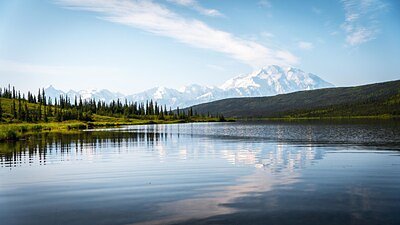
Alaska 2026: Last-Chance Wilderness Meets a New Wave of Adventure
ANCHORAGE, AK – April 23, 2026 – Alaska is issuing a compelling call to travelers for 2026, a year shaping up to be pivotal for the state's tourism landscape. The Alaska Travel Industry Association (ATIA) is highlighting a unique convergence of opportunities, from a final, fleeting chance to experience the serene backcountry of Denali National Park before a full reopening in 2027, to a host of new adventures and an unprecedented focus on the state's rich Indigenous cultures. As Alaska navigates a record-breaking tourism boom, the 2026 season offers a dynamic blend of exclusive wilderness, authentic cultural immersion, and innovative exploration.
Denali's Last Call for Serenity
The most urgent and unique draw for 2026 is an exclusive window of opportunity within Denali National Park and Preserve. For several years, the famed 92-mile Denali Park Road has been closed at Mile 43 due to the accelerating Pretty Rocks landslide, which has required a massive engineering solution. With a new bridge across the landslide on track for completion in mid-2026, the National Park Service anticipates the full road and its popular bus services will resume in 2027.
This makes 2026 the final summer for visitors to experience the park's deep backcountry with a profound sense of solitude. The remote lodges at the end of the road—including Camp Denali, Denali Backcountry Lodge, and the Indigenous-owned Kantishna Roadhouse—will operate in a bubble of near-exclusivity. Access will be primarily via helicopter, transforming the journey itself into a spectacular aerial tour of the Alaska Range. For travelers seeking a truly immersive and crowd-free encounter with North America's tallest peak and its surrounding wilderness, this is a distinct, one-time opportunity before the buses return and visitor access patterns normalize.
Indigenous Heritage Takes Center Stage
Moving beyond landscapes, 2026 marks a significant moment for cultural tourism in Alaska, with Indigenous voices and experiences taking a more prominent role than ever before. A cornerstone of the season will be the Sealaska Heritage Institute's biennial event, Celebration, held in Juneau from June 3–6. As one of the largest gatherings of Southeast Alaska Native peoples, this multi-day event pays vibrant tribute to the enduring traditions of the Tlingit, Haida, and Tsimshian cultures through oratory, art, and thousands of dancers.
This event is emblematic of a broader, powerful trend: the rise of authentic, Indigenous-led tourism. Long considered a “sleeping giant,” this sector is awakening as travelers increasingly seek deeper, more meaningful connections. Indigenous-owned businesses are creating new experiences statewide, from a bear-viewing lodge in Kodiak to tour operators in Anchorage and Sitka. Ventures like Na-Dena`, a partnership between Native corporations Doyon, Limited and Huna Totem Corporation, are actively working to reimagine Alaska tourism by blending historic traditions with modern travel, ensuring that economic benefits flow back into Native communities. This shift provides visitors a chance to learn about the 10,000-year history of people on the land, moving the narrative beyond just scenery and wildlife to one of profound human connection and cultural resilience.
New Frontiers in Adventure by Rail, Air, and Sea
For the active and adventurous traveler, Alaska is rolling out a slate of new and notable experiences. The historic White Pass & Yukon Route Railroad in Skagway will celebrate its 125th anniversary, offering excursions that trace the dramatic history of the Klondike Gold Rush through breathtaking mountain passes. Further north, the Alaska Railroad, which stretches 470 miles from Seward to Fairbanks, is launching two new multi-day packages: the 11-day "Glaciers, Rails & Trails" and the six-day "Active Alaska Adventure." These itineraries are designed to take travelers into areas inaccessible by road for activities like ziplining, glacier treks, and heli-hiking.
Thrill-seekers can also look to the sky with Alaska Helicopter Tours' new Glacier Exploration adventure in the Knik River Valley, offering guided treks on ancient ice and, for the truly daring, a polar plunge into glacial waters. The state's vibrant wildlife is the focus of new events and tours as well. The first-ever Migration Celebration in Haines (May 1-3) promises world-class birding and wildlife viewing, while Seabird Ventures is launching new small-group, eco-focused tours in Kachemak Bay near Homer, designed to maximize encounters with the region's rich marine life.
Navigating an Unprecedented Tourism Boom
These new offerings arrive as Alaska experiences a record-breaking surge in tourism. The state welcomed an estimated 3.08 million visitors between May 2024 and April 2025, a testament to its powerful allure. The cruise industry has been the primary engine of this growth, with summer 2024 cruise passenger numbers surging nearly 30% above pre-pandemic levels and accounting for two-thirds of all summer visitors. While this boom provides a vital economic infusion, supporting tens of thousands of jobs, it also presents significant challenges.
Infrastructure in popular port towns like Juneau is straining under the pressure, leading to high accommodation prices and concerns among residents about quality of life. Simultaneously, the environmental impact of mass tourism remains a critical concern in a state that is warming twice as fast as the global average. In response, a commitment to sustainability is gaining traction. Programs like Adventure Green Alaska are certifying operators for their environmental stewardship, and the principles of low-impact, responsible travel are central to the ethos of many new tourism ventures, particularly those led by Indigenous communities. This positions 2026 not just as a year of opportunity for travelers, but as a crucial moment for Alaska to define a sustainable path forward for its most vital and fragile asset: its own magnificent wilderness.