
- 2,000 Holocaust survivors to receive daily cooked meals during conflict
- Hundreds of emergency purchase cards to be distributed for essential supplies
- Large-scale food distribution for thousands of displaced individuals
Experts agree that IFCJ Canada's targeted, community-based approach is critical for protecting vulnerable populations during wartime, complementing frontline emergency services with sustained humanitarian support.
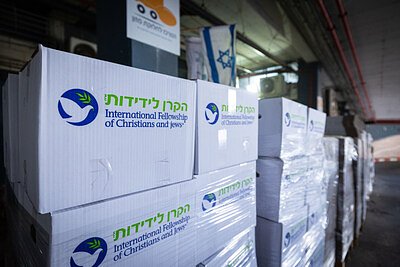
Aid Groups Prepare to Shield Israel’s Vulnerable Amid Regional Tensions
TORONTO, ON – March 11, 2026 – In a region perpetually balanced on a knife's edge, the shadow of potential conflict shapes not only military strategy but also the very fabric of humanitarian preparedness. For organizations dedicated to civilian welfare in Israel, readiness is not a reaction but a constant state. Amidst the persistent, decades-long tensions between Israel and Iran, which often manifest in proxy conflicts and covert operations, humanitarian groups have developed intricate plans to rapidly mobilize and protect the nation's most vulnerable citizens should a large-scale crisis unfold.
One such organization, the International Fellowship of Christians and Jews of Canada (IFCJ Canada), has outlined a detailed blueprint for emergency response. This plan highlights a core mission focused on providing immediate, life-sustaining aid to those who would be most affected by widespread conflict. It demonstrates how years of experience in a volatile environment have translated into a robust operational playbook designed for rapid deployment.
“The Fellowship stands shoulder to shoulder with the people of Israel during this incredibly difficult time,” said Yael Eckstein, President of IFCJ Canada, in a statement outlining the organization's commitment. “Our mission has always been to bring comfort, lifesaving care, and hope to Israel's people, and that commitment is stronger than ever today.”
A Blueprint for Emergency Response
In the event of a national emergency, such as sustained missile and drone attacks, the immediate aftermath is a critical window for humanitarian intervention. IFCJ Canada’s emergency protocols, developed in coordination with its global affiliates, prioritize direct assistance to civilians caught in the crossfire. The plan is a multi-pronged strategy aimed at addressing the most urgent needs that arise when communities are disrupted by violence.
Key components of the response plan include the immediate distribution of emergency purchase cards. According to the organization, hundreds of these cards would be provided to individuals and families displaced from their homes, empowering them to obtain essential supplies like food, clothing, and medicine. This approach provides not only material aid but also a measure of dignity and autonomy for families navigating sudden and profound uncertainty.
Furthermore, the organization is prepared to launch a large-scale food distribution initiative for thousands of individuals and families who lose their homes. This goes beyond immediate relief, aiming to provide a sustained source of nourishment during a period of displacement and chaos. The logistics for such an operation are built on a well-established network of local partners and volunteers, ensuring that aid can be delivered efficiently even when infrastructure is strained.
Protecting the Inherently Vulnerable
Beyond broad-based aid, the organization's strategy places a significant emphasis on two specific populations whose vulnerabilities are acutely magnified during wartime: Holocaust survivors and new immigrants (olim).
For Israel's aging community of Holocaust survivors, the sounds of sirens and explosions can trigger profound psychological trauma, reactivating the horrors of their past. Many live alone, face mobility challenges, and subsist on limited incomes, making it nearly impossible for them to reach bomb shelters or secure essential supplies during a conflict. Recognizing this, IFCJ Canada's plan includes the delivery of daily cooked meals to approximately 2,000 survivors who lack family support or are physically unable to prepare food. This measure is not just about nutrition; it is a vital lifeline that provides human contact and a reminder that they are not forgotten in the chaos.
New immigrants face a different, yet equally daunting, set of challenges. Often grappling with language barriers and lacking the deep-rooted community support networks that long-term residents rely on, olim can feel especially isolated and confused during a national crisis. They may be unfamiliar with Israel’s civil defense protocols, the locations of public shelters, or how to access emergency services. To counter this, IFCJ Canada’s preparedness plan involves conducting ongoing informational sessions to equip new immigrants with the knowledge and resources they need to remain safe. These sessions are crucial for integrating them into the national emergency response framework and connecting them with vital community support systems.
A Global Partnership in Action
The International Fellowship of Christians and Jews of Canada, founded in 2003, operates as part of a global network of affiliated organizations in the United States, Israel, and South Korea. This international structure is central to its ability to fundraise and deploy aid effectively. The organization’s mission is explicitly rooted in fostering cooperation between Christians and Jews and building broad support for Israel, a foundation that has enabled it to create a unique and powerful philanthropic engine.
Led by Yael Eckstein, who succeeded her late father and organization founder, Rabbi Yechiel Eckstein, IFCJ Canada has built its operational model on close partnerships with local Israeli municipalities, social service agencies, and on-the-ground non-profits. This model ensures that aid is not just sent from abroad but is distributed by local experts who understand the specific needs of their communities. It allows the organization to act as a major funding and logistics coordinator while leveraging the intimate local knowledge of its partners.
This approach distinguishes it from other aid organizations. While groups like Magen David Adom focus on frontline emergency medical services, IFCJ’s niche lies in bolstering community resilience and providing sustained social and humanitarian support. In times of crisis, this means their role complements the immediate medical and rescue efforts by addressing the critical needs of food, shelter, and targeted support for at-risk populations, ensuring that the social fabric does not fray under the immense pressure of war.