
- $50 million in venture capital funding
- 3% fabric waste (vs. 10-15% in conventional production)
- 53% reduction in greenhouse gas emissions with AI weaving
Experts view unspun's AI-driven 3D weaving technology as a transformative solution for revitalizing U.S. apparel manufacturing, offering economic efficiency and environmental sustainability through automation and on-demand production.
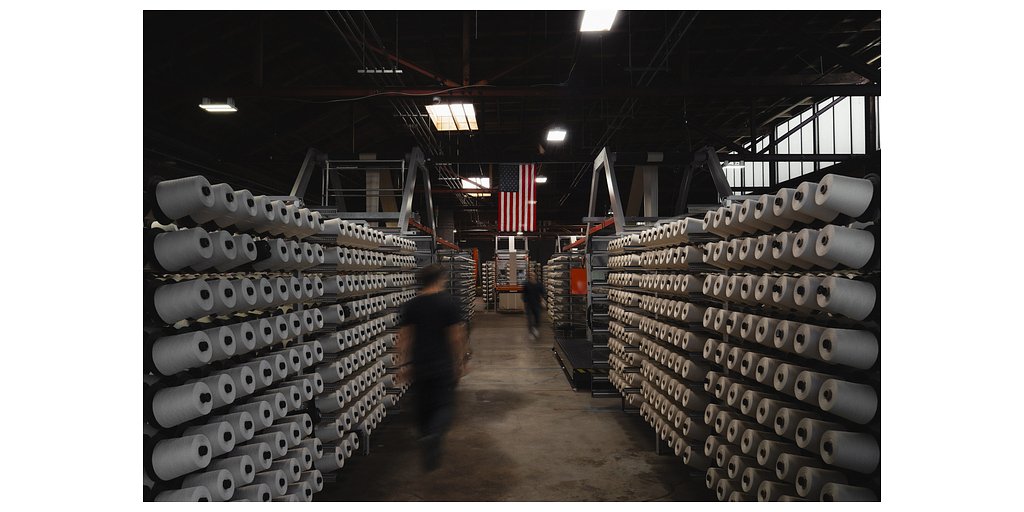
AI Weaves New Future for 'Made in USA' Apparel With Walmart's Backing
SAN FRANCISCO, CA – April 06, 2026
A new chapter in American manufacturing is being written, not with needle and thread, but with algorithms and automated looms. Tech firm unspun, backed by retail giants Walmart and REI, has announced ambitious plans to establish domestic manufacturing hubs across the United States, powered by a proprietary AI-enabled 3D weaving technology. The initiative aims to reverse decades of offshore production by making apparel manufacturing in America not just viable, but economically and environmentally superior.
With over $50 million in venture capital funding, unspun is moving from technology development to industrial-scale deployment, a shift underscored by the appointment of former The North Face Global Brand President Arne Arens as CEO. The company's vision is to create a network of automated micro-factories that can produce garments directly from yarn in minutes, a paradigm shift that promises to reshape the fashion industry's notoriously long and wasteful supply chains.
A New Fabric for American Manufacturing
At the heart of this manufacturing renaissance is unspun’s proprietary Vega™ technology. The system transforms the traditional, multi-step process of cutting fabric panels and sewing them together into a single, highly automated operation. A 3D weaver takes yarn and, in about ten minutes, produces a semi-finished pair of pants, ready for final touches. This method virtually eliminates the fabric waste inherent in conventional production, where 10-15% of material is often discarded on the cutting room floor. With unspun's process, that figure drops to just 3%.
This technological leap is what makes domestic production competitive again. By automating dozens of labor-intensive steps, the system addresses the high labor costs that originally drove apparel manufacturing overseas.
“We are not exploring whether domestic apparel manufacturing can work. We are building it,” said Arne Arens, CEO of unspun. “Our clients are looking for a new production model because they see the economics: manufacturing closer to the customer, responding to demand within the same season, and creating skilled American jobs in the process.”
While automated textile production exists, with established players like Shima Seiki and Stoll pioneering 3D knitting, unspun claims its "3D weaving" technology offers a distinct advantage. The company asserts its machines are ten times faster and five times cheaper than other 3D knitting solutions, positioning it to enable on-demand manufacturing at a commercial scale previously thought unattainable.
The Retail Giants' Strategic Bet
The support from Walmart and REI is more than a nod to the "Made in USA" trend; it’s a calculated strategic move to overhaul their supply chains. The current model, which relies on months-long lead times from overseas factories, forces brands to make massive inventory bets far in advance of a selling season. This frequently leads to overproduction, deep markdowns on unsold goods, and lost revenue—an issue that costs the industry billions annually.
unspun’s localized, on-demand model flips this script. By shortening production timelines from months to days, brands can react to real-time consumer demand, reordering popular styles mid-season and avoiding the costly gamble of excess inventory. The company projects this efficiency can improve a brand's gross margins by 400 to 500 basis points.
Walmart has already committed to a pilot project using the technology for a line of men's chinos under one of its house brands. The retail behemoth has outlined a goal to deploy 350 of unspun's Vega machines across the U.S. by 2030, aiming to produce over 10 million garments annually through this partnership.
“Our customers are proud to buy apparel made in America, and the demand keeps growing,” said Avisnash Bhasker, Vice President, Apparel Production Development at Walmart. “We are excited about unspun’s commitment and effort in helping rebuild domestic manufacturing capability that is faster, smarter, and designed for how customers actually shop.”
Weaving a More Sustainable Future
Beyond the economic benefits, the initiative tackles one of the fashion industry’s most pressing problems: its staggering environmental footprint. The sector is responsible for up to 8.6% of global greenhouse gas emissions and generates over 92 million tons of textile waste each year. An estimated 30% of all clothing produced is never sold, ending up in landfills or incinerators.
unspun's model offers a powerful antidote. By producing garments on-demand, it directly combats the problem of overproduction. The near-elimination of fabric waste adds to its green credentials. As a certified B Corporation, unspun has subjected its claims to third-party scrutiny. A Life Cycle Assessment (LCA) commissioned by the company found that its 3D weaving process reduces greenhouse gas emissions by 53%, energy consumption by 49%, and fresh water use by 39% compared to conventional methods for a single pair of cotton pants.
Furthermore, localizing production in hubs across the U.S. drastically cuts down on the carbon emissions associated with shipping materials and finished goods across the globe, creating a shorter, more transparent, and resilient supply chain.
Rebuilding the Workforce and Scaling Up
The reintroduction of apparel manufacturing to the U.S. will not look like the textile mills of the past. The jobs created by unspun's automated hubs will be skilled positions requiring technical expertise in machine operation, system maintenance, data analytics, and robotics. This shift presents both a challenge and an opportunity for the American workforce, necessitating new training programs to build the skill sets for the factories of the future.
Leading this charge is CEO Arne Arens, whose extensive experience leading global brands like The North Face and Boardriders (parent of Quiksilver and Billabong) lends significant weight to unspun's industrial ambitions. His appointment in March of this year signaled a clear pivot from research and development to aggressive commercial scaling. Arens has spoken of his firsthand experience with the financial and environmental toll of the industry's outdated production cycles, framing unspun’s technology as a fundamental solution.
With equipment ready for deployment and a clear vote of confidence from major industry players, unspun is currently evaluating sites for its first hubs, considering infrastructure requirements and opportunities for workforce training. The initiative represents one of the most significant efforts to deploy AI-driven automation to rebuild a domestic manufacturing base at scale, potentially weaving a new, stronger, and more sustainable fabric for the American economy.