
- 1 in 5 children aged 5 to 11 have at least one untreated decayed tooth in the US (CDC).
- Low-income children are twice as likely to have untreated cavities compared to higher-income peers.
- 16 million children and caregivers have been supported by America's ToothFairy since 2006.
Experts view this AI-powered dental screening tool as a promising step toward improving access to pediatric dental care, particularly for underserved communities, though it is not a substitute for professional diagnosis and treatment.
AI Tool Targets Dental Care Gap for Underserved US Children
METUCHEN, N.J. – January 21, 2026 – A novel partnership between a virtual-first dental care provider and a prominent children's health nonprofit is set to deploy artificial intelligence directly into the hands of families, aiming to tackle the persistent crisis of pediatric dental care access in the United States.
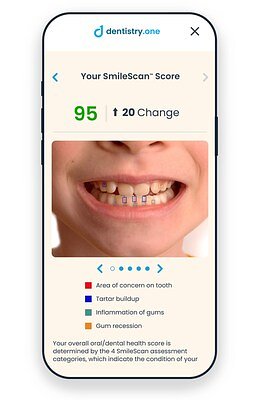
Dentistry.One, a telehealth solution from MouthWatch, Inc., announced today its collaboration with America's ToothFairy, a national nonprofit dedicated to connecting children with oral health resources. The initiative introduces SmileScan™, a free, AI-powered tool that allows parents to conduct an initial oral health screening for their children using just a smartphone camera. By analyzing user-submitted photos of the teeth and gums, the technology generates a report in minutes, flagging potential concerns such as tartar buildup, gum inflammation, and recession.
This collaboration represents a significant step in leveraging technology to bridge the gap between awareness and action, particularly for communities facing substantial barriers to traditional dental services.
A Digital First Step in a System of Barriers
The core of the initiative is designed to be a simple, accessible entry point into the often-complex healthcare system. For many families, the journey to a dentist's chair is fraught with obstacles. These can range from a lack of local providers, especially those who accept Medicaid, to financial pressures and logistical challenges like transportation and time off from work.
"For many families, accessing dental care isn't always easy," said Brant Herman, Founder and CEO of Dentistry.One and MouthWatch, in a statement. "Provider availability, differences in Medicaid participation, cost pressures, and transportation challenges can all play a role. SmileScan helps flag potential issues early and gives families a clear next step."
This initial AI-powered scan is not a formal diagnosis but a screening designed to empower parents with information. By providing an objective report and an overall oral health score, the tool aims to move families from a state of uncertainty to having a concrete reason to seek professional advice. This early identification is critical, as dental issues caught sooner are often simpler and less costly to treat.
Confronting a National Health Crisis
The partnership arrives at a critical time. Despite being largely preventable, dental caries—commonly known as cavities—remain the single most common chronic disease of childhood in the United States. According to the Centers for Disease Control and Prevention (CDC), about one in five children aged 5 to 11 have at least one untreated decayed tooth.
The problem is exacerbated by profound disparities. Children from low-income families are twice as likely to have untreated cavities compared to their peers from higher-income households. Data consistently shows that Hispanic and non-Hispanic Black children also face a disproportionately higher burden of untreated tooth decay. These statistics point to systemic failures in access that initiatives like this one hope to address.
America's ToothFairy has been working on this problem since 2006, supporting a national network of nonprofit clinics and community partners. The organization reports it has helped provide resources for more than 16 million children and caregivers. By integrating Dentistry.One's virtual tools into its outreach, the nonprofit can now offer an immediate, tech-driven resource to the communities it serves.
"This partnership helps families move from concern to care with less delay," noted Jill Malmgren, executive director at America's ToothFairy. "By sharing SmileScan and Dentistry.One's virtual services, we are giving families, especially those facing barriers to care, easier access and a faster path to preventive and restorative dental care for their children."
The Hybrid Path from Virtual Scan to In-Person Care
While the AI scan is the first step, the partnership’s strength lies in the comprehensive pathway it offers afterward. Once a potential issue is flagged by SmileScan™, families are not left to navigate the system alone. The platform provides two distinct routes for follow-up.
First, families can connect with a licensed dentist through a Dentistry.One virtual consultation. This allows for a professional assessment of the scan's findings and a discussion of symptoms, providing immediate advice and a care plan without the need for an in-person visit. This telehealth component is crucial for initial triage and patient education.
However, virtual care has its limits; it cannot perform physical procedures like filling a cavity or conducting a deep cleaning. Recognizing this, the second and perhaps most critical component of the model is care coordination. When in-person treatment is required, Dentistry.One's care coordinators step in to help families find and book appointments with nearby, in-network dental providers. This hands-on support is designed to directly address the logistical hurdles that often prevent families from completing the care journey.
This hybrid model—combining AI screening, virtual consultation, and coordinated in-person care—represents an evolution in teledentistry. It acknowledges the technology's limitations while leveraging its strengths for accessibility and efficiency.
The Evolving Landscape of Digital Dentistry
The rollout of services like SmileScan™ operates within a complex and developing regulatory environment. Teledentistry regulations vary significantly from state to state, dictating everything from how a dentist-patient relationship can be established to reimbursement policies. Furthermore, the use of AI in healthcare is under increasing scrutiny from bodies like the Food and Drug Administration (FDA), which evaluates the safety and efficacy of AI-powered medical devices.
By positioning SmileScan™ as a screening and educational tool rather than a diagnostic one, Dentistry.One navigates a less stringent regulatory pathway. However, the reliance on patient-provided photos means the quality of the initial assessment is variable, and it cannot replace a comprehensive clinical exam with radiographs and tactile evaluation.
Nonetheless, the strategic collaboration between a for-profit technology company and a national nonprofit highlights a sustainable model for social impact. Dentistry.One can expand its user base through the free tool, while America's ToothFairy gains a powerful, scalable resource to further its mission. This synergy may prove to be a blueprint for addressing other public health challenges, deploying innovative technology where it is needed most.