
- 70% of marketing teams now use generative AI
- Ansira acquired competitors BrandMuscle and SproutLoud in 2024
Experts agree that AI should serve as a co-pilot to human strategists, enhancing efficiency while preserving the cultural nuance and authenticity essential for effective local marketing.
AI & the Human Touch: Redefining the Future of Local Marketing
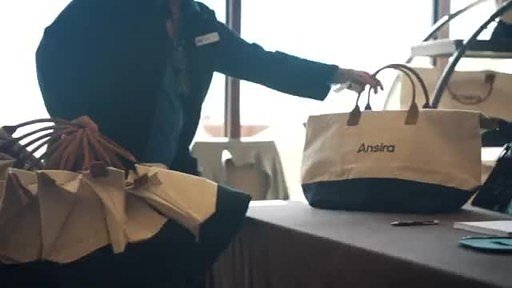
ST. LOUIS, MO – March 18, 2026 – As artificial intelligence continues its rapid integration into every facet of business, marketing leaders are grappling with a pivotal question: How do you balance the power of automation with the irreplaceable value of human connection? This central theme dominated discussions at Ansira's sixth annual "The Channel Effect" summit, where hundreds of senior marketers from global brands like Microsoft, Hyundai, and State Farm gathered to chart the future of brand-to-local marketing.
The event, held in late February, served as a critical forum for an industry at a crossroads. While the promise of AI-driven efficiency is alluring—with recent studies showing over 70% of marketing teams now using generative AI—the challenge lies in deploying this technology without losing the nuance, cultural understanding, and authenticity that drive sales in local communities.
The Human-AI Paradox
The summit's agenda placed this paradox front and center. Keynote speaker Omar Johnson, the visionary former CMO of Beats by Dre and VP of Marketing at Apple, delivered a powerful message on the limits of algorithms. He argued that while AI can process data at an unimaginable scale, it cannot replicate the uniquely human qualities of judgment, domain expertise, and what he termed "tribal knowledge"—the deep cultural insights built through lived experience. Johnson, who now leads the brand management firm ØPUS United, champions a "Business to Human" (B2H) approach, asserting that the greatest opportunity for brands lies in becoming more human, not less, to build authentic consumer relationships.
This perspective was balanced by insights from Nikhil Lai, a Principal Analyst at Forrester specializing in performance marketing. Lai detailed the broader industry shift toward AI-powered brand-to-local programs, explaining how machine learning is fundamentally reshaping media buying, search engine optimization, and strategic planning. While Ansira's own experts demonstrated practical applications of AI in organic search and media buying, the overarching consensus was that AI works best as a co-pilot, not a replacement for human strategists.
This reflects a wider industry reality. Despite rapid adoption, marketers face significant hurdles in AI implementation, particularly at the local level. AI models often lack cultural nuance, and an over-reliance on automated content can flatten brand messaging, stripping it of the very local flavor it needs to resonate. Human oversight remains critical to ensure cultural fit, prevent errors, and tell stories that connect on an emotional level—a task algorithms are not yet equipped to handle.
Mastering the Complex Partner Ecosystem
Beyond the AI debate, the summit tackled the immense operational challenge of managing complex brand-to-local ecosystems. For national and global brands, success is executed through a fragmented network of thousands of independent partners—franchisees, dealers, agents, and retailers—each operating in a unique local market. Maintaining brand consistency, ensuring compliance, and driving measurable growth across such a diverse network is a monumental task.
Ansira, which positions itself as the "platform of record for brand-to-local ecosystems," brought this challenge into focus. The company's CEO, Paul Tibbitt, highlighted the power of cross-industry collaboration. "When marketing leaders from different industries share experiences, challenges, and successes in one room, it sparks ideas and strategies that extend far beyond the event itself," he stated.
The need for a unified approach is clear. Brands like Hyundai, with its vast dealer marketing program, or State Farm, with its network of local agents, rely on sophisticated systems to connect national campaigns with local execution. The primary challenge is often a fragmented technology stack, where disparate tools for social media, advertising, and analytics create silos that hinder performance and visibility. Sessions at the summit addressed this head-on, with real-world case studies on creating regional synergy, empowering partners with better tools and training, and leveraging data at every stage of the marketing process.
Platform Power: The Technology Driving Local Growth
The solution emerging from these discussions is a move toward integrated, platform-driven marketing. Rather than juggling dozens of separate tools, brands are seeking single, comprehensive platforms that can orchestrate the entire brand-to-local experience. This approach aims to simplify complexity for both the corporate brand and its local partners.
Ansira has solidified its position in this competitive landscape, earning recognition as a "Strong Performer" in a recent Forrester Wave™ report on Partner Marketing Automation Platforms and making strategic acquisitions of competitors like BrandMuscle and SproutLoud in 2024 to consolidate its offering. The company's platform provides an end-to-end solution, from managing co-op advertising funds and local websites to executing hyper-targeted media campaigns with integrations into major platforms like Meta.
The demand for such unified systems is growing, as evidenced by Ansira's recent addition of major clients like Trek Bikes and Trane. For local partners, these platforms can be transformative, giving them access to brand-approved creative, streamlined campaign deployment, and clear analytics on what's working, all without needing to be marketing experts themselves. For the national brand, it provides unprecedented visibility into local marketing performance, ensuring that marketing dollars are spent effectively and drive measurable revenue growth.
As the summit concluded, the path forward became clearer. The future of brand-to-local marketing will not be a victory of machine over man, but a synthesis of both. Success will belong to the brands that successfully weave AI-powered efficiency into a robust technology platform, all while empowering their local human partners with the tools and trust they need to build authentic connections, one community at a time.