
- $1.2 billion: The global market for AI-powered vehicle inspection systems in 2023, projected to grow to $6.9 billion by 2033. - 99% accuracy: Some competitors claim this level of accuracy in damage detection. - 4x cost: Roadside breakdowns can cost up to four times more than planned shop repairs.
Experts agree that AI-powered automated inspection systems like iDR™ are revolutionizing fleet management by improving efficiency, reducing costs, and enhancing safety through real-time, objective damage detection.
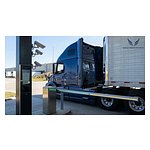
AI Scans Trucks for Damage, Overhauling North American Fleet Management
MISSISSAUGA, Ontario – May 19, 2026 – In the relentless world of logistics, where every minute of downtime translates to lost revenue, a new technological wave is cresting. Mississauga-based Eagle Vision Security has launched its Intelligent Damage Reporting (iDR)™ solution, an AI-powered platform designed to automatically scan and detect damage on trucks and trailers as they move through fleet yards. The launch signals a significant push to replace the industry's traditional, manual inspection processes with automated, real-time intelligence.
For decades, vehicle inspection has been a largely unchanged, hands-on process. A driver, often at the end of a long haul, walks the perimeter of a 53-foot trailer with a clipboard, looking for new dents, tire issues, or structural damage—a task made difficult by darkness, weather, and human fatigue. Undetected damage can quickly escalate, leading to costly roadside repairs, rejected loads, and complex insurance disputes. Eagle Vision Security's iDR™ aims to solve this by embedding high-resolution cameras and AI analytics into the infrastructure of truck yards and logistics terminals, creating automated inspection portals that never get tired or distracted.
The Shift from Manual to Automated Inspection
The core of the iDR™ system lies in its ability to transform a reactive, often inconsistent process into a proactive, data-driven one. As a vehicle passes through a designated checkpoint, the system’s advanced imaging captures its condition from multiple angles. AI algorithms then analyze these images in real-time, comparing them against a stored digital model of the vehicle to instantly identify new scratches, dents, punctures, or other forms of damage. This moves beyond simple surveillance, providing actionable operational intelligence.
“Fleet operations move fast, and even minor vehicle damage can quickly become a costly operational issue if it goes unnoticed,” said Parm Deol, President of Eagle Vision Security, in a statement accompanying the launch. “Traditional inspection processes are often manual, inconsistent, and reactive. Intelligent Damage Reporting (iDR)™ was designed to help fleet operators identify issues early, improve reporting accuracy, and gain real-time visibility into vehicle conditions.”
When the system flags an issue, it sends an immediate alert to fleet managers, complete with high-resolution images and detailed reporting data. This allows maintenance teams to be dispatched, repair orders to be created, and accountability to be established before the vehicle is even parked. By creating a verifiable, time-stamped digital record of a vehicle's condition at every entry and exit, the technology aims to eliminate disputes between carriers, shippers, and maintenance providers.
A Crowded Field of Digital Watchdogs
Eagle Vision Security is not entering an empty arena. The launch of iDR™ places it within a burgeoning and highly competitive market for AI-powered vehicle inspection. The global market for these systems was valued at over $1.2 billion in 2023 and is projected to skyrocket to nearly $6.9 billion by 2033, according to industry market reports. This explosive growth is fueled by the transportation sector's urgent need for greater efficiency and accuracy.
Key competitors have already made significant inroads. Companies like UVeye have gained recognition for their comprehensive scanning systems, often described as an "MRI for vehicles," which check the undercarriage, tires, and exterior. Fleet management giants like Samsara integrate AI to verify Driver Vehicle Inspection Reports (DVIRs), while specialists such as Inspektlabs and Ravin.AI offer solutions that can generate detailed damage reports from smartphone images within minutes. Some competitors claim accuracy rates as high as 99%, setting a high bar for performance.
Eagle Vision Security's strategy appears to be leveraging its established reputation in AI-driven security and real-time monitoring within the North American logistics sector. By positioning iDR™ as an integrated component of intelligent facility management, the company is betting that its deep industry focus will provide a competitive edge in a field attracting both established players and agile startups.
Beyond the Repair Bill: The Economic Ripple Effect
The true value proposition of systems like iDR™ extends far beyond simply spotting a new scratch. The financial implications for fleet operators are substantial, touching everything from maintenance budgets to insurance premiums. Early and automated damage detection allows fleets to shift from costly, reactive repairs to scheduled, proactive maintenance. Industry data suggests that a roadside breakdown can cost up to four times more than a planned shop repair, a scenario that proactive inspections are designed to prevent.
By automating the inspection process, fleets can also realize significant labor savings and reallocate personnel from routine documentation to more complex diagnostic and repair tasks. More importantly, it ensures consistency. An AI system evaluates every vehicle against the same objective criteria, 24/7, eliminating the variability inherent in human inspections.
This objectivity is also attracting attention from the insurance industry. Verifiable, timestamped visual evidence of a vehicle's condition can drastically streamline the claims process, reduce fraud, and provide a clear basis for liability. While direct premium reductions are not yet standard, an industry analyst noted that fleets adopting such risk-mitigation technologies are building a strong case for more favorable underwriting terms. By providing a clear, indisputable audit trail, AI inspection systems de-risk the entire operation, a factor that insurers find increasingly attractive.
Fortifying the North American Supply Chain
On a broader scale, the adoption of technologies like Intelligent Damage Reporting represents a crucial step in modernizing and fortifying the North American supply chain. The logistics industry is under immense pressure from rising operational costs, labor shortages, and increasing customer demands for speed and reliability. In this environment, operational inefficiencies are not just a nuisance; they are a direct threat to profitability and competitiveness.
Automated systems provide a scalable solution to these challenges. By ensuring that every truck, trailer, and container is in optimal condition, these digital watchdogs help prevent the delays that can ripple through the entire supply network. A single trailer taken out of service unexpectedly can mean a missed delivery, a production line shutdown, and a broken link in a complex logistical chain.
As Eagle Vision Security rolls out iDR™ from its headquarters in Mississauga and regional hubs across the U.S., it is contributing to a larger industrial transformation. The integration of artificial intelligence into the physical nuts and bolts of transportation is no longer a futuristic concept but a present-day competitive necessity. As fleets across the continent continue to adopt these digital eyes, the entire logistics network is being rewired for a more predictable, efficient, and resilient future.