
- 93% of HR leaders believe AI can significantly improve efficiency
- 90% of HR leaders plan to add an AI-powered tool in the coming year
- 84% of HR teams spend 5-20 hours per week on manual benefits administration
Experts conclude that AI in HR is primarily being adopted to augment teams, improve efficiency, and free up time for strategic work rather than replace human roles.
AI in HR: Reclaiming Time, Not Replacing Teams, Reveals New Report
SAN FRANCISCO, CA – February 10, 2026 – A new benchmark report is shifting the narrative around artificial intelligence in the workplace, revealing that human resources leaders are embracing AI not as a tool for downsizing, but as a crucial ally to reclaim time and enhance strategic focus. The study, released by benefits platform Lively, Inc., shows enterprise HR teams are pragmatically adopting AI to augment their staff, with a clear target in sight: the crushing weight of administrative overload.
According to Lively's report, How HR Leaders Are Using AI in 2026, which surveyed over 250 HR leaders at large U.S. companies, the sentiment is overwhelmingly positive and practical. A staggering 93% of respondents believe AI can significantly improve efficiency, while nearly two-thirds view the technology as a way to supplement their teams rather than replace them. This pragmatic optimism is translating into action, with over 90% of HR leaders planning to add an AI-powered tool in the coming year.
“Despite the headlines, HR leaders aren’t chasing AI for transformation’s sake,” said Alex Cyriac, co-founder and CEO of Lively, in the report's press release. “They’re looking for relief. The goal is to eliminate unnecessary work, reduce fragmentation, and free up time so HR can focus on strategy, employee experience, and retention.”
The Benefits Bottleneck: AI's First Proving Ground
The report shines a spotlight on one of the most significant yet often overlooked drains on HR capacity: benefits administration. As healthcare costs rise and consumer-driven health plans like HSAs and FSAs become more complex, HR departments have found themselves buried under a mountain of manual tasks.
The data paints a stark picture of this operational bottleneck. A remarkable 84% of HR teams report spending between five and 20 hours per week on manual benefits administration. For nearly half of those surveyed (45%), the time spent specifically on pre-tax benefits tasks like HSAs and FSAs consumes 11 to 20 hours weekly. The strategic cost is high, with nearly two-thirds of HR leaders admitting that day-to-day benefits issues regularly prevent them from focusing on critical priorities like talent management and corporate culture.
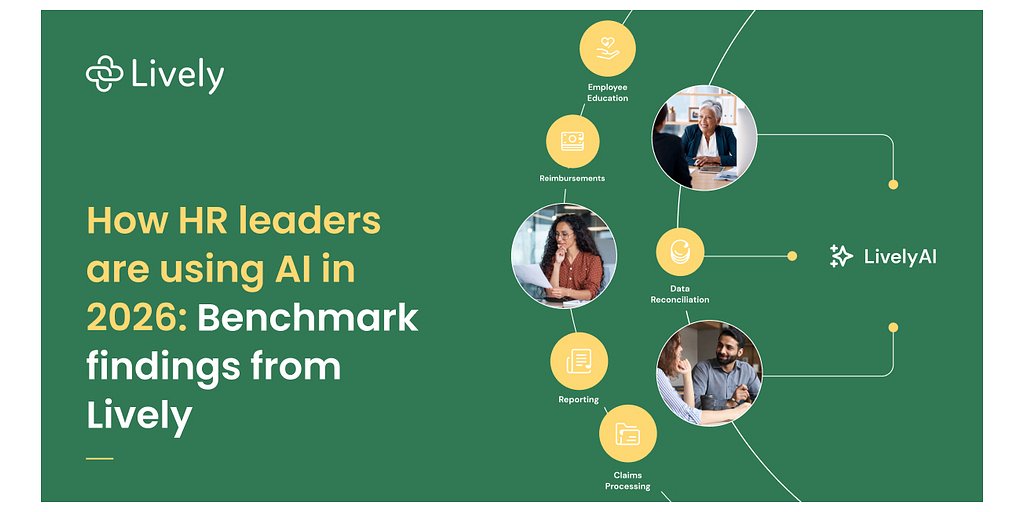
Challenges cited include a relentless cycle of manual data reconciliation across fragmented systems, constant employee education, and the processing of reimbursements and claims. This is precisely the kind of structured, repeatable work where AI is poised to make its most immediate impact. Industry analysis supports this, showing that up to 60% of traditional HR tasks are ripe for automation. By deploying AI to handle these workflows, companies can create a powerful proving ground for the technology's value, demonstrating a clear return on investment by freeing up thousands of hours annually.
From Hype to Reality: A Call for Outcomes and Transparency
While optimism is high—with 71% of leaders feeling optimistic about AI—it is tempered by a healthy dose of realism born from past technology cycles. HR departments have weathered decades of software promising efficiency but delivering more complexity and siloed systems. Consequently, leaders are not just buying into the AI hype; they are demanding tangible outcomes.
The report underscores that successful AI adoption in 2026 hinges on solutions that are deeply integrated, demonstrably reduce workloads, and operate with unimpeachable transparency. This is especially critical given the sensitive nature of the data involved. The introduction of AI into benefits administration directly involves employee health and financial information, placing it under the purview of strict regulations like HIPAA in the United States.
Furthermore, with global regulations like the EU's AI Act classifying HR systems as "High-Risk" and mandating explainability to prevent bias, the pressure on vendors is immense. HR leaders are now rightfully demanding that any AI solution comes with robust data security protocols, clear compliance with regulations like GDPR and CCPA, and transparent documentation of how automated decisions are made. The era of the "black box" algorithm is over; trust and transparency are the new currencies for successful AI implementation.
The Rise of the AI-Powered HR Professional
The integration of AI is not leading to an empty HR office but is instead forging a new kind of HR professional—one who is more strategic, data-literate, and focused on high-impact human interaction. As routine tasks are automated by what some experts are calling "agentic AI" or "superagents," the role of the HR generalist evolves. These new AI systems can conceptualize and execute complex, multi-step workflows with minimal human oversight, from orchestrating a new hire's entire onboarding process to validating payroll across multiple countries.
This shift allows HR professionals to transition from process administrators to strategic business partners. Their focus can move to interpreting the rich people-analytics data served up by AI, identifying skill gaps within the organization, and designing proactive reskilling programs. This aligns with a broader industry pivot toward a skills-first ecosystem, where AI helps map an organization's talent capabilities in real-time, treating the workforce as a dynamic portfolio of skills rather than a rigid hierarchy of job titles.
Ultimately, the story of AI in HR for 2026 is one of focused augmentation. By automating the burdensome tasks that have historically consumed their time, AI is not diminishing the role of human resources. Instead, it is liberating HR professionals to perform the strategic, empathetic, and creative work that no algorithm can replicate, enabling them to operate at the level modern organizations demand.