
- 50+ satellite partners providing hyper-multispectral data
- 2.5 billion parameters trained in AI models for analysis
- Days instead of months for site selection process
Experts view RIFFAI's AI-driven platform as a transformative tool for accelerating renewable energy development by automating site selection and reducing costs, though it faces competition in the growing geospatial AI sector.
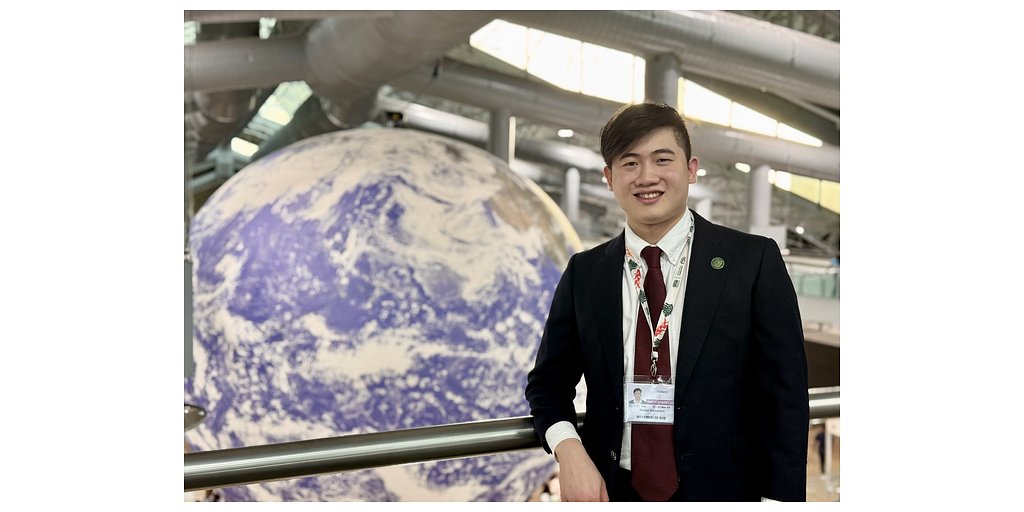
AI from Above: RIFFAI Aims to Remap the Global Energy Landscape
SINGAPORE – June 02, 2026 – As the global race to build out renewable energy infrastructure intensifies, a critical bottleneck remains stubbornly in place: the slow, expensive, and often imprecise process of finding the right place to build. Many promising clean energy projects wither on the vine, stalled by the sheer complexity of site selection. This week, however, a Singaporean startup named RIFFAI is set to demonstrate a potential solution at the Echelon 2026 tech conference, showcasing a platform that uses artificial intelligence and a torrent of satellite data to pinpoint the next generation of energy development sites from orbit.
Founded in 2024 by Kolatat Katousano, a satellite data expert with a formidable background in energy operations at Schneider Electric and The Crown Estate, RIFFAI operates on a simple but powerful premise: intelligence at the project's foundation is the key to unlocking clean energy at scale. The company is tackling what it calls the "under-optimized" early stages of project development, applying sophisticated AI to a problem that has traditionally relied on costly and time-consuming ground surveys. The goal is to transform a high-stakes guessing game into a data-driven science.
The Planetary Lens on a Terrestrial Problem
At the heart of RIFFAI’s platform is the ability to translate the silent, sprawling imagery captured by satellites into clear, actionable intelligence. The company works with hyper-multispectral data from a network of over 50 satellite partners, feeding this information into AI models trained on a staggering 2.5 billion parameters. This process allows for a level of analysis that is virtually impossible to achieve on the ground.
“We are seeing new generations of satellite data process and space influence on industry-agnostic applications that will help us understand intelligence decision making in planetary scale,” said Kolatat Katousano, Founder and CEO of RIFFAI. This new paradigm moves beyond simple mapping, enabling the AI to detect subtle environmental changes, identify potential risks, and evaluate land suitability with unprecedented accuracy.
For an energy developer, this means the ability to rapidly screen vast territories for ideal solar farm locations by analyzing solar irradiance, terrain slope, and soil composition. It means identifying optimal corridors for onshore and offshore wind power by modeling wind patterns, seafloor topography, and proximity to grid infrastructure. The platform can even be applied to site hyperscale data centers, another energy-intensive sector where location is paramount. By automating this initial screening, the technology promises to dramatically cut costs and accelerate timelines, turning a months-long process into a matter of days.
From Bottleneck to Blueprint
The need for such a solution is acute. The renewable energy industry is grappling with a shrinking inventory of easily developable sites, increasingly complex permitting processes, and a growing demand for rigorous environmental due diligence. “AI enables a consistent, unbiased evaluation across vast areas, which is crucial for reducing soft costs and derisking projects in the early screening phase,” noted one industry analyst not affiliated with the company. These tools can flag potential conflicts with sensitive habitats, hydrological features, or existing infrastructure long before a survey team ever sets foot on the ground.
While RIFFAI is not alone in this burgeoning field of geospatial AI—with firms like FlyPix AI and Envision Digital also offering solutions—its approach is notably ambitious. The Singaporean startup is building what it describes as a “command and control system for energy companies,” a platform for real-time monitoring and mission-critical management that extends beyond initial site selection. This positions the company less as a niche tool and more as a foundational intelligence layer for the entire energy sector.
This deep focus on energy is a strategic starting point. “To move toward this vision, we are starting with a focused strategy,” Katousano stated. “Today, we are building deep domain expertise in the energy sector, helping countries and companies identify renewable resources, optimize infrastructure planning, and accelerate transition more efficiently toward sustainable systems.”
Singapore's Deep Tech Gambit
RIFFAI’s emergence is a testament to Singapore’s concerted effort to cultivate a world-class deep tech ecosystem. A recent graduate of the TECHBITE accelerator program, the company embodies the fusion of specialized expertise and bold, global ambition that the city-state aims to foster. Katousano’s experience managing energy assets for major players like Schneider Electric and The Crown Estate provides the venture with invaluable industry credibility and a nuanced understanding of the real-world problems developers face.
This blend of corporate know-how and startup agility allows the company to navigate the complex intersection of space technology, AI, and energy policy. By positioning itself as a key enabler of the green transition, RIFFAI is not only building a business but also contributing to a key strategic priority for nations worldwide, making it an attractive player in the high-stakes world of climate tech investment.
The Invisible Infrastructure of Tomorrow
While its current focus is firmly on energy, RIFFAI’s long-term vision extends far beyond. The company aims to become the “global engine that processes all Earth observation data,” creating a future where space technology serves as an invisible infrastructure supporting daily decisions across a spectrum of industries.
“Satellites used to be something far above our heads, but these insights from space are becoming a practical part of everyday decision-making for commercial and civilian applications,” Katousano added. The platform’s underlying technology is inherently versatile. The same models that identify soil quality for a solar farm could be adapted to monitor crop health for agriculture, track deforestation for climate science, or manage urban development. The company has already demonstrated this potential through its participation in a program to develop AI-powered solutions for monitoring ocean plastic waste in the Asia-Pacific region.
To realize this expansive vision, RIFFAI is heavily investing in scalable AI models, multi-satellite integration, and global data partnerships. The strategy is to build a platform so robust and accessible that its intelligence becomes as foundational to modern industry as global internet connectivity. Each partnership brings the company closer to a world where satellite intelligence is as accessible and influential as global internet connectivity.