
- €24.8 billion: Adidas' 2025 sales, highlighting its scale before this partnership.
- 1 billion downloads: Brawl Stars' global reach among Gen Z and Gen Alpha.
- 3-phase rollout: In-game event (June 18–July 2), phygital fashion collection (August 1), and live fan event (June 20–21).
Experts would likely conclude that this partnership represents a strategic blueprint for brands to engage younger demographics by merging digital gaming culture with physical retail, setting a new standard for omnichannel engagement.
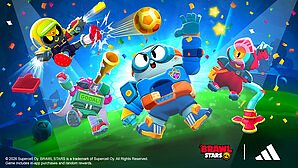
Adidas & Brawl Stars: The New Playbook for Phygital Commerce & Youth Culture
HELSINKI, FINLAND – June 18, 2026 – In a move that signals a definitive shift in global brand strategy, sportswear behemoth Adidas and mobile gaming powerhouse Supercell have launched a multi-phase collaboration centered around the billion-download-strong title, Brawl Stars. The partnership, announced today, transcends a simple marketing campaign, weaving together digital gameplay, physical apparel, and a real-world fan event. This initiative represents more than a crossover; it is a meticulously crafted blueprint for how major brands will court the next generation of consumers by blurring the lines between their digital and physical lives.
This isn't just about placing a logo in a game. It's a strategic convergence designed to create a continuous brand ecosystem where fans can play as their favorite characters in Adidas gear, wear those same designs in the real world, and celebrate the shared culture at live events. For strategists observing the 2026 landscape, this partnership offers a critical case study in the evolution of omnichannel retail and the rising cultural dominance of the gaming industry.
The Strategic Convergence of Gaming and Apparel
At its core, the collaboration is a potent alignment of strategic imperatives for both companies. For Adidas, which posted €24.8 billion in sales in 2025, this move is a powerful execution of its "Own the Game" strategy. The company has been vocal about its push to build direct-to-consumer (DTC) relationships and double its e-commerce revenue, with a sharp focus on capturing the loyalty of younger, digitally-native demographics. By partnering with Brawl Stars, a game with a massive global footprint among Gen Z and Gen Alpha, Adidas moves beyond traditional athlete endorsements to engage consumers in the digital arenas where they spend hours of their time. This is not just about selling sneakers; it's about embedding the three-stripe brand into the very fabric of youth culture.
On the other side, Supercell's strategy has always been to create "forever games" that maintain player engagement for years. This is achieved through a sophisticated model of LiveOps (live operations) that consistently introduces new content, events, and compelling partnerships. Collaborations with major intellectual properties are a cornerstone of this approach, proven to drive both short-term monetization and long-term community loyalty. The Adidas partnership elevates this model, extending the Brawl Stars universe beyond the screen. As one industry analyst noted, "These collaborations are a key lever for Supercell to not only keep the current player base engaged but to attract massive new audiences who might come for the brand but stay for the game."
From Pixels to Pavement: A Multi-Pronged Fan Experience
The partnership is rolling out across three distinct but interconnected phases, each designed to maximize engagement. The first is the 'adidas Starr Cup,' an in-game event running from June 18 to July 2. It transforms the game's fan-favorite Brawl Ball mode into 'Super Ball,' a hypercharged football battleground complete with new mechanics like defensive 'Keeper Bots' and powerful 'Charged Shots.' In a clever nod to the concurrent FIFA World Cup26™, players will compete using the TRIONDA, the tournament's official match ball. Most importantly, players can unlock exclusive adidas-branded skins for their Brawlers—the game's first-ever skin collaboration with an apparel brand.
Next, the digital experience translates into tangible fashion with the 'Starr Drop Unlocked' collection, launching August 1. Available in junior sizing, the line reimagines iconic Brawl Stars characters like Spike, Leon, and Edgar across tees, hoodies, and classic Adibreak track pants. The collaboration extends to footwear, with the legendary Samba and Superstar sneakers receiving character-themed makeovers featuring unique textures, bold colors, and collectible lace charms. This "phygital" approach, where digital items have physical twins, creates a powerful feedback loop of desire and collectability. A second collection is already slated for 2027, signaling a long-term commitment.
Finally, the collaboration comes to life in the physical world. On June 20 and 21, Brawl Stars will take over a pitch at the adidas Home of Soccer fan event in Brooklyn Bridge Park, New York. This pop-up invites fans into an immersive experience with interactive gameplay zones, exclusive merchandise, and giveaways, providing a physical touchpoint to foster community and strengthen brand affinity in a way that digital-only interactions cannot.
Redefining Youth Culture and Brand Loyalty
This partnership is a masterclass in understanding the modern consumer, for whom identity is fluid across digital and physical realms. For Gen Alpha, having an exclusive adidas skin for their favorite Brawler can be as significant a status symbol as owning a limited-edition pair of sneakers. This collaboration doesn't just cater to that reality; it commercializes it. By creating desirable items in both worlds, the brands build a deeper, more holistic relationship with their audience.
Authenticity is the crucial ingredient. As observers of the space frequently point out, younger consumers are acutely aware of inauthentic marketing ploys. The success of this venture hinges on its perception as a genuine cultural intersection rather than a forced corporate marriage. The careful integration of gameplay mechanics, the thoughtful character-inspired designs, and the timing with a global sporting event all point to a deep understanding of both gaming and sneaker culture. It's this perceived authenticity that transforms a simple purchase into an act of cultural participation.
The New Competitive Arena: Beyond Traditional Endorsements
The Adidas and Brawl Stars partnership does not exist in a vacuum. It is the latest high-profile example in a rapidly accelerating trend of gaming-fashion convergence. Competitors like Nike have made significant inroads with Fortnite, while luxury houses from Louis Vuitton to Balenciaga have partnered with titles like League of Legends. What this demonstrates is that engaging with the gaming ecosystem is no longer an experimental marketing tactic but a competitive necessity for any brand seeking relevance with the next generation.
For a legacy brand like Adidas, this represents a fundamental evolution of its playbook. While multi-million dollar contracts with star athletes remain a pillar of its strategy, partnerships with digital icons and gaming platforms provide access to a different, yet equally passionate and influential, global community. As Supercell continues to build out its own brand ecosystems, including a recently revamped esports partnership with BLAST, the value and reach of these collaborations will only intensify, solidifying their place as a core component of modern global brand strategy.