
- 98% reduction in NOx emissions and 97% reduction in particulate matter with electric TRUs compared to diesel counterparts.
- $5,000 annual savings per TRU from reduced fuel consumption.
- 100% zero-emission TRUs required in California by 2029 under CARB regulations.
Experts agree that ACT’s Polarlink represents a critical advancement in cold chain electrification, offering substantial environmental and economic benefits while aligning with stringent regulatory mandates.
ACT’s Polarlink Powers the Shift to a Greener Cold Chain
FOUNTAIN VALLEY, CA – December 02, 2025
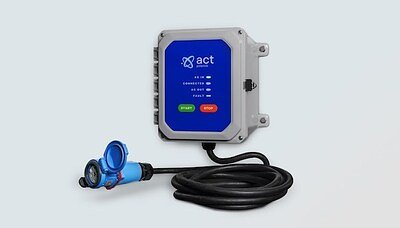
A pivotal shift is underway in the logistics that underpin global health. Advanced Charging Technologies (ACT) has announced the launch of Polarlink, a connected shore power system for Transport Refrigeration Units (TRUs), marking another significant step in the decarbonization of the cold chain. While seemingly an industrial hardware release, the implications are profound, particularly for the pharmaceutical and biotechnology sectors that rely on an unbroken, temperature-controlled supply chain for everything from vaccines to biologics.
Polarlink is designed to provide a reliable electric power source for refrigerated trailers while they are parked at distribution centers, cold-storage facilities, and logistics yards. By allowing these units to run on grid electricity instead of their integrated diesel engines, the system directly targets the industry's long-standing challenges of high fuel costs, significant greenhouse gas emissions, and disruptive noise pollution. This move comes at a critical time, as market forces and stringent new regulations converge to accelerate the electrification of commercial fleets.
The Regulatory Push Toward Electrification
The transition to electric TRU operation is no longer a matter of choice but a pressing requirement, especially in key markets like California. The California Air Resources Board (CARB) has become a powerful catalyst with its 2022 amendments to the Airborne Toxic Control Measure (ATCM) for TRUs. These regulations are among the most aggressive in the world and are creating a mandatory market for solutions like Polarlink.
Beginning in late 2023, CARB mandated that truck TRU fleet owners begin transitioning to zero-emission technology, requiring at least a 15% turnover of their California-based fleet each year. The goal is a complete conversion to 100% zero-emission truck TRUs by the end of 2029. Furthermore, the rules impose stricter particulate matter emission standards for new trailer TRUs and require the use of refrigerants with a lower global warming potential. This regulatory framework effectively puts an expiration date on the industry's reliance on traditional diesel-powered refrigeration.
To soften the financial impact of this transition, state and federal bodies have rolled out a suite of powerful incentives. Programs like California's Clean Off-Road Equipment Voucher Incentive Project (CORE) and the Hybrid and Zero-Emission Truck and Bus Voucher Incentive Project (HVIP) offer significant point-of-sale discounts and grants to reduce the upfront cost of purchasing electric equipment. Additionally, the Low Carbon Fuel Standard (LCFS) program allows facilities to generate and sell credits by using electricity for TRUs, creating an ongoing revenue stream that can help offset infrastructure upgrade costs. This combination of regulatory pressure and financial support is rapidly reshaping the economic calculus for fleet operators.
Economic and Environmental Dividends
Beyond regulatory compliance, the business case for electrifying parked TRUs is compelling. The most immediate benefit is the drastic reduction in fuel consumption. With diesel prices remaining volatile, eliminating engine idling can translate into substantial operational savings, with some industry estimates suggesting savings of over $5,000 per year for a single TRU. This is complemented by significantly lower maintenance costs, as electric operation avoids wear and tear on the complex and costly diesel engines, extending the longevity of the equipment.
From an environmental and public health perspective, the benefits are even more pronounced. A single diesel-powered TRU can emit high levels of nitrogen oxides (NOx) and particulate matter (PM2.5), pollutants linked to respiratory and cardiovascular diseases. Independent studies on electric and solar-electric TRU systems have shown emissions reductions of up to 98% for NOx and 97% for particulate matter compared to their diesel counterparts. For communities located near distribution hubs and logistics centers, the shift also means a dramatic reduction in noise pollution, improving quality of life and enabling facilities to consider 24-hour operations with less neighborhood disruption.
Smart Infrastructure for a Connected Cold Chain
ACT's Polarlink enters a competitive landscape where established players like Thermo King and Carrier Transicold are also advancing their own electric and hybrid TRU technologies. However, ACT is carving out a critical niche by focusing on the enabling infrastructure. Polarlink is not a refrigeration unit itself but the intelligent link that connects the TRU to the grid.
Delivering 25 kW of output power, the system is engineered for continuous duty in demanding environments. Its NEMA 3R weatherproof enclosure ensures reliable performance against rain, dust, and extreme temperatures ranging from –40°C to +50°C. This durability is essential for maintaining the integrity of temperature-sensitive pharmaceuticals and biologics, where even a brief power interruption can lead to the loss of millions of dollars in product.
What sets Polarlink apart is its integration with the ACTview cloud platform. This cellular-enabled connectivity transforms the power pedestal from a simple utility outlet into a smart, manageable asset. Through ACTview, facility operators can gain real-time visibility into energy consumption, remotely monitor operational status, and generate automated reports. This data is invaluable for managing cost recovery in multi-tenant facilities, tracking sustainability metrics, and making informed decisions to optimize energy use across an entire fleet. As Michael K. Nelson, President of ACT, stated in the announcement, the goal is to provide a system that “eliminates diesel use during idle operation, supports continuous performance, and enhances operational efficiency for fleets.”
As the global healthcare industry continues to produce more complex and temperature-sensitive therapies, the reliability and sustainability of the cold chain become paramount. The electrification of transport refrigeration is a critical component of this evolution. Solutions like Polarlink provide the robust and intelligent infrastructure necessary to power this transition, helping ensure that vital medicines are delivered safely and efficiently while meeting the urgent environmental and economic demands of the modern logistics landscape.