
- $500M mortgage fraud scheme: Robert Morgan and associates were indicted in 2019 for alleged fraud, reshaping his empire.
- 15,000 units acquired: Morgan Properties took over a massive portfolio from Morgan Communities post-indictment.
- People-centric development: Morgan advocates for stability, collaboration, and non-displacement in urban renewal.
Experts would likely conclude that while Robert Morgan's philosophy of equitable development aligns with modern urban planning best practices, its credibility is significantly undermined by his history of financial misconduct, requiring careful scrutiny from stakeholders.
A Developer's Blueprint for Urban Renewal or Reputation Rehab?
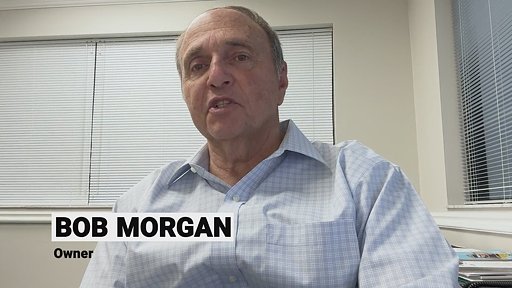
ROCHESTER, NY – June 15, 2026 – In the high-stakes world of real estate development, narratives are as valuable as blueprints. A compelling vision can secure financing, win over communities, and build a legacy. This week, a potent narrative emerged from Robert “edvertising” platform HelloNation, featuring veteran Rochester developer Robert “Bob” Morgan. In it, Morgan outlines a philosophy of community revitalization that prioritizes people over property, stability over speed, and collaboration over conquest. It’s a powerful, timely message in an era when the term “development” is often met with suspicion.
Morgan’s pitch, detailed in a sponsored article, is a masterclass in modern, conscientious capitalism. He argues that true revitalization isn’t about erecting new structures but reinforcing the existing fabric of a neighborhood. “Lasting impact comes from stability, collaboration, and respect for the character of existing neighborhoods,” Morgan states. He frames his work as a responsibility, not just a strategy, focusing on upgrading buildings while keeping residents in place and partnering with local nonprofits. For investors and executives searching for growth signals, this people-centric approach appears to be a clear indicator of a sustainable, long-term business model. But as with any signal, its strength depends entirely on the context—and the noise surrounding it.
Beyond Bricks and Mortar
At its core, the philosophy championed by Morgan taps directly into the growing consensus around equitable development. For decades, urban renewal projects were often criticized for a top-down approach that displaced long-term residents in favor of more affluent newcomers—a process now widely understood as gentrification. Morgan’s stated method offers a compelling alternative.
His focus on reintroducing stability in communities that have “faced years of disinvestment” by converting vacant lots into dependable housing and upgrading older buildings without displacing tenants aligns perfectly with best practices advocated by urban planners. The emphasis on humility and listening to residents “who have sustained neighborhoods through difficult times” directly addresses the historical lack of trust between developers and communities. “Revitalization should not overwrite neighborhoods but reinforce them,” Morgan emphasizes. This perspective positions a developer not as an invader, but as a partner in fostering community resilience.
This model is not merely altruistic; it’s a potentially powerful business strategy. In a market increasingly sensitive to Environmental, Social, and Governance (ESG) criteria, a developer who can successfully build without displacing can unlock new streams of capital and garner significant political and community goodwill. As one urban policy analyst notes, “Development without displacement is the holy grail. The firms that crack that code won’t just be successful; they will redefine the industry for the next generation.”
A Signal Complicated by Static
However, this forward-looking philosophy is presented against a complex and challenging backdrop for the Rochester-based developer. A growth signal can be distorted by static, and the history of Morgan’s enterprises contains significant interference. While the HelloNation piece presents Robert Morgan as the owner of Morgan Communities, it omits the turbulent events of recent years that fundamentally reshaped his empire.
In May 2019, Robert Morgan, his son, and two other employees of what was then known as Morgan Management LLC were indicted by a federal grand jury on wire fraud and bank fraud charges related to an alleged half-billion-dollar mortgage fraud scheme. Following the indictment, a separate, unrelated company named Morgan Properties acquired a massive portfolio of approximately 15,000 units from the Pittsford-based Morgan Communities. This context is not just a footnote; it is a critical piece of the puzzle for any analyst or investor evaluating the current narrative.
The philosophy of trust, stability, and long-term responsibility, while laudable, stands in stark contrast to the serious allegations of financial misconduct. For stakeholders, this raises difficult questions. Is the newly promoted people-centric philosophy a genuine evolution in thinking, perhaps forged through personal and professional crisis? Or is it a sophisticated reputational-rebuilding campaign designed to pivot away from a troubled past? The signal is not clean. It carries the weight of a history that cannot be ignored, making it a potent case study in the separation of a corporate message from corporate history.
The Medium is the Message
This complex narrative is delivered through an equally modern and complex medium: HelloNation. The platform positions itself as a purveyor of “edvertising,” a hybrid model that blurs the lines between journalism, expert commentary, and marketing. By replacing banner ads with expert-driven editorial content, HelloNation aims to build trust by providing valuable information. Professionals work with its journalistic team to produce articles that, in the company's own words, function as “journalism first and marketing second.”
HelloNation’s model is a powerful signal in its own right, reflecting a broader shift in how influence is built. The platform has garnered significant institutional credibility, boasting partnerships with the U.S. Conference of Mayors and the National League of Cities, which use the service to highlight community leaders. It provides a structured, high-quality outlet for local experts to bypass traditional media gatekeepers and speak directly to their audience.
For a figure like Robert Morgan, this platform is the perfect vehicle. It allows his philosophy to be presented by a credible-seeming third party, wrapped in the language of community empowerment and expert insight. The “edvertising” format bestows a journalistic sheen on what is, ultimately, a sponsored message. This isn't a criticism of the model itself, which is transparent about its approach, but an analysis of its function. It is an effective tool for shaping public discourse, particularly for individuals and companies navigating complex reputational challenges. The platform successfully launders a strategic message into educational content, leaving it to the reader to perform the final due diligence.
Ultimately, the story of Robert Morgan’s revitalization philosophy is a microcosm of the modern business landscape. It highlights a genuine and necessary shift toward more equitable development while simultaneously demonstrating the power of strategic communications to shape perception. The signal being broadcast is clear: a commitment to community is the future of real estate. But for savvy executives and investors, the real work lies in analyzing the source of that signal, understanding the static that surrounds it, and questioning the medium that delivers it.