
- $42 million: Projected public savings over 20 years from energy modernization
- $33 million: Cost of the energy modernization project
- 3.1 megawatts: Solar photovoltaic systems installed across 12 schools
Experts would likely conclude that this project sets a replicable model for public-private partnerships, demonstrating how districts can achieve sustainability and financial savings through strategic energy modernization.
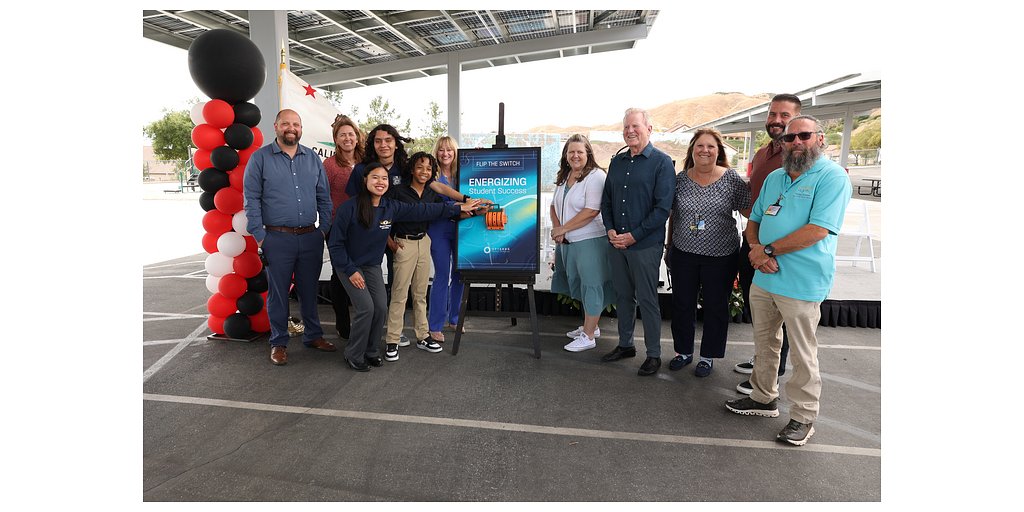
Yucaipa Schools Turn Green Tech into $42 Million in Public Savings
YUCAIPA, CA – April 13, 2026 – The Yucaipa-Calimesa Joint Unified School District (YCJUSD) has just completed a landmark $33 million energy modernization project, transforming its 14 school campuses into models of efficiency and sustainability. In a strategic partnership with OPTERRA Energy Services, the district has managed to fund critical infrastructure upgrades not with new taxes, but through future energy savings, a move projected to net over $42 million for the district over the next two decades.
This comprehensive initiative, which began in 2023, addresses aging infrastructure, reduces the district's carbon footprint, and integrates hands-on learning opportunities for students. The project's completion marks a significant achievement for the Inland Empire district, demonstrating a financially astute approach to public infrastructure development that other districts are watching closely.
“This project represents a major step forward for our District,” said Cathy Bogh, President of the YCJUSD Board of Education. “We are proud to invest in modern, efficient, and sustainable facilities that directly benefit our students and staff, all while being responsible stewards of taxpayer dollars. This partnership has allowed us to improve our schools for the current community of students and teachers, while planning responsibly for growth into the future.”
The Financial Blueprint for a Greener Future
At the heart of the YCJUSD project is a performance-based energy contract, a financial model that allows public entities to undertake major upgrades with little to no upfront cost. Instead of issuing bonds or raising taxes, the $33 million investment is financed against guaranteed future energy savings. OPTERRA Energy Services, the district's partner, guarantees that the energy cost reductions will be sufficient to cover the project's costs over time.
This model effectively shifts the financial risk from the taxpayers to the energy services company (ESCO). The projected $42 million in net savings over 20 years represents money that will go back into the district's general fund after the project costs are paid, freeing up resources for educational programs, teacher salaries, and other student-focused needs. The financial strategy was further bolstered by securing over $5 million in federal grants through the Inflation Reduction Act (IRA), which provides significant incentives for clean energy projects in the public sector.
By leveraging this combination of a performance contract and federal grants, YCJUSD has created a replicable blueprint for fiscal responsibility. This approach is gaining traction across California, where many of the state’s nearly 3,000 solar-powered schools have used similar mechanisms to navigate budget constraints while pursuing ambitious sustainability goals. The state actively supports such efforts through programs like the California Energy Commission's K-12 Energy Efficiency Program (KTEP), which provides guidance and financing to help districts overcome the initial hurdles of modernization.
Modernizing Campuses for Efficiency and Resilience
The physical transformation across the district is extensive. The project included the installation of 3.1 megawatts of solar photovoltaic systems across 12 schools, primarily as carports in parking lots, which will generate clean electricity on-site and significantly reduce reliance on the utility grid. This renewable energy generation is expected to slash the district's annual energy consumption by nearly 8 million kWh.
Beyond solar power, the initiative tackled long-standing infrastructure needs. Aging and inefficient heating, ventilation, and air conditioning (HVAC) systems were replaced with modern, high-efficiency units, improving air quality and comfort in classrooms. Every interior and exterior light fixture across 14 sites was upgraded to energy-saving LED technology, enhancing safety and learning environments while lowering electricity and maintenance costs. Yucaipa High School’s sports fields also received lighting improvements, and critical electrical transformers were replaced to bolster campus-wide energy reliability.
To ensure these systems deliver on their promise, the partnership includes a 20-year operations and maintenance program managed by OPTERRA. This long-term commitment guarantees the performance and upkeep of the new equipment, protecting the district's investment and ensuring that the projected savings are realized for years to come. This comprehensive approach directly addresses the challenge many districts face with aging facilities that drain budgets through high utility and repair bills.
Powering Student Futures in Sustainability
Perhaps the most innovative aspect of the YCJUSD project is its direct integration with the district's educational mission. The initiative goes beyond infrastructure to cultivate the next generation of green-collar professionals. A key component is a student internship program that provided high schoolers with direct, hands-on experience in the energy and sustainability fields. These students contributed to the project and were formally recognized by the YCJUSD Board of Education with Certificates of Achievement, validating their real-world contributions.
Led by OPTERRA’s in-house education team, the program also includes the development and distribution of custom-designed STEAM (Science, Technology, Engineering, Art, and Math) learning kits for all elementary schools. Aligned with the district's curriculum, these kits provide teachers with tangible tools to engage younger students in concepts of energy, engineering, and environmental stewardship. This linkage turns the district's own buildings and energy systems into a living laboratory for learning.
By connecting infrastructure upgrades to workforce readiness, YCJUSD is helping to equip its 8,600 students with the skills needed for California's growing green economy. This holistic vision sets a new standard for how public works projects can deliver layered community benefits, simultaneously improving facilities, saving money, and enriching education.
A Replicable Model for Public-Private Partnership
The success in Yucaipa is emblematic of a broader trend where public-private partnerships are becoming essential for large-scale infrastructure renewal. OPTERRA Energy Services, an LS Power company with a history of over 9,000 public sector projects and $3 billion in guaranteed savings for its clients, brought the technical expertise and financial backing that many school districts lack in-house.
“Our team is so proud to support YCJUSD’s vision for future success through the successful completion of our project together this spring,” said Courtney Jenkins, CEO of OPTERRA Energy Services. “YCJUSD’s leadership demonstrates how school districts can take a proactive, strategic approach to modernizing facilities while delivering measurable financial and environmental benefits.”
This model has been successfully deployed in other California districts. In the Chula Vista Elementary School District, a similar partnership led to an 8.1-megawatt solar project projected to save over $70 million. In San Marcos, OPTERRA is helping the district electrify its school bus fleet and build resilient energy infrastructure. These examples underscore the effectiveness of the ESCO model in helping public entities achieve ambitious sustainability and financial goals that would be unattainable on their own.
As school districts across the nation grapple with aging buildings and tight budgets, the Yucaipa-Calimesa project stands as a powerful case study in strategic investment, proving that it is possible to build a more sustainable and financially secure future for students and taxpayers alike.