
- 2026 Shift: Yosemite eliminates park-wide Peak Hour Reservation system, replacing it with real-time traffic management.
- Tech Upgrades: New digital ticketing and Wi-Fi connectivity at Big Oak Flat entrance to streamline visitor access.
- Visitor Impact: 2025 data showed park often operated below capacity, justifying the change.
Experts view Yosemite's shift to real-time traffic management and tech-driven solutions as a balanced approach to improve visitor experience while preserving park resources, though some conservationists caution against potential congestion risks.
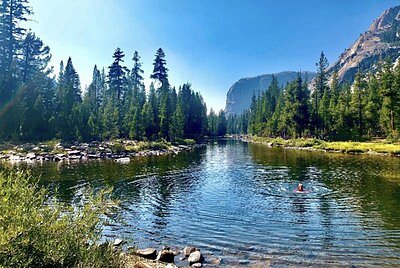
Yosemite Scraps Reservations, Bets on Tech and Traffic Tech for 2026
GROVELAND, CA – February 27, 2026 – Yosemite National Park is charting a new course for visitor access, announcing a significant overhaul that eliminates the park-wide Peak Hour Reservation system for 2026. In its place, the park will pioneer a combination of real-time traffic management, streamlined digital ticketing, and enhanced connectivity, aiming to balance unfettered access with the preservation of its iconic landscapes.
The move, a departure from the timed-entry requirements of recent years, signals a major shift in how one of America’s most beloved national parks will manage the millions who flock to its granite cliffs and sequoia groves. The changes are the result of a collaborative effort between park leadership and regional partners, including the hospitality group First Light Resorts, which operates three popular lodges at the park's doorstep.
A New Strategy for Access and Congestion
The centerpiece of the new plan is the replacement of the advance reservation system with a dynamic, real-time traffic management strategy. For years, visitors planning a trip during peak seasons had to navigate a competitive online portal to secure a coveted entry slot. While the system was credited with reducing gridlock in the notoriously congested Yosemite Valley, it was also criticized for hindering spontaneous travel and creating barriers for last-minute visitors.
Under the new 2026 plan, visitors will no longer need advance vehicle reservations. Instead, park officials will actively manage traffic flow based on real-time conditions. This strategy, according to the National Park Service (NPS), will involve temporary traffic diversions and active parking management, particularly when key areas like Yosemite Valley approach capacity. The decision was informed by a comprehensive analysis of 2025 traffic data, which indicated that on many days, the park operated well within its capacity, suggesting a season-wide reservation requirement was no longer the most effective tool.
“These refinements, driven by the park's new leadership in collaboration with local experts, will together allow Yosemite visitors to have a better experience than ever this year,” noted Lee Zimmerman, CEO of First Light Resorts, in a press statement. He praised the park's “renewed commitment to working closely with Yosemite gateway communities to innovate creative solutions.”
However, the change is not without its critics. Some conservation leaders have voiced concerns that eliminating the reservation system could reverse progress made in managing visitor impact, potentially leading to a return of the hours-long traffic jams and overflowing parking lots that once plagued the park. They argue that unchecked visitor numbers could strain park infrastructure and damage fragile natural resources. In response, park officials are urging visitors to plan ahead, arrive early in the day, and consider visiting on weekdays to avoid the busiest periods.
The Digital Gateway: Tech-Driven Improvements
Supporting the shift away from reservations are two key technological upgrades designed to streamline the visitor journey from home to the park entrance. First, Yosemite has fully embraced online ticketing. Visitors can now go to Recreation.gov to purchase weekly entry tickets and annual park passes in advance. This digital pass system allows travelers to bypass the transaction process at entrance stations, a move expected to significantly reduce delays and long lines during peak arrival times.
Second, in a novel public-private partnership, Wi-Fi connectivity is now available at the Big Oak Flat/Highway 120 West entrance. The system, designed and maintained by First Light Resorts, provides a crucial link for visitors entering the park. For the first time, travelers can use the Wi-Fi upon arrival to download maps, check for real-time traffic alerts, confirm lodging reservations, and get the latest updates on road and trail conditions. This initiative directly addresses the challenge of limited cell service in the remote region, empowering visitors with information at a critical point in their journey.
A Model of Collaboration and Dispersal
The new Wi-Fi hub is a tangible result of the collaborative approach Yosemite is fostering. First Light Resorts provides the technical infrastructure and maintenance, while the tourism bureau Visit Tuolumne County supplies timely content and updates for visitors. This synergy between a private enterprise, a government agency, and a regional tourism body is being hailed as a potential model for other national parks grappling with similar challenges.
This spirit of cooperation extends to managing visitor distribution. To complement the new traffic strategy, a coalition of regional supporters has developed an "Explore Beyond Yosemite Valley" map. The initiative actively encourages visitors to discover the park’s vast and varied landscapes outside the 7-square-mile Valley. By highlighting attractions in areas like Tuolumne Meadows, Wawona, and Hetch Hetchy, the park and its partners hope to naturally disperse crowds, alleviate pressure on the most popular spots, and enrich the visitor experience by revealing more of Yosemite's hidden gems.
For local businesses like First Light Resorts—which has operated properties like Evergreen Lodge, Rush Creek Lodge & Spa, and the new Firefall Ranch for over two decades—guiding visitors through these changes is part of their mission. They are positioning themselves not just as places to stay, but as experienced partners in navigating the park's next chapter.
Ultimately, the success of Yosemite's 2026 experiment will depend on a delicate interplay between operational agility and visitor behavior. By trading a rigid reservation system for a flexible, tech-infused strategy, the park is placing a bet on adaptive management and the willingness of its visitors to become more informed, prepared, and adventurous explorers of this national treasure.