
- 90% reduction in transportation-related greenhouse gas emissions for ice production
- Zero water waste in the manufacturing process (vs. 50% loss in conventional methods)
- Plastic-negative packaging: 2 pounds of plastic waste removed for every 1 pound used
Experts would likely conclude that Winn-Dixie's localized ice production initiative represents a highly effective, multi-faceted sustainability solution with measurable environmental benefits and strong business value.
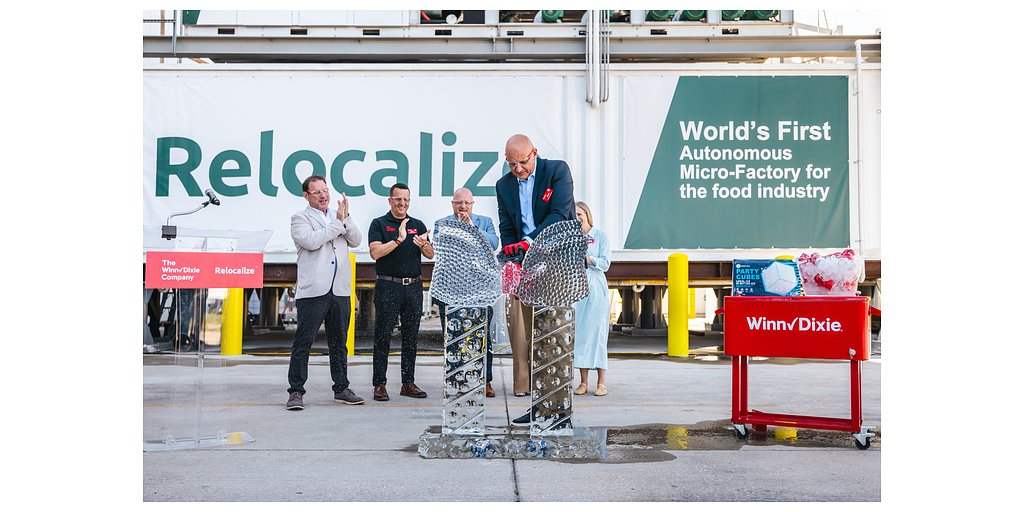
Winn-Dixie's Cool Move: Local Ice Factories to Cut Carbon Footprint
JACKSONVILLE, FL – April 22, 2026 – In a significant move to reshape its environmental footprint, The Winn-Dixie Company today announced a suite of sustainability initiatives headlined by a groundbreaking technological partnership. The centerpiece is the launch of an autonomous ice micro-factory at its Plant City distribution center, a venture with Canadian tech firm Relocalize that promises to dramatically reduce transportation emissions, water waste, and plastic pollution.
This Earth Day announcement signals a strategic pivot for the Florida-based grocer, moving beyond conventional green initiatives into advanced, localized manufacturing. The new facility, which produces SE Grocers Party Cubes, is already operational, with products available at the newly remodeled Temple Terrace Winn-Dixie. The company plans a swift expansion to other stores across the Tampa Bay area, with the potential for a statewide rollout.
The Ice Revolution: A Closer Look at Micro-Manufacturing
The technology at the heart of this initiative is Relocalize's RELO micro-factory, a fully autonomous, containerized production unit. Described as a "plug-and-play" system, the compact factory integrates the entire production cycle—from water purification and freezing to packaging and robotic palletizing—into a single, self-contained module. This allows Winn-Dixie to produce packaged ice on-demand, directly at the point of distribution.
Leveraging robotics and AI, these micro-factories can operate 24/7 with minimal human intervention. The process uses a specialized freeze technology to create clear, consistent ice cubes, which are then vacuum-sealed in packaging certified as plastic-negative. This on-site model represents a radical departure from the traditional, centralized manufacturing system, which involves producing ice at a large, distant facility and then shipping the heavy, frozen product across hundreds of miles.
By decentralizing production to the distribution hub, Winn-Dixie effectively eliminates what is known as the "middle-mile" of the supply chain. This step, which typically involves long-haul trucking from a central factory to a regional warehouse, is a major source of cost, logistical complexity, and carbon emissions for heavy consumer goods like ice.
Quantifying the Green Impact
The environmental claims associated with the micro-factory are substantial. Winn-Dixie and Relocalize project that localizing ice production will reduce transportation-related greenhouse gas emissions for the product by up to 90%. Some industry analyses of the technology suggest this figure could even reach as high as 97% by completely removing trucks from this leg of the supply chain.
The benefits extend beyond emissions. The manufacturing process itself is designed for efficiency, reportedly generating zero water waste, a stark contrast to the 50% water loss common in conventional ice production. Furthermore, the packaging for the SE Grocers Party Cubes is certified plastic-negative. This means that for every pound of plastic used in the bags, the program funds the removal and recycling of two pounds of plastic waste from the environment, creating a net positive impact.
This multi-pronged approach to sustainability—tackling emissions, water conservation, and plastic pollution simultaneously—positions the initiative as a comprehensive solution rather than a singular improvement. It reflects a growing trend where consumers and regulators demand tangible proof of environmental impact, moving beyond simple claims to verifiable, data-backed results.
A Greener Strategy in a Competitive Market
Winn-Dixie's investment in hyper-local manufacturing is not just an environmental play; it's a strategic move in the fiercely competitive grocery sector. While retail giants like Walmart pursue broad, long-term goals such as achieving net-zero operations by 2040 through initiatives like Project Gigaton™, Winn-Dixie's targeted investment in a specific, high-impact technology offers a more immediate and visible differentiator.
This strategy also carries significant financial incentives. Relocalize, which has raised over $17 million in funding to scale its platform, claims its micro-factories can cut retailer costs by over 20% and deliver overall savings of up to 30% on the product. By reducing reliance on a volatile and expensive transportation network, the grocer can build a more resilient and cost-effective supply chain. This fusion of ecological benefit and economic efficiency presents a powerful business case for sustainable innovation.
Anthony Hucker, Chairman and CEO of The Winn-Dixie Company, framed the initiative within the company's century-long legacy. “Earth Day is a powerful reminder that serving our neighbors also means protecting the environment we all share,” he stated. “We are committed to doing our part through thoughtful actions that reduce waste, conserve resources and help preserve our natural spaces for future generations.”
Beyond the Factory: A Community-Focused Commitment
While the ice micro-factory represents a high-tech leap forward, Winn-Dixie is simultaneously reinforcing its commitment to sustainability through a range of community-level programs. The company continues to encourage customers to opt for digital receipts and circulars, reducing paper consumption while offering savings through its rewards program.
To combat hunger and plastic waste, the grocer's Community Bag Program will donate $1 to Feeding America® for every specially designed $2.99 reusable bag sold through the end of 2026. This initiative directly links a sustainable consumer choice with a pressing social need.
Furthermore, the company is significantly expanding its ecoATM program, which provides kiosks for responsibly recycling old cell phones. Currently available in 14 stores, the program has already diverted over 36,000 pounds of e-waste from landfills and prevented more than 4,000 tons of CO₂ emissions, paying out over $3 million to customers for their old devices. This initiative provides a convenient and incentivized way for shoppers to participate in the circular economy.
The grocer’s commitment is also demonstrated through direct action. This year alone, Winn-Dixie employee volunteers have conducted eight beach cleanups across Florida, removing more than 1,200 pounds of trash from vital coastlines like Bahia Honda State Park and Historic Virginia Key Beach Park. These efforts underscore the 'hometown grocer' identity, showing a hands-on dedication to preserving the natural beauty of the communities it serves.