
- 54% of girls aged 5 to 13 find the idea of becoming an adult 'scary' (GSUSA study).
- Anxiety peaks at 62% among girls aged 8 to 10.
- 85% of girls look up to role models for what they can do, not how they look.
Experts agree that girls' fear of adulthood stems from societal pressures, economic instability, and digital culture, but mentorship and skill-building can mitigate these anxieties.
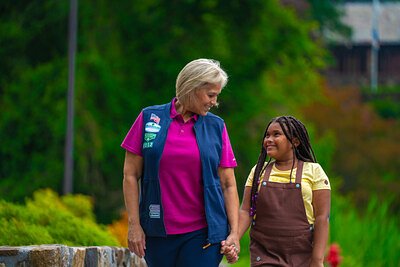
Why Most Girls Say Adulthood is Scary—And How to Help
NEW YORK, NY – April 14, 2026 – The prospect of growing up, once a source of childhood excitement, is now viewed with apprehension by a majority of young girls in the United States. A new study from Girl Scouts of the USA (GSUSA) reveals a startling statistic: more than half (54%) of girls aged 5 to 13 find the idea of becoming an adult "scary."
This anxiety isn't uniform; it intensifies significantly as girls age. While 41% of those aged 5 to 7 express this fear, the number jumps to 62% for girls between 8 and 10, and remains high at 60% for the 11-to-13 pre-teen cohort. The findings, based on a survey of 1,000 U.S. girls, paint a picture of a generation grappling with a future that feels more daunting than promising.
A Generation's Growing Anxiety
The Girl Scouts' data does not exist in a vacuum. It reflects a broader, well-documented crisis in youth mental health, one that disproportionately affects girls. Recent data from the Centers for Disease Control and Prevention (CDC) shows a persistent trend of elevated sadness and hopelessness among female students. Experts term this phenomenon "future anxiety," a pervasive sense of dread tied to economic instability, climate concerns, and the relentless pace of societal change.
"This data confirms what we've long understood: girls are coming of age in a world that's changing faster than ever, and they're carrying the weight of that change while still trying to be kids," said Bonnie Barczykowski, CEO of GSUSA, in the organization's press release.
This weight is compounded by a constant stream of information about global and national challenges, creating a landscape where the certainties of previous generations have been replaced by profound ambiguity. For many young girls, the traditional milestones of adulthood now seem fraught with obstacles rather than opportunities.
The Pressure of a Curated World
A significant factor contributing to this anxiety is the hyper-connected, visually driven world of social media. While offering avenues for connection, these platforms often present a distorted reality, promoting unrealistic standards of perfection for appearance, achievement, and lifestyle. This creates an environment of constant comparison that can be particularly damaging to developing self-esteem.
The GSUSA survey offers a telling counterpoint to this pressure. An overwhelming majority of girls (85%) reported that they look up to role models for what they can do and accomplish, rather than for how they look (15%). This suggests a deep-seated desire for substance over style, for authenticity in a world saturated with curated images. Girls are seeking mentors who demonstrate competence, resilience, and purpose—qualities often obscured in the highlight reels of social media feeds. The pressure to maintain a perfect online persona while navigating the real-world complexities of adolescence contributes significantly to the feeling that adulthood is an impossibly high bar to clear.
Mentors and Skills as an Antidote
In response to these sobering statistics, the Girl Scouts organization is emphasizing a solutions-oriented approach centered on the power of mentorship and practical skill-building. The data suggests that while the fear of adulthood is widespread, it is not insurmountable. The presence of supportive, reliable adults can serve as a powerful buffer against anxiety, helping girls build the confidence they need to face the future.
"It's so important for girls to have supportive adults in their lives — like Girl Scout volunteers — who can help them navigate the world around them, build confidence and develop skills that stay with them as they grow," Barczykowski stated.
To this end, GSUSA has outlined a framework for adults and caregivers to empower the girls in their lives:
* Normalize uncertainty: Reframe the future not as a test with right and wrong answers, but as an opportunity for discovery. Help girls understand that no adult has it all figured out.
* Teach practical skills: Equip girls with tangible, real-world tools in areas like financial literacy, decision-making, and effective communication to build a sense of competence and agency.
* Create low-risk opportunities: Foster supportive environments where girls can experiment, take on leadership roles, and learn from failure without fear of harsh judgment. This builds resilience.
* Model healthy pathways: Provide relatable examples of how to manage responsibilities, pursue goals, and prioritize well-being, demonstrating that adulthood can be balanced and fulfilling.
* Emphasize purpose over perfection: Shift the focus from achieving flawless outcomes to making meaningful contributions and defining success on their own terms.
This guidance aims to demystify adulthood, breaking it down from a monolithic, scary concept into a series of manageable challenges and achievable goals.
A Unified Front for Youth Well-Being
The Girl Scouts' focus on mentorship and Social-Emotional Learning (SEL) principles is part of a larger movement among youth development organizations. Groups like the Boys & Girls Clubs of America, Girls Inc., and the YMCA are also intensifying their efforts to address the youth mental health crisis through similar strategies.
These organizations are increasingly integrating trauma-informed care and mental health education into their core programming. Girls Inc.'s "Mind+Body" program, for example, teaches girls coping strategies for stress through mindfulness and creativity. Likewise, the Boys & Girls Clubs have made SEL a foundational element, helping children manage emotions and build healthy relationships. This sector-wide consensus underscores the critical importance of creating safe spaces where young people can connect with trusted mentors and develop the emotional resilience needed to thrive.
By providing hands-on experiences and access to a network of supportive adults, these programs aim to counteract the anxieties of the modern world. They offer a tangible alternative to the isolation that can come from a primarily digital existence, proving that community and shared experience remain a potent force for building optimism and strength in the next generation. The challenge is significant, but the path forward is rooted in the simple, powerful act of showing up for kids and equipping them with the tools they need to shape their own futures with confidence.