
- 90% reduction target: Whirlpool aims to cut greenhouse gas emissions by 90% by 2050, validated by the Science Based Targets initiative (SBTi).
- 2030 milestones: 65% reduction in operational emissions (Scope 1 & 2) and 25% reduction in emissions from product use (Scope 3, Category 11).
- Renewable energy progress: 80% of global operational electricity matched with renewable sources in 2025.
Experts would likely conclude that Whirlpool's SBTi-validated targets position it as a leader in corporate climate action, demonstrating a scientifically rigorous and comprehensive approach to decarbonization across operations, products, and supply chains.
Whirlpool Ups Climate Goals with New Science-Backed 2050 Target
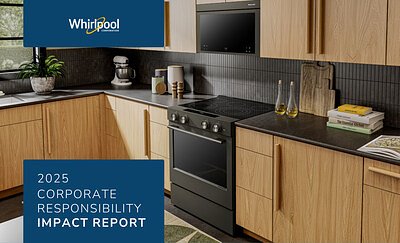
BENTON HARBOR, Mich. – March 11, 2026 – Whirlpool Corporation today reinforced its commitment to environmental stewardship, announcing a new set of aggressive greenhouse gas (GHG) emissions reduction targets, including a long-term goal to achieve a 90% reduction by 2050. The updated goals, which have been validated by the Science Based Targets initiative (SBTi), were unveiled alongside the company's 2025 Corporate Responsibility Impact Report, detailing measurable progress in its sustainability journey.
The announcement marks a significant escalation of the appliance manufacturer's climate ambitions, positioning it among a group of global corporations aligning their strategies with the latest climate science to limit global warming. The new targets establish a clear roadmap for decarbonization across the company's vast operations and, crucially, the entire lifecycle of its products.
"Sustainability remains core to our company's future," said Marc Bitzer, chairman and CEO of Whirlpool Corporation, in a statement. "In 2025, we made meaningful progress lowering emissions across our operations and delivering innovative, efficient products that help families save money and use less energy and water every day. Our work reflects our belief that product performance, affordability and sustainability are fundamentally connected, and that belief drives us to continuously improve and create better products for our customers."
A New Benchmark for Emissions Reduction
At the heart of the announcement are updated near-term and new long-term targets, all benchmarked against a 2021 baseline. By 2030, Whirlpool commits to:
- Reducing its direct and indirect operational emissions (Scope 1 and 2) by 65%.
- Reducing emissions from the use of its sold products (Scope 3, Category 11) by 25%.
Looking further ahead, the company has set a new milestone for 2050: reducing its Scope 1, 2, and key Scope 3 emissions by 90%. The inclusion of Scope 3, Category 1 (Purchased Goods and Services) in this long-term target is particularly noteworthy, signaling a commitment to address emissions deep within its supply chain, a notoriously complex challenge for manufacturers.
The validation by SBTi lends significant credibility to these goals, confirming they are consistent with the level of decarbonization required to meet the goals of the Paris Agreement. This independent verification distinguishes the company's pledges from mere corporate aspiration, grounding them in scientific rigor.
"Our updated, independently validated targets align with the latest science and build on our progress to enable practical, business-balanced emissions reductions across our operations, products and supply chain," stated Beat Stocker, senior director of global sustainability at Whirlpool Corporation.
Progress Paves the Way for Ambition
Whirlpool's new targets are built on a foundation of tangible achievements detailed in its 2025 Corporate Responsibility Impact Report. The company reported a 6% reduction in market-based Scope 1 and 2 emissions from 2024, contributing to an impressive 57% total reduction since 2021.
A key driver of this progress is the company's aggressive renewable energy strategy. In 2025, Whirlpool matched 80% of its global operational electricity consumption with renewable sources. This was achieved through a mix of long-term Virtual Power Purchase Agreements (VPPAs) that fund wind and solar farms, direct contracts for renewable energy in regions like Mexico and Brazil, and on-site generation from wind turbines and solar panels at its facilities. This diversified approach is critical to its goal of reaching 100% renewable electricity usage across its operations.
Beyond its factory walls, the company highlighted several other initiatives, including the launch of over 100 new energy- and water-efficient products, the development of a certified refurbished appliance pilot in the U.S. to promote a circular economy, and its ongoing 27-year partnership with Habitat for Humanity, now focused on building 50 net-zero-energy-ready homes.
Navigating a Competitive Green Landscape
Whirlpool's announcement does not happen in a vacuum. The global appliance industry is seeing a surge in sustainability commitments as consumer preferences and regulatory pressures mount. Competitors like Samsung, LG, and Bosch have all established their own net-zero or carbon neutrality goals. Samsung aims for net-zero across its entire value chain by 2050, while LG has a 2030 carbon neutrality target for its operations.
However, Whirlpool's specific, SBTi-validated targets for 2030 and its comprehensive 2050 goal place it in a strong leadership position. The 25% reduction target for emissions from product use by 2030 directly addresses the largest portion of an appliance maker's carbon footprint, a challenge the entire industry faces. This focus on Scope 3 emissions is a critical differentiator and reflects a mature understanding of corporate climate responsibility.
From the Factory Floor to the Family Kitchen
The most significant impact of Whirlpool's strategy will ultimately be felt in homes around the world. The company's commitment to reducing emissions from the use of its products (Scope 3) necessitates a relentless focus on innovation in energy and water efficiency. This translates directly into lower utility bills for consumers and a smaller environmental footprint for households.
The launch of more than 100 new efficient products in 2025, including advanced induction cooktops and smart washing machines with AI-driven resource management, exemplifies this strategy in action. These products, often certified by programs like Energy Star, provide independently verified savings. An Energy Star certified refrigerator, for example, is at least 15% more efficient than standard models, while a certified washer uses about 25% less energy and 33% less water.
This synergy between corporate climate goals and consumer benefit forms the core of the business case for sustainability. By investing in research and development to create more efficient appliances, Whirlpool not only makes progress toward its 2030 and 2050 targets but also strengthens its market position with products that offer tangible value. This journey builds upon a legacy of environmental firsts for the company, which set its first global GHG reduction target back in 2003, and demonstrates a continued evolution to meet the pressing challenges of today.
Topics & Related
Consumer & Retail
Circular Economy
Net Zero
Decarbonization
Revenue
Net Income
Related Company Pulse