
- 50+ severe hail reports in a single hour during a March 10 storm near Lena, Illinois, and West Branch, Iowa.
- 250+ hail reports in Iowa in April 2026, the highest monthly total since 2004.
- 14 confirmed tornadoes in Iowa on May 17-18, 2026.
Experts agree that the severe weather of 2025-2026 has exposed the vulnerabilities of aging roofs and poor installation practices, making proactive maintenance and timely replacements essential to prevent costly damage in an era of increasingly extreme weather.
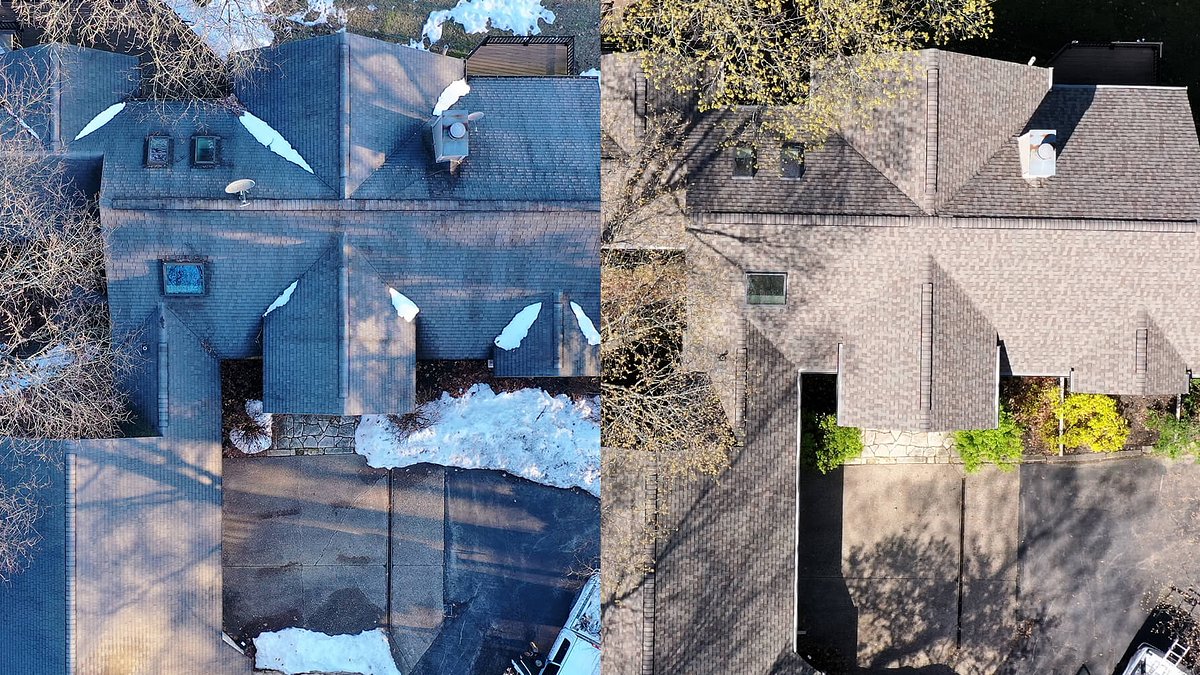
Vicious Storms Force Urgent Roof Replacements Across Illinois
STOCKTON, IL – May 21, 2026 – A relentless barrage of severe winter and spring weather has forced a day of reckoning for thousands of homeowners across Northwest Illinois and Northeast Iowa, turning long-delayed roofing decisions into urgent, costly emergencies. A volatile season marked by heavy snow, destructive ice dams, record-breaking hailstorms, and multiple tornado outbreaks has exposed the vulnerability of the region's aging housing stock, overwhelming local contractors and leaving many residents scrambling for repairs.
A Season of Extremes
The crisis began with a winter that forecasters had predicted would be harsh. The 2025-2026 season started with a roar, with areas like Rockford seeing more snow by early December than in the entire previous winter. This heavy snow load, combined with repeated freeze-thaw cycles, created the perfect conditions for ice dams—thick ridges of ice at the edge of roofs that prevent melting snow from draining. The trapped water then seeps under shingles, causing hidden leaks that can saturate insulation and rot roof decking.
The winter's slow-motion assault was followed by a spring of shocking violence. A series of powerful supercells tore through the region, unleashing a torrent of severe weather. On March 10, a storm system dropped baseball-sized hail near Lena, Illinois, and West Branch, Iowa, with the National Weather Service's Quad Cities office logging over 50 severe hail reports in a single hour. Just over a month later, on April 17, an EF2 tornado carved a path of destruction near Lena, while other powerful twisters struck Wisconsin. The month of April went on to set a record for hail in Iowa, with over 250 reports of large hail—the highest monthly total since 2004. The onslaught continued into May, with at least 14 confirmed tornadoes touching down across Iowa on May 17-18 alone.
For many homeowners, this confluence of extreme weather was the final straw. "A lot of homeowners had already looked at replacing the roof sometime within the next couple years, but they were taking their time with estimates and trying to hold off a little longer," said Matthew Acevedo of Stockton-based Elevated Roofing. "What changed this year was the weather. Once ice damming, thawing, wind-driven rain, hail, and spring storms started exposing active leaks inside the home, many people realized waiting another season was no longer realistic."
The Price of Procrastination
The surge in demand for new roofs is not merely a story of storm damage, but one of deferred maintenance meeting its inevitable consequence. According to industry experts, many of the roofing systems now failing were installed 15 to 20 years ago, during the building boom of the early and mid-2000s. These asphalt shingle roofs are now reaching the end of their natural service life, a fact many homeowners had been monitoring with plans for future replacement.
Before the storms, signs of aging were often subtle: a few missing shingles, minor granule loss, or a small, easily ignored stain on a ceiling. However, the intense wind-driven rain and hail from this spring's storms exploited these minor weaknesses, turning them into major points of water intrusion. Roof inspections across the region are now revealing widespread failures around chimneys, skylights, pipe vents, and valleys—areas where aging materials and sealants are most likely to break down.
The consequences of these failures extend far beyond the roof itself. Water penetrating attic spaces can lead to destructive mold growth, compromise structural integrity, and result in thousands of dollars in interior damage to ceilings, walls, and personal belongings. For many, the cost of waiting has now far exceeded the cost of proactive replacement, forcing them into a strained and backlogged market.
An Unforgiving Inspector Exposes Flaws
The severe weather has also acted as an unforgiving inspector, exposing years-old installation defects that had remained hidden under otherwise functional shingles. Local contractors report a recurring pattern of failures stemming from improper craftsmanship during original construction or previous re-roofing projects.
Among the most common issues are improperly installed flashing, the metal pieces designed to channel water away from critical joints. Inspectors are frequently finding incorrect chimney counter-flashing, insufficient overlap in roof valleys, and a dangerous overreliance on caulk and sealants as a primary water barrier instead of proper mechanical flashing techniques. These shortcuts, often invisible from the ground, can hold up under normal conditions but fail catastrophically when subjected to the stresses of wind-driven rain and ice buildup.
"The combination of winter conditions followed by tornadoes, hailstorms, and strong spring storms pushed a lot of homeowners from simply monitoring the roof to actively scheduling replacement work," Acevedo noted. "A lot of what we're finding now involves installation details that homeowners would never realistically see from the ground." These discoveries highlight a systemic issue in residential construction, where cutting corners on unseen details can create a ticking time bomb that only detonates under extreme duress.
A Market Under Pressure
The sudden, region-wide demand has pushed the local roofing industry to its limits. Contractors who were booking projects one to two weeks out in 2025 are now reporting wait times of more than 30 days. Companies like Elevated Roofing have seen their completed installation projects nearly double in the first part of 2026 compared to the previous year.
This "roofing rush" has created a bottleneck, with homeowners facing long waits for both initial inspections and the subsequent replacement work. Many are still navigating complex insurance claims related to the spring storms, often with temporary tarps serving as their only defense against further rain. The pressure is on to complete permanent repairs before another severe storm rolls through, or before the next winter season brings the renewed threat of ice and snow.
This intense period of weather-driven demand offers a potential glimpse into the future for the Midwest. As climate patterns continue to shift, bringing the potential for more frequent and intense weather events, the cycle of damage and repair is likely to accelerate. For homeowners and the construction industry alike, the events of 2026 serve as a stark reminder that in an era of changing climate, proactive maintenance is no longer a choice, but a critical necessity.