
- 100% tax exemption on crypto-related income and transactions for individuals and legal entities until January 1, 2029.
- 3 officially registered platforms in Uzbekistan, including Asterium, licensed to operate as crypto custodians, stores, and exchanges.
- Strategic partnerships with major Uzbek digital payment platforms (Rahmat) and banking partners (Octobank) for seamless crypto transactions.
Experts view Uzbekistan's regulated crypto integration as a pioneering model that balances innovation with strict oversight, offering valuable insights for global digital asset adoption.
Uzbekistan's Crypto Leap: Pay for Coffee and Flights with Digital Coins
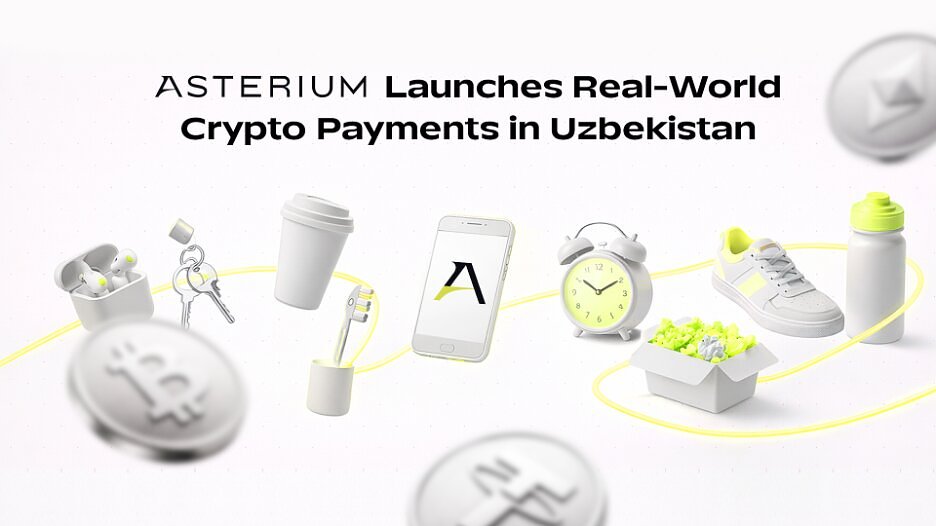
TASHKENT, UZBEKISTAN – April 23, 2026 – The world of cryptocurrency, often seen as a volatile realm of digital speculation, is finding a new, practical home in Uzbekistan. In a significant move for Central Asia, licensed fintech platform Asterium has launched a service that allows residents to pay for everyday goods and services—from a morning coffee to airline tickets—using digital assets. This initiative moves cryptocurrencies out of the abstract world of online trading and into the tangible economy of cafes, retailers, and travel agencies.
Through a network of strategic partnerships, Asterium users can now settle bills at local cafes and restaurants via integration with Rahmat, a major Uzbek digital payment platform. The scope extends to travel, with payments for airline tickets on carriers like Centrum Air and Qanot Sharq now possible through merchants connected to Octobank. The company has announced ambitious plans to scale further, targeting mass-market retail and e-commerce with upcoming integrations that include large CIS retailers and a major Uzbek supermarket chain.
“The next phase of crypto — its utility,” said Nadejda Cotsaga, CCO of Asterium, in a statement. “We are making crypto assets usable in everyday life, from food and travel to retail, unlocking real economic activity beyond trading.”
A Regulated Revolution
This groundbreaking step is not happening in a regulatory vacuum. Instead, it is the direct result of Uzbekistan's deliberate and unique strategy to become a regional hub for the regulated digital asset industry. The country has cultivated a framework that is both progressive in its embrace of blockchain technology and exceptionally strict in its implementation, a combination that sets it apart from many other nations.
At the heart of this system is the National Agency for Perspective Projects (NAPP), the sole government body responsible for overseeing the entire crypto sector. NAPP's mandate is comprehensive, covering the licensing of all Virtual Asset Service Providers (VASPs), including exchanges, custodians, and crypto-shops like Asterium. The agency enforces stringent Anti-Money Laundering (AML) and Know Your Customer (KYC) protocols that align with international standards, effectively prohibiting anonymous transactions and mandating that all user wallets be linked to verified identities.
This top-down control creates a tightly managed ecosystem. A key rule mandates that Uzbek residents can only buy, sell, or transact with cryptocurrencies through these nationally licensed providers; using foreign exchanges is strictly forbidden and carries legal penalties. While restrictive, this policy ensures that all crypto activity occurs within a monitored environment. To sweeten the deal and spur adoption, the government has enacted a major incentive: a complete exemption from taxes on all crypto-related income and transactions for both individuals and legal entities, valid until January 1, 2029.
From Digital Wallets to Shopping Carts
The primary barrier for widespread merchant adoption of cryptocurrency globally has been its notorious price volatility. A business accepting Bitcoin for a service could see the value of that payment drop significantly within hours. Asterium’s model directly addresses this challenge by providing a full-stack infrastructure that shields merchants from this risk.
The platform handles the entire backend process—settlement, compliance, and technical integration—while instantly converting the crypto payment into the local currency, the Uzbek som, for the merchant. This allows businesses to tap into a new, tech-savvy customer base without being exposed to the complexities and financial risks of holding digital assets. For the consumer, the experience is designed to be as seamless as using any other digital payment app, turning a speculative asset into a practical tool for daily commerce.
This shift from “HODLing”—the crypto-enthusiast term for holding assets for long-term appreciation—to active spending is the core of Asterium's value proposition. By integrating with established payment gateways like Rahmat and banking partners like Octobank, the company is embedding itself into the existing financial fabric rather than attempting to replace it entirely. This pragmatic approach is crucial for building trust and encouraging widespread use among a population that is still developing its understanding of digital finance.
Building a New Financial Bridge
Asterium's ambitions extend far beyond facilitating daily payments. The company is positioning itself as a foundational pillar in Uzbekistan's emerging digital economy, building end-to-end infrastructure designed to bridge the gap between traditional finance and the world of blockchain. The payment service is just one component of a broader, full-stack crypto-financial ecosystem.
The firm holds multiple licenses from NAPP, allowing it to operate as a crypto custodian, a crypto store, and a full-fledged cryptocurrency exchange—one of only three officially registered platforms in the country. This enables it to manage the entire lifecycle of a digital asset, from its purchase on an exchange to its secure storage and eventual use in a real-world transaction.
Furthermore, Asterium is a key contributor to the national blockchain ecosystem, including the Mirasmanda platform, which facilitates the regulated issuance of asset-backed tokens. This foray into tokenization, with examples like the Humo Token and AUZ, signals a deeper strategy to digitize real-world assets and integrate them into the financial system for payments, savings, and cross-border use cases. This vision paints a future where blockchain technology underpins a more efficient and interconnected financial infrastructure.
Navigating the Path to Mainstream Adoption
Despite the sophisticated regulatory framework and technological infrastructure, the path to mainstream crypto adoption in Uzbekistan is not without its challenges. A significant hurdle is the relatively low level of financial and crypto literacy among the general public. For many potential users, the concepts of digital assets, volatility, and wallet security remain complex and unfamiliar, which could slow down the pace of adoption.
The competitive landscape is also a factor. While the regulated crypto space is nascent, the broader digital payments market is dominated by established fintech players like Payme and Click, which already offer popular and user-friendly services for QR payments and transfers. Asterium must not only convince merchants of its benefits but also persuade consumers to try a new payment method in a market with trusted incumbents.
Ultimately, Uzbekistan’s bold experiment is a closely watched test case. It seeks to answer a critical question facing economies worldwide: can a volatile and decentralized asset class be safely and effectively integrated into a national economy through strong, centralized regulation? As Uzbeks begin to buy their groceries and book their flights with digital currency, the results of this initiative will offer valuable lessons for policymakers and financial innovators across the globe.