
- 1,200+ applicants from 113 countries competed in the FoodTech Challenge, with HyveGeo winning a share of US$2 million in prize money.
- HyveGeo's technology can reduce soil regeneration time from 5 years to just 1 month.
- The company aims to restore 10,000 hectares of land and remove 1 million tons of CO₂ by 2035.
Experts view HyveGeo’s bio-tech solution as a groundbreaking approach to combating desertification and food insecurity, offering a scalable model for climate-smart agriculture in arid regions.
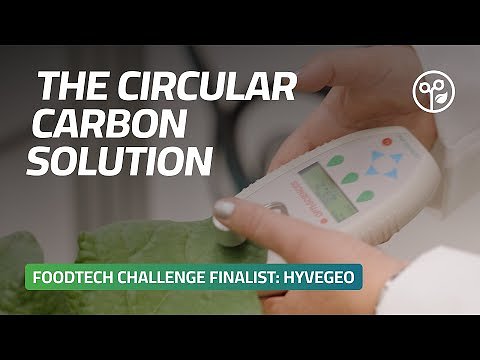
UAE Startup HyveGeo to Green the Desert with Prize-Winning Bio-Tech
ABU DHABI, UAE – January 19, 2026 – In a landmark moment for climate-smart agriculture, Abu Dhabi-based startup HyveGeo has been named a winner of the prestigious global FoodTech Challenge. The company secured the victory for its pioneering technology that converts barren desert soil into fertile, carbon-rich farmland in a fraction of the time required by natural processes.
The announcement was made during a live finale at Abu Dhabi Sustainability Week, where HyveGeo was selected from a field of over 1,200 applicants from 113 countries. As one of four global winners, the homegrown startup will receive a share of a US$2 million prize and extensive ecosystem support to scale its solution from the UAE to other arid regions worldwide. This win is a powerful validation of a technology that sits at the critical intersection of food security and climate action.
Greening the Desert with "Black Gold" and Algae
At the heart of HyveGeo’s innovation is a two-part system designed to rapidly regenerate soil. The process begins by converting agricultural waste, such as residue from local date palm farms, into a highly stable, carbon-rich material called biochar through a high-temperature, low-oxygen process known as pyrolysis. This "black gold" is renowned for its ability to improve soil structure, enhance water retention, and lock away carbon for centuries, preventing its release into the atmosphere.
However, HyveGeo’s unique advantage lies in what happens next. The company "supercharges" this engineered biochar by infusing it with specific strains of microalgae cultivated on unused desert land. These microscopic powerhouses act as potent biostimulants, fixing atmospheric nitrogen, producing growth-promoting hormones, and fostering a healthy microbial environment in the soil. The synergistic combination of biochar's structural benefits and microalgae's biological activity dramatically accelerates soil health. The company claims this integrated approach can slash soil regeneration time from a typical five years down to a single month, a game-changing proposition for arid nations facing urgent food security challenges.
This solution is not just a theoretical concept. HyveGeo already operates a pilot site in Abu Dhabi, where it has successfully processed 800 tons of agricultural waste into 200 tons of biochar, providing tangible proof of its waste-to-value model.
A Catalyst for Climate-Smart Innovation
HyveGeo’s victory is not just a win for the company but also a reflection of the UAE's growing ambition to become a global hub for agri-tech innovation. The FoodTech Challenge, now in its third edition, is a key pillar of this strategy. Organized by the International Affairs Office at the UAE Presidential Court and Tamkeen, the competition boasts high-profile partners including the Gates Foundation, ne'ma (The UAE's National Food Loss and Waste Initiative), and Silal, a leading UAE agri-food company.
The involvement of the Gates Foundation, in particular, highlights the global significance of developing scalable solutions for climate-vulnerable regions. The challenge has a proven track record of nurturing impactful startups; previous winners have collectively raised over $48 million in follow-on funding and launched more than 50 pilot projects. This history demonstrates the competition's role as a powerful accelerator, providing not just capital but also crucial access to research support, market opportunities, and mentorship.
"Winning the FoodTech Challenge is a strong validation of our work," said Abdulaziz Bin Redha, Founder and CEO of HyveGeo, in a statement. "For us, this isn't a finish line but a responsibility to deploy faster and contribute meaningfully to food security in arid environments and the global south. The UAE has provided the right environment to test and scale solutions designed for arid regions, and we are proud to represent that innovation journey."
The Business of Greening: Scaling a Carbon-Negative Future
With significant new funding and backing, HyveGeo is poised for rapid expansion. The company’s vision extends far beyond its pilot site. Its ambitious roadmap includes scaling its technology across Abu Dhabi's 20,000 farms, with a long-term goal of restoring 10,000 hectares of land and removing 1 million tons of CO₂ from the atmosphere by 2035.
The financial injection from the FoodTech Challenge, combined with a recently closed pre-seed funding round led by climate-tech venture fund SystemaNova.vc, provides the necessary capital to move forward. Plans are already underway for a commercial-scale facility capable of processing 40,000 tons of biomass annually, slated to be operational by mid-2026. This facility will be the first step in establishing a network of microalgae-based biorefineries across the GCC and other desert regions.
The business model is built on multiple value streams. Beyond selling the soil amendment product, HyveGeo is positioned to tap into the burgeoning voluntary carbon credit market, projected to reach $50 billion by 2030. Each ton of its biochar can sequester approximately 2.6 tons of CO₂, creating a verifiable and marketable carbon removal credit. This dual-revenue potential makes the company an attractive proposition for investors increasingly focused on climate-positive business models.
However, the path to scaling is not without its challenges. Large-scale deployment will require overcoming significant logistical hurdles, building out robust infrastructure, and securing a sustainable supply of agricultural waste. Furthermore, while the company emphasizes its use of wastewater, managing water resources for large-scale microalgae cultivation in an arid climate will remain a critical operational focus to ensure its long-term sustainability.
A Dual Solution for a Stressed Planet
The global context for HyveGeo's work is stark. According to UN data, around 100 million hectares of healthy land are lost to degradation every year, threatening global crop yields and exacerbating climate change. HyveGeo's technology offers a direct response to this crisis by not only creating new arable land but also actively fighting climate change.
The environmental benefits are multifaceted. By converting agricultural waste that would otherwise decompose and release methane, the process contributes to a circular economy. The final product improves water efficiency in soil, reducing the immense pressure on water resources for irrigation—a critical benefit in one of the world's most water-scarce regions. Most importantly, the stable carbon in biochar represents a durable form of carbon sequestration, effectively turning farms into carbon sinks.
This innovation promises significant social and economic impacts as well, from enhancing national food security and reducing reliance on imports to creating new jobs in a green economy. As HyveGeo prepares to deploy its solution at scale, it carries the potential to serve as a blueprint for transforming arid landscapes across the global south into productive, resilient, and sustainable agricultural ecosystems.