
- 114 injuries and 1 fatality linked to the E-5 error code in Trividia Health's blood glucose meters
- Global impact: Affects millions of users across the U.S., U.K., Mexico, Australia, and the Caribbean
- 2014–2026: Flaw in labeling persisted for over a decade before correction
Experts would likely agree that the delayed correction of the ambiguous E-5 error code labeling represents a significant public health risk, emphasizing the need for clearer, more urgent safety communications in medical devices.
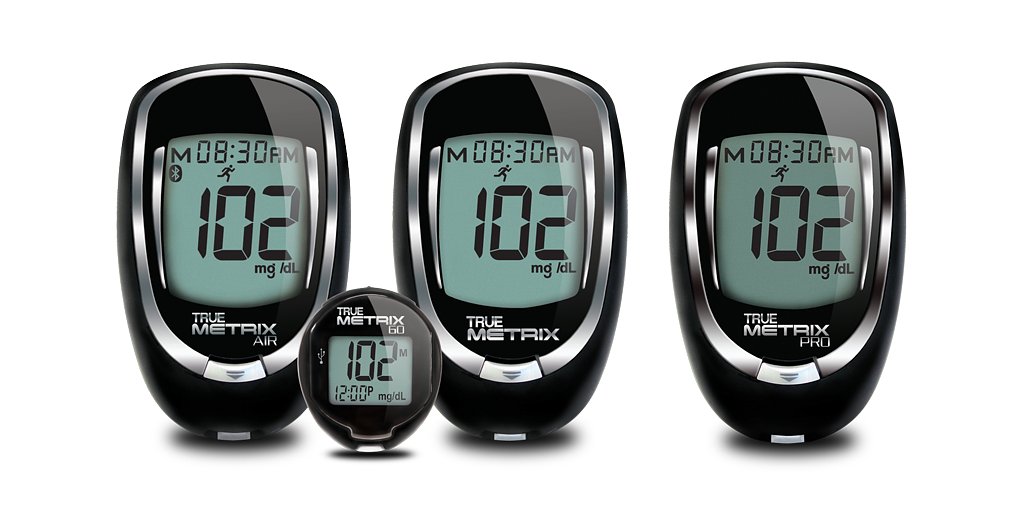
Trividia Health Corrects Meter Labeling After 114 Injuries, One Death
FT. LAUDERDALE, FL – February 06, 2026 – Trividia Health, Inc. has initiated a major labeling correction for its widely used TRUE METRIX blood glucose monitoring systems after the devices were linked to 114 serious injuries and one death. The correction addresses dangerously ambiguous instructions for an error code that can indicate life-threateningly high blood sugar levels, a flaw that the company acknowledges could have led to critical delays in patients seeking emergency medical care.
The action affects all TRUE METRIX, TRUE METRIX AIR, TRUE METRIX GO, and TRUE METRIX PRO models distributed globally since August 2014, impacting potentially millions of users in the United States, United Kingdom, Mexico, Australia, and the Caribbean. The company is updating its user manuals and online guides but is not physically recalling the devices themselves. Users are being told they can continue to use their meters, but must be aware of the updated, more urgent safety instructions.
A Critical Flaw in Communication
The core of the issue lies with the system's "E-5" error code. According to Trividia Health, this message can appear for two vastly different reasons: a simple test strip error, or a dangerously high blood glucose reading exceeding 600 mg/dL. The original user manuals did not sufficiently distinguish between these two possibilities or adequately stress the urgency required in the event of a true medical crisis.
In a public notice, the company stated that the previous instructions "could potentially lead to a delay in treatment if the user does not seek medical attention immediately when they receive an E-5 error code and are experiencing symptoms of high glucose." The consequences of such a delay are starkly outlined in the company's own data, which reports 114 serious injuries and one fatality associated with the E-5 error code since the product line was launched.
The updated instructions now include a stern warning. For consumer devices, the new guidance explicitly states: "WARNING!! Retest with a new test strip. If the error persists and you have symptoms such as fatigue, excess urination, thirst or blurry vision, seek medical attention immediately." This direct and urgent language replaces previous instructions that lacked the same level of immediate alarm, a change that comes years after the first adverse events were reported.
The Medical Emergency Behind the Error Code
A blood glucose reading above 600 mg/dL is not a minor issue; it is a full-blown medical emergency requiring immediate intervention. Such extreme hyperglycemia can trigger two life-threatening conditions: Diabetic Ketoacidosis (DKA) or Hyperosmolar Hyperglycemic State (HHS).
DKA, more common in individuals with type 1 diabetes, occurs when the body, lacking insulin, begins to burn fat for fuel at a rapid rate, producing acidic ketones that can poison the body. HHS, more common in type 2 diabetes, involves extreme dehydration as the body tries to flush out excess sugar through urination. Both conditions can quickly lead to severe dehydration, confusion, organ damage, coma, and death if not treated promptly in a hospital setting.
The symptoms listed in Trividia's new warning—fatigue, excessive thirst, frequent urination, and blurry vision—are classic signs of the body struggling to cope with extreme hyperglycemia. The failure of the original labeling to connect these symptoms with the E-5 error and mandate immediate action left vulnerable patients to interpret a potentially fatal reading as a simple technical glitch.
A "Correction," Not a Recall
Trividia Health has characterized its action as a "labeling correction," and emphasized that "Products are not to be returned or replaced." However, the severity of the potential harm aligns with what the U.S. Food and Drug Administration (FDA) defines as a Class I recall. A Class I recall is the most serious type, reserved for situations where there is a "reasonable probability that the use of or exposure to a violative product will cause serious adverse health consequences or death."
Trividia has notified the FDA of its action, and the agency will likely classify it accordingly in its public databases. This distinction in terminology is significant, as it shapes public perception of the product's safety. While the physical devices may function as intended, the information that governs their use proved to be critically flawed.
For patients and healthcare providers, the key takeaway is that the risk lies not in the meter itself, but in misunderstanding its most critical warning. The company is now tasked with disseminating this new, vital information to a vast and disparate user base.
Reaching Millions of Users
The challenge for Trividia Health is immense. The correction applies to a decade's worth of products sold across numerous countries and retail channels, including co-branded meters sold under store or distribution partner names. A patient who purchased a TRUE METRIX meter from a local pharmacy in 2015 is unlikely to have the original packaging and may never visit the company's website.
The company's strategy involves sending a Product Notice to pharmacies, mail-order companies, and distributors, instructing them to post the notice and forward it to users where possible. It has also created a dedicated page on its website, www.trividiahealth.com/E-5productnotice, with the updated information.
This places a significant burden on the healthcare supply chain to relay the message. It also highlights a persistent challenge in the medical device industry: how to effectively communicate critical safety updates for long-lasting devices long after the initial sale. For millions of people with diabetes who rely on these devices for daily self-management, clear and unambiguous communication is not just a matter of convenience, but a critical component of their health and safety.