
- $5 billion: TotalEnergies' investment in low-carbon energies in 2023
- 40%: Percentage of NHL players supplied by the CHL
- 2026: Year the partnership begins, marking TotalEnergies' entry into Canadian hockey
Experts would likely conclude that while the partnership offers strategic brand exposure and community support, it also raises significant ethical concerns due to TotalEnergies' conflicting environmental commitments and recent legal findings of misleading sustainability claims.
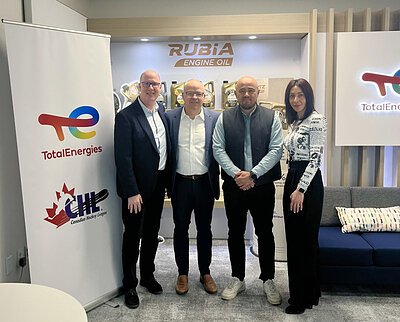
TotalEnergies' CHL Power Play: A Pact of Passion and Scrutiny
MONTREAL, QC – March 18, 2026 – Global energy giant TotalEnergies has officially entered the Canadian hockey arena, announcing a multi-year partnership with the Canadian Hockey League (CHL) set to begin with the 2026 season. The deal positions TotalEnergies Marketing Canada Inc. alongside Canada's premier junior hockey institution, a collaboration officials from both organizations say is rooted in shared values of community, performance, and passion.
The partnership promises to connect the company with millions of hockey fans across North America through activations at marquee events like the Memorial Cup. However, the announcement also places a global energy corporation at the heart of Canada's national pastime, sparking a conversation that extends beyond the rink to encompass business strategy, community impact, and intense environmental scrutiny.
A Strategic Push into the Canadian Arena
For TotalEnergies Marketing Canada, this partnership represents a significant power play in the competitive Canadian market. Operating in Canada since 2007, the subsidiary runs a lubricant blending plant in Montreal and competes against established players like Shell and Petro-Canada in the automotive, industrial, and marine sectors. The Canadian lubricants market, with a projected growth rate higher than that of the United States, is a key target for expansion.
This CHL deal is the latest in a series of strategic moves to bolster its Canadian presence. It follows a 2024 distribution agreement with Boss Lubricants designed to expand its network in Western Canada and plans to acquire a bio-based lubricant facility in 2025 to increase its eco-friendly product capacity. By aligning with the CHL—the world's largest development hockey league, which supplies over 40% of players to the NHL—TotalEnergies aims to embed its brand within Canadian culture and connect directly with a younger demographic.
"This partnership with the CHL reinforces our commitment to growth and performance while supporting our customers and partners," said Stéphane Talleneau, President of TotalEnergies Marketing Canada, in the official announcement. "It also strengthens our presence across Canada--particularly among younger generations--and gives us the opportunity to share key values such as Respect for Others, Solidarity, a Pioneering Spirit, and a Drive for Performance."
The strategy is clear: to leverage the deep emotional connection Canadians have with hockey to drive brand recognition and market share, transforming rink-side visibility into customer loyalty.
Beyond the Boards: Sponsorship and the Soul of Junior Hockey
The CHL is more than just a sports league; it is a sprawling ecosystem of 61 teams across Canada and the United States, deeply integrated into the fabric of their local communities. This new partnership places TotalEnergies within a well-established sponsorship family that includes major brands like Kia, BMO, Under Armour, and Bauer Hockey. These corporate collaborations are vital to the league's operations, funding everything from player development to major events.
Ryan Hudecki, Vice-President of Partnerships for the CHL, framed the agreement as a step toward a more secure future for the sport. "This multi-year partnership will connect TotalEnergies with millions of passionate fans across North America while supporting the development of the next generation of talent in the WHL, OHL, and QMJHL," he stated. Hudecki also noted plans to "collaborate on community-focused initiatives that help keep hockey accessible and thriving."
While specific programs under the new partnership have yet to be announced, both organizations have existing frameworks for community engagement. The CHL runs extensive programs like the "Talk Today" mental health initiative with the Canadian Mental Health Association and provides millions in academic scholarships to its players annually. Globally, TotalEnergies operates the TotalEnergies Foundation, which focuses on youth inclusion and education, and encourages employee volunteerism through its "Action!" program. The potential for synergy exists, but the execution will determine the true community impact.
The 'Sustainable Future' Question
The most contentious aspect of the partnership is the language surrounding sustainability. The press release highlighted a shared goal to "build a sustainable future for hockey," a claim that has drawn immediate attention from observers familiar with the energy sector's role in sports. The deal arrives amid a growing global debate over "sportswashing," where companies with controversial environmental records use sports sponsorships to enhance their public image.
This issue is particularly pointed for TotalEnergies. In October 2025, a Paris judicial court found the company guilty of "misleading commercial practices" related to its environmental messaging. The court ruled that claims of aiming for "carbon neutrality by 2050" and being a "major player in the energy transition" were deceptive to consumers, given the company's simultaneous expansion of oil and gas production. The ruling, which TotalEnergies did not appeal, forced the company to remove the contested statements from its website.
The company maintains it is committed to a multi-energy transition, investing over $5 billion in low-carbon energies in 2023 and setting aggressive targets to reduce emissions from its operations. Yet, it also plans to increase its oil and gas production in the coming years. This duality places the CHL partnership under a microscope. For critics, associating a youth sports league with a fossil fuel giant actively expanding its core business represents a fundamental contradiction to the promise of a "sustainable future."
As the 2026 season approaches, the tangible results of this partnership will be closely watched. The on-ice performance of future hockey stars will be matched by the off-ice performance of a corporation and a league navigating the complex intersection of commerce, community, and climate responsibility. Whether the deal will be remembered for its support of grassroots hockey or for the controversy surrounding its environmental branding remains to be seen.