
- ICC-ES Certification Achieved: TimberHP's TimberBoard™ secured ESR-5387, validating compliance with 2024, 2021, and 2018 International Building Code (IBC) and International Residential Code (IRC).
- Thermal Performance: TimberBoard offers up to R-14 thermal resistance at 4 inches, comparable to traditional foam insulations.
- Market Potential: TimberHP is the first and only dry-process wood fiber insulation board manufactured in North America, eliminating reliance on European imports.
Experts view TimberHP's ICC-ES certification as a critical milestone, positioning wood fiber insulation as a viable, code-compliant alternative to petroleum-based foams, with strong environmental and performance advantages.
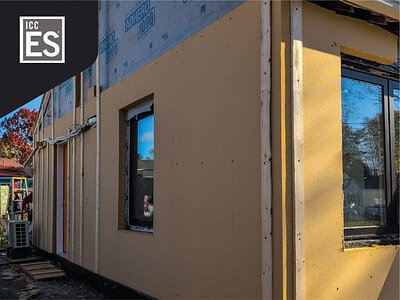
TimberHP Cracks the Code, Unlocking US Market for Wood Fiber Insulation
MADISON, Maine – December 04, 2025 – The American construction landscape is on the cusp of a significant green shift, catalyzed by a single document. TimberHP, a Maine-based manufacturer, has officially secured a coveted ICC-ES Evaluation Report (ESR-5387) for its flagship product, TimberBoard™, a rigid wood fiber insulation. This certification confirms the product’s compliance with national building codes, effectively removing the final regulatory barrier and clearing the way for its nationwide commercial launch. The move positions a renewable, carbon-storing material to compete directly with the petroleum-based foam boards that have dominated the market for decades.
For builders, architects, and developers, this news signals more than just a new product on the shelf. It represents the maturation of a sustainable building technology from a niche European concept into a fully vetted, code-compliant solution for the North American market, promising to reshape how buildings manage energy, moisture, and their own carbon footprint.
The Power of a Certification
In the world of construction, innovation lives and dies by regulatory approval. A novel material, no matter how revolutionary, remains on the sidelines without the stamp of approval from bodies like the International Code Council Evaluation Service (ICC-ES). By obtaining ESR-5387, TimberHP has successfully navigated this complex gauntlet. The report validates TimberBoard’s compliance with the 2024, 2021, and 2018 International Building Code (IBC) and International Residential Code (IRC), giving it immediate legitimacy.
"The ESR certification gives TimberBoard immediate legitimacy with code officials, architects, and builders across the country," said Matthew O'Malia, Co-Founder and CEO of TimberHP, in a recent announcement. "It signals that our carbon-storing wood fiber insulation meets the same code pathways that the industry already understands, removing friction for adoption and accelerating our ability to serve the market at scale."
This “friction” is a major hurdle for new materials. Without a standardized report like an ESR, builders wanting to use an alternative product would typically need to pursue a complex and costly alternative-material approval process for each project, convincing local officials of its safety and performance. The ICC-ES report eliminates this, providing a trusted, third-party verification that local authorities can rely on. The report confirms TimberBoard’s performance across critical categories, including its thermal resistance (up to R-14 at 4 inches), a Class B flame-spread rating, and its suitability as continuous exterior insulation behind a wide range of claddings. For the first time, a builder in Arizona and an architect in Vermont can specify the same North American-made wood fiber insulation with confidence that it will meet code.
A Greener, Healthier Wall Assembly
Beyond just meeting code, TimberBoard enters the market with a powerful environmental value proposition. Unlike its primary competitors—expanded polystyrene (EPS) and extruded polystyrene (XPS) foam boards—wood fiber insulation is a renewable resource that actively stores carbon. Sourced from residual softwood chips from FSC-certified forests, the carbon absorbed by the trees during their growth remains sequestered within the insulation for the life of the building. This results in a product with a significantly lower, and in some cases negative, embodied carbon footprint compared to foam insulations, whose production is energy-intensive and reliant on petrochemicals.
However, the benefits extend beyond carbon. TimberBoard is a “vapor-open” material, meaning it allows moisture to pass through it. This “breathability” is a critical performance characteristic that helps prevent moisture from getting trapped within wall assemblies, reducing the risk of mold, mildew, and rot. Many conventional foam insulations act as vapor barriers, which can create durability issues if moisture finds its way into the wall cavity from the interior. By allowing walls to dry out, wood fiber insulation contributes to better long-term structural integrity and healthier indoor air quality.
Furthermore, the dense structure of wood fiber provides superior acoustic insulation, dampening exterior noise more effectively than lighter foam products. It also offers better fire resistance; instead of melting and releasing toxic fumes like plastic foams, wood fiber tends to char, slowing the spread of flames. These combined performance attributes present a compelling case for a material that is not only better for the planet but also creates more resilient and comfortable buildings.
Challenging an Entrenched Market
TimberHP is entering a highly competitive and established market. The U.S. insulation industry has long been dominated by fiberglass and foam products, materials valued for their low cost and familiarity. In 2023, EPS foam alone held nearly 20% of the revenue share in the exterior insulation market. Overcoming this inertia will be TimberHP's next major challenge.
"There's always a learning curve with new materials," noted one industry analyst. "Cost and familiarity are powerful drivers. While the green building community will be early adopters, broader market penetration will depend on competitive pricing, a robust supply chain, and educating builders who have used the same products for their entire careers."
TimberHP appears ready for the fight. As the first and only dry-process wood fiber insulation board manufactured in North America, it holds a key strategic advantage. Previously, builders seeking this technology had to rely on expensive European imports. By manufacturing in the U.S., TimberHP can better control costs and logistics. The company’s product is engineered for standard North American construction practices, produced in familiar 4-by-8-foot sheets. The recent certification is the final piece of the puzzle, allowing the company to leverage its environmental and performance benefits to compete on a national scale.
From Maine Forests to a National Footprint
The story of TimberHP is also a story of regional economic revitalization and domestic manufacturing. The company’s state-of-the-art production facility is located in Madison, Maine, at the site of a former paper mill. By repurposing this industrial site and using residual wood chips—a byproduct of Maine's robust timber industry—the company is creating a circular economy model. It provides a high-value market for wood byproducts, supports sustainable forestry, and has created new jobs in a region impacted by the decline of the paper industry.
This local-sourcing and domestic-production model not only strengthens the company’s supply chain but also enhances its sustainability narrative. With the ICC-ES certification now in hand, the products made in Madison are set to be installed in homes and commercial buildings across the country. It’s a powerful example of how localized, sustainable innovation can scale to meet a national demand for better building solutions. As the construction industry faces increasing pressure to decarbonize and build more resiliently, the arrival of a code-compliant, carbon-storing insulation made in America may be exactly what the market has been waiting for.