
- 24% of UK adults feel lonely at least some of the time (early 2025 data).
- 1,900 participants in the sauna study reported significantly better wellbeing outcomes with regular, weekly sessions.
- Over 600 public saunas now tracked by the British Sauna Society.
Experts conclude that communal sauna rituals offer a powerful, evidence-based solution to combat loneliness and improve mental wellbeing, particularly for vulnerable populations, and should be integrated into public health strategies.
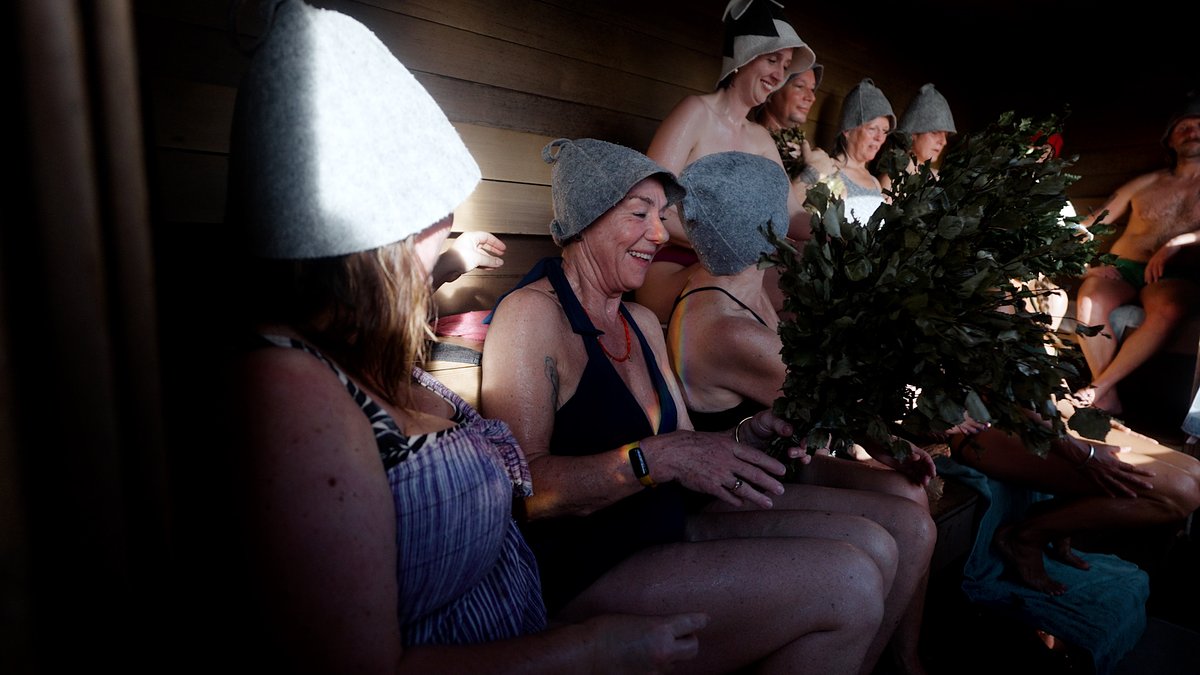
The Warm Embrace: Could UK Saunas Be the Cure for Loneliness?
LONDON – February 16, 2026 – As the United Kingdom grapples with what has been termed a 'loneliness epidemic,' a compelling new body of research suggests a centuries-old practice could offer a modern solution: the communal sauna. A study from the University of Greenwich and The London Interdisciplinary School, published in the prestigious journal Social Science and Medicine, provides the first experimental evidence that shared sauna rituals can significantly boost mental and physical wellbeing by fostering a deep sense of social connection and belonging.
The findings arrive at a critical time. Recent data from early 2025 indicates that nearly a quarter of UK adults feel lonely at least some of the time, a public health crisis with consequences as severe as smoking or excessive alcohol consumption. This social recession places immense strain on the National Health Service, with an estimated one in five GP visits driven by non-medical needs like isolation. Now, this new research positions the humble sauna not merely as a space for individual wellness, but as a vibrant social hub and a potential cornerstone of public health strategy.
A Prescription for Connection
The study, led by Dr. Martha Newson and Rachael McGrath, builds upon the 'social cure' model, which posits that group membership itself is a powerful determinant of health. Their research, involving over 1,900 participants, demonstrates that the benefits of sauna bathing are amplified exponentially when experienced collectively and through shared rituals.
"Sauna has well-evidenced benefits for our physical health, but our research suggests it offers something just as important: connection," explained Dr. Newson. "In turn, this social connection elevates our mental wellbeing. People don't just go for the heat; they go for the community, which is what makes sauna so powerful in the UK."
This insight is unlocking new possibilities for social prescribing, an initiative already integrated within the NHS. Social prescribing allows healthcare professionals to refer patients to non-clinical community activities—from gardening clubs to art classes—to address the root causes of their ailments. The research suggests that guided, communal sauna sessions could be a powerful and under-utilised addition to this toolkit.
The data is persuasive: participants who engaged in regular, weekly sauna sessions reported significantly better wellbeing outcomes than those who visited less frequently. Furthermore, those who felt the strongest sense of belonging to their sauna community also reported the most profound and positive ritual experiences, creating a powerful feedback loop of social and emotional health.
More Than Just Heat: The Rise of Ritual Culture
The UK is in the midst of a sauna boom. The British Sauna Society's UK Sauna Map now tracks over 600 public saunas, a number that has grown exponentially in recent years. This expansion is not just in quantity but in character, with a uniquely British sauna culture emerging that is highly social, experimental, and communal. From converted horseboxes on coastal shores to floating saunas on urban waterways, these spaces are becoming alternatives to the pub, offering what some call 'healthy hedonism' for a generation increasingly 'sober-curious'.
Central to this cultural shift is the embrace of ritual. The research highlights the German tradition of Aufguss, a multi-sensory performance where a 'sauna master' uses towels to circulate steam infused with essential oils, often choreographed to music. This transforms the sauna from a static hot room into a dynamic, shared event that fosters what researchers call 'emotional synchrony'—a collective alignment of feeling that deepens social bonds.
"What we see in shared, ritualised sauna experiences - and in our data - is that people feel connected to their bodies and to each other, and that this connection boosts wellbeing," noted Rachael McGrath, a research affiliate at the London Interdisciplinary School. "As saunas become more widespread in the UK, they represent an accessible & underexplored resource for neighbourhood health and NHS-aligned social prescribing."
Even simpler rituals, such as guided cycles of heat and cold or moments of collective stillness in a dimly lit space, were found to intensify feelings of unity and belonging. This intentionality, the research argues, is key.
An Equitable Glow: A Tool for Health Justice
Perhaps the most striking finding from the study is its implication for social equity. The research revealed that individuals from lower socio-economic backgrounds and other minority groups reported disproportionately higher improvements in their wellbeing after a sauna session. This suggests that communal saunas are not just beneficial, but are particularly effective for the very populations most vulnerable to health disparities and social isolation.
This 'equitable glow' strengthens the argument for integrating saunas into social prescribing frameworks. By offering an accessible, low-cost, and highly effective wellness practice, community saunas could play a vital role in reducing health inequalities and empowering underserved communities. The study suggests that the intense, shared experience allows participants to bond on a deeper level than many other group activities, breaking down social barriers and fostering genuine inclusion.
The power of the practice lies in its holistic nature. As Gabrielle Reason, Director of the British Sauna Society, commented, "Sauna bathing that reduces it down to individual optimisation, or only explained by a contrast of extreme temperatures, ignores the full array of benefits that are available." The research provides compelling evidence that the future of UK sauna culture should be one that is communal and deeply ritualised, with these elements understood as core to its purpose.
As ancient traditions meet modern societal challenges, the simple act of sweating together in a warm, welcoming space may hold a profound key to fostering a more connected and healthier Britain.