
- 3.1% decline in patient visits per practice in 2025
- 3.8% drop in crucial wellness appointments
- 48% increase in time between vet visits since 2021
Experts agree that the veterinary industry is facing a critical shift, requiring a move toward personalized, value-based care and integrated digital solutions to address declining visits and economic pressures.
The Vet Visit Crisis: How Data is Rebuilding Pet Healthcare
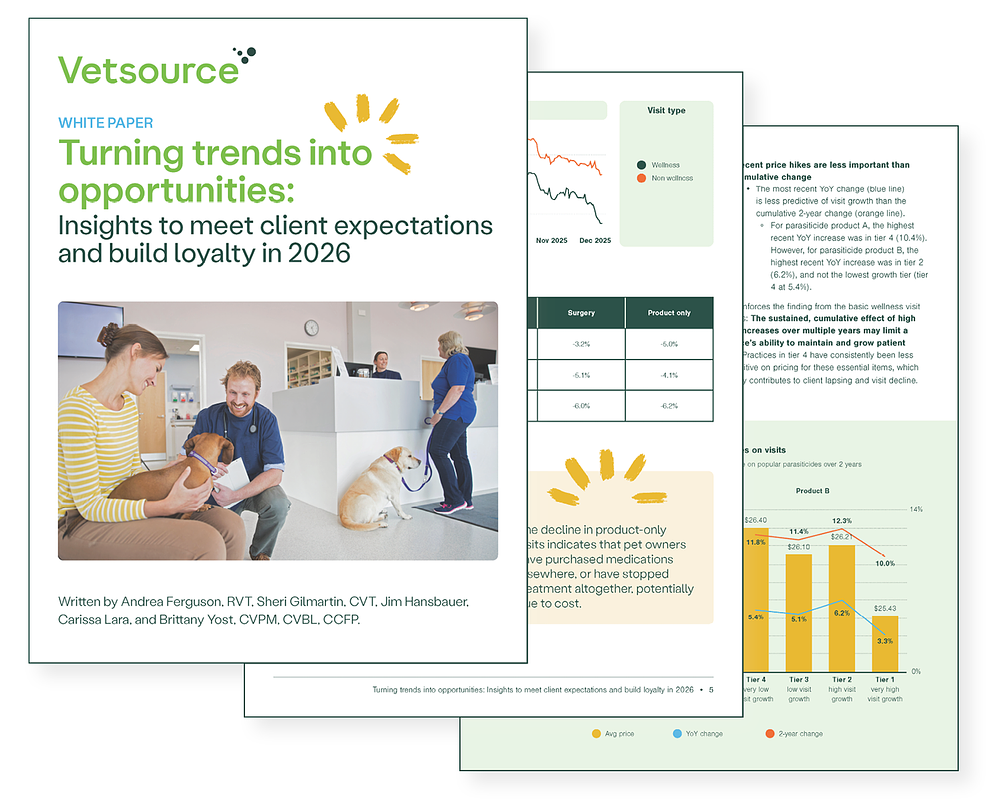
PORTLAND, Ore. – January 15, 2026 – A troubling silence is falling over veterinary waiting rooms across the country. Despite a boom in pet ownership, new industry data reveals a significant and sustained decline in patient visits, forcing practices to confront a challenging new reality. A white paper released by Vetsource, a leader in veterinary technology and pharmacy services, has put a fine point on the issue, reporting a 3.1% average drop in patient visits per practice in 2025, with crucial wellness appointments falling by an even steeper 3.8%.
This trend isn't an anomaly but the continuation of a pattern that has seen the time between vet visits for the average pet owner stretch dramatically. According to broader industry analysis, the interval between appointments has surged by as much as 48% in recent years. While practice revenues have shown modest growth, this has been largely propped up by rising service prices that outpace general inflation, a strategy that is proving unsustainable as it masks the underlying issue of declining client traffic. The veterinary profession, some economists suggest, entered a recessionary phase in late 2024, signaling that the post-pandemic boom has given way to significant economic and behavioral headwinds.
A Widening Gap in Pet Care
The report from Vetsource, titled "Turning trends into opportunities: Insights to meet client expectations and build loyalty in 2026," analyzed transactional data from nearly 6,500 veterinary practices, painting a detailed picture of a sector at a crossroads. The decline in wellness visits is particularly concerning for veterinarians, as these routine check-ups are fundamental to preventive medicine, catching health issues before they become severe and costly emergencies.
The data confirms what many practice managers have been feeling anecdotally: clients are stretching the time between appointments. Research from the Veterinary Hospital Managers Association (VHMA) corroborates this, showing the average time between visits ballooning from approximately 73 days in 2021 to over 112 days by mid-2024. This widening gap in care raises critical questions about long-term pet health and the financial viability of traditional practice models.
While overall revenue has not yet plummeted, its growth has decelerated from a robust 6.7% in 2019 to a more sluggish 3.9% in 2024. This growth is almost entirely attributable to price increases, not an increase in services rendered. With veterinary service prices rising 5.7% in May 2025—more than double the U.S. consumer price index increase of 2.7%—practices are walking a tightrope between covering their own rising operational costs and pricing out their clients.
The Pet Owner Dilemma: Cost, Convenience, and Care
Behind the statistics lies a complex shift in pet owner behavior, driven primarily by economic pressures. With inflation and the rising cost of living squeezing household budgets, discretionary spending is under scrutiny, and for many, veterinary care falls into that category. Pet owners are making difficult choices, often delaying or forgoing routine appointments to manage expenses.
This economic strain exists alongside the powerful "humanization of pets" trend, creating a paradox for the industry. Owners increasingly view their pets as family members and desire high-quality, advanced medical care. Yet, they also expect the same level of digital convenience and value they receive in other areas of their lives, from retail to human healthcare. They are more likely to shop around for prescriptions and pet products, turning to online retailers for better prices and convenience, which erodes a once-stable revenue stream for clinics.
This new mindset forces practices to do more than just provide excellent medical care; they must now demonstrate undeniable value and provide a seamless, modern client experience. The challenge is no longer simply about being the best doctor, but about being the most accessible, communicative, and valued partner in a pet's long-term health.
A Prescription for Change: Integrated Digital Platforms
In its white paper, Vetsource argues that the path forward requires a fundamental shift away from competing on price and toward a model of personalized, value-based care. This approach involves tailoring services to the specific health needs, lifestyle, and financial realities of each client. It means moving beyond a one-size-fits-all wellness plan to offer a spectrum of care options that empower pet owners to choose the best path for their animal and their budget.
Technology is positioned as the central nervous system for this new model. The report highlights the success of practices that adopt a comprehensive, integrated digital strategy. Vetsource's analysis revealed a striking metric: hospitals using a combination of its services—including Prescription Management, Client Engagement, and Data Services—demonstrated 40% higher patient bonding rates and lower rates of lapsing patients compared to those using only its home delivery pharmacy service.
This suggests that a fragmented approach is no longer sufficient. A home delivery pharmacy alone is a convenience, but when integrated with proactive communication and data-driven insights, it becomes part of a powerful client retention ecosystem. By simplifying workflows and ensuring seamless integration with a clinic's existing Practice Information Management Software (PIMS), these platforms aim to free up veterinary teams from administrative burdens, allowing them to focus more on direct patient care.
Beyond the Pharmacy: Fostering Loyalty Through Technology
The key to reversing the trend of declining visits lies in strengthening the bond between the practice and the pet owner. Integrated platforms work to achieve this by creating multiple touchpoints that keep the client connected and engaged between visits.
Client engagement tools, such as automated reminders for appointments and medication refills via email, SMS, or dedicated apps like Vet2Pet, serve as constant, helpful nudges. Data-driven campaigns can then personalize this outreach, providing educational content relevant to a specific pet's breed or age, or flagging when a patient is overdue for a critical check-up.
At the same time, a robust prescription management service not only offers the convenience pet owners demand but also helps the practice retain pharmacy revenue. Vetsource emphasizes its commitment to pharmacy excellence, noting a 1 in 75,000 error rate that provides peace of mind for both the clinic and the client. By combining these services, a practice can create a cohesive experience that reinforces its role as the central authority on a pet's health.
As the veterinary industry navigates these economic and behavioral shifts, the adoption of such comprehensive digital solutions appears less like a luxury and more like a strategic necessity. The future of practice success may not be found in waiting for clients to return, but in proactively reaching out to meet them where they are, using technology to bridge the widening gap in pet care and reaffirm the enduring value of the veterinarian-client relationship.