
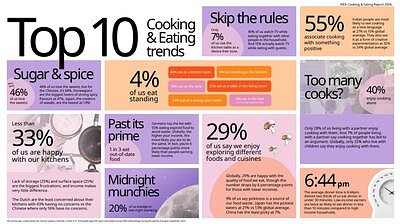
- 18% of people now regularly eat their evening meal on the sofa
- 44% of people eat dinner at a kitchen table
- 7% of households enforce a device-free policy during meals
Experts agree that modern lifestyle changes, including shrinking living spaces and digital distractions, are reshaping traditional dining rituals, with potential social and health implications.
The Sofa Supper: Global Study Reveals a Shift in Dining Rituals
MALMÖ, Sweden – February 10, 2026 – The traditional family dinner, once a cornerstone of domestic life centered around a dining table, is undergoing a quiet but profound transformation. A landmark global study by home furnishing giant IKEA has found that nearly one in five people (18%) now regularly eat their evening meal on the sofa, signaling a significant shift driven by shrinking living spaces, digital distractions, and the relentless pace of modern life.
The report, one of the most extensive cooking and eating surveys ever conducted with over 31,000 respondents across 31 markets, paints a vivid picture of fragmented, informal, and increasingly mobile eating habits. The findings reveal that fewer than half of all people surveyed (44%) now eat their dinner at a kitchen table, a statistic that challenges long-held notions of communal dining.
The Disappearing Dining Table
The migration from the dining room to the living room is not uniform across the globe. The trend is particularly pronounced in the United Kingdom, where a staggering 48% of residents now eat on the sofa, compared to just 31% who use a kitchen table. The data also highlights that Brits are nearly three times more likely than the global average to not own a dining table at all.
This informality extends beyond the couch. The study found that 4% of people globally eat dinner in bed, a habit twice as common among Americans and Hungarians (9%). Another 4% simply stand in the kitchen to consume their meals. These behaviors are symptomatic of broader societal trends, including rapid urbanization and the resulting decrease in average home sizes, which often make dedicated dining rooms a luxury of the past.
The very rhythm of the evening meal has changed. The average dinner time worldwide is now 6:44 PM, and the meal itself is often a swift affair. Most people finish dinner in under 30 minutes, with an average duration of just 27 minutes. Independent research corroborates this acceleration, noting that households with lower incomes are twice as likely to finish their evening meal in less than ten minutes compared to higher-income counterparts, pointing to a complex interplay of economic and time pressures.
Screens, Solitude, and 'Comfortable Chaos'
Perhaps the most influential force reshaping the dinner plate is the digital screen. According to IKEA's findings, only a tiny fraction of households—a mere 7%—enforce a device-free policy during meals. The television remains the most common dining companion, with 54% of people watching it when eating alone and 40% keeping it on even when dining with the people they live with. In some markets, like India, nearly one in five people report using social media during meals.
This constant digital immersion is a hallmark of what the report terms "comfortable chaos." For younger generations, time is the most significant barrier to traditional home cooking, cited by 38% of Gen Z and 33% of Millennials. This pressure, combined with the allure of on-demand entertainment, fosters an environment where quick, convenient meals consumed in front of a screen become the default.
"Together, these findings reveal how modern life is reshaping one of our most human rituals, reflecting growing concerns about loneliness and digital distraction," said Lorena Lourido Gomez in a statement accompanying the report. Despite the move towards more solitary dining, the emotional weight of food remains potent. The study found that 60% of people still believe that connection through food is important to them, suggesting a disconnect between our values and our daily practices.
The Hidden Costs of Convenience
While sofa suppers and screen-side snacks offer convenience, health experts and sociologists point to potential hidden costs. The practice of "distracted dining" runs counter to principles of mindful eating, which involves paying full attention to the experience of eating and listening to the body's natural hunger and fullness cues. Research from nutritional science consistently shows that eating while distracted can lead to consuming more calories, both during the meal and later in the day, potentially contributing to weight gain and an increased risk of obesity over time.
Beyond the physical health implications, the decline of the communal, device-free meal has profound social consequences. For decades, the family dinner table has been championed as a vital space for communication, social learning, and strengthening family bonds. Its erosion may weaken these opportunities for connection, exacerbating feelings of isolation in an already hyper-connected but often lonely world. For children, in particular, the decline in conversational meal times could impact language development and the learning of crucial social skills.
The widespread abandonment of "no phones at the table" rules underscores a blurring of boundaries between personal time and digital life, which can contribute to heightened stress and a diminished capacity to relax and be present. The convenience of the new dining normal may come at the expense of deeper well-being.
Designing for the New Reality
For a company like IKEA, these findings are more than just cultural observations; they are a strategic roadmap. The report directly informs the company's focus on product development and home solutions, acknowledging the new realities of domestic life while also aiming to address the challenges they present. The data on common kitchen frustrations, such as a lack of storage and counter space (each cited by 25% of respondents), provides clear direction for future designs.
In response, the company is launching over 200 new products aimed at preparing, storing, and enjoying food, with an emphasis on multi-functional furniture and clever solutions for compact living. The goal is to make the most of available space without compromising warmth or personality.
This strategy involves a delicate balance: adapting to the reality that people are eating on their sofas while simultaneously encouraging them to reconnect. As Lorena Lourido Gomez stated, the company is putting "even more focus on Cooking & Eating this year to help bring people back together around food, and to design for real, meaningful moments in everyday life." This dual approach acknowledges that while the dining table may be shrinking in prominence, the fundamental human need for connection over a shared meal remains a powerful force in our homes.