
- Launch Date: December 21, 2025
- Project Scope: Funds production of The Resurrection of Jesus Christ film, soundtrack, video game, and new distribution platform
- Target Release: Easter 2027
Experts would likely view this initiative as an innovative but high-risk experiment in democratizing film financing through blockchain, with significant regulatory and financial volatility challenges to overcome.
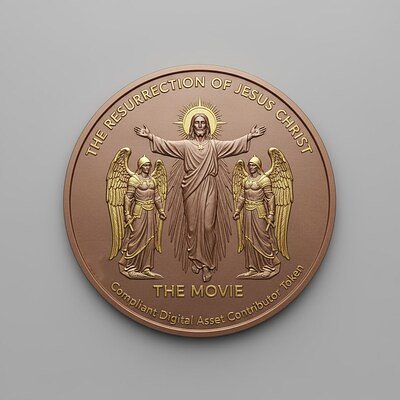
The Resurrection Coin: Faith, Film, and a Web3 Gamble
LOS ANGELES, CA – December 19, 2025 – In a novel intersection of ancient faith and modern finance, a new initiative is leveraging cryptocurrency to fund a major motion picture about the resurrection of Jesus Christ. Announced this week, 'The Resurrection Coin' is set to launch on December 21, 2025, aiming to create a global, community-driven funding model for faith-based cinema.
The project is a partnership between Resurrection Media Holdings LLC and FiNDRE, a Web3 platform that aims to connect filmmakers with audiences through blockchain technology. The coin is designed to finance the production and global distribution of the upcoming film, The Resurrection of Jesus Christ, while offering its holders a stake in the project's journey and potential profits.
A New Model for Faith-Based Film?
The initiative represents a bold departure from traditional film financing, which typically relies on a small pool of studio executives, private equity, and established producers. By using tokenization, FiNDRE proposes a democratized alternative where the audience becomes the financiers. Supporters can purchase 'The Resurrection Coin' and, in doing so, gain a form of ownership in the project.
This Web3 model promises several advantages that have intrigued independent creators across industries. By converting project ownership into digital tokens, filmmakers can potentially access a global pool of small-scale investors, bypassing traditional gatekeepers. Furthermore, blockchain's inherent transparency could be leveraged through smart contracts—self-executing code that can automate the distribution of revenue shares to token holders, theoretically increasing efficiency and trust.
FiNDRE and its partners are leaning heavily into the symbolic timing of the launch. "Launching during Christmas is intentional," said Ty Cueva, Founder of FiNDRE, in a press release. "It's a season centered on Jesus, and this offers a meaningful way for believers to participate in telling His story, from birth to resurrection."
However, the landscape of crypto-funded entertainment is still nascent and fraught with challenges. The extreme price volatility of digital assets presents a significant financial risk for both the production and its investors. Moreover, the technical complexity of wallets, tokens, and blockchain platforms can be a steep learning curve for the uninitiated, potentially limiting participation from the very faith communities the project hopes to engage.
The Resurrection Project: From Coin to Cinema
The scope of the project extends beyond a single film. According to the announcement, proceeds from the coin will support the production of The Resurrection of Jesus Christ—with a script by David Wood that reportedly depicts the spiritual battlefield of angels and demons—as well as an accompanying soundtrack, a video game, and an entirely new technology platform for distribution.
Membership for coin holders promises more than just a financial stake. The project advertises exclusive content, premium access to events, airdrops of additional tokens, VIP experiences, and a share of the profits distributed via a Decentralized Autonomous Organization (DAO). A DAO is a blockchain-based entity where governance is encoded in smart contracts and decisions are made by the collective vote of its members—in this case, the coin holders.
The timeline is ambitious. With pre-production stated to have begun in January 2025, the coin launch this month marks a key fundraising milestone. The plan allocates 2026 and 2027 for the production and completion of all content, culminating in a simultaneous global release for Easter 2027 on the newly developed platform. This strategy aims for a worldwide media event, delivering the film directly to theaters, churches, and personal devices.
Despite the detailed timeline, key production details remain undisclosed. Information regarding the film's director, cast, and projected budget has not been made public, leaving potential backers with an incomplete picture of the creative and financial undertaking they are being asked to support.
Navigating the Regulatory Tightrope
Perhaps the most critical challenge facing the project lies in its claim of being "regulatory compliant" and "built within SEC frameworks." In the United States, the Securities and Exchange Commission (SEC) has been actively scrutinizing the cryptocurrency space. Many token offerings, particularly those that promise profits derived from the efforts of others, are classified as securities under what is known as the Howey Test.
If 'The Resurrection Coin' is deemed a security, it would be subject to stringent registration and disclosure requirements designed to protect investors. FiNDRE's assertion of compliance is central to its pitch, yet public records from the SEC's EDGAR database do not show any readily identifiable filings for FiNDRE, Resurrection Media Holdings LLC, or 'The Resurrection Coin.' This lack of a clear public filing raises questions about the specific nature of its claimed compliance.
The promise of a "profit share via DAO" adds another layer of legal complexity. The legal status and enforceability of DAOs are still being debated in courtrooms and by regulators. How profits would be calculated, distributed, and legally guaranteed to token holders remains a gray area. Without a publicly available whitepaper detailing the token's mechanics, the DAO's governance structure, and the legal framework underpinning the profit-sharing promise, potential investors are left to rely on the company's assertions.
Faith, Finance, and the Crypto Frontier
This initiative places itself at the crossroads of faith, culture, and speculative technology. By framing a cryptocurrency investment as a way to support a sacred narrative, the project taps into a powerful emotional and communal motivator. This strategy is not without precedent; documentaries like God Bless Bitcoin have attempted to bridge the gap by presenting cryptocurrency as an ethical alternative to traditional finance, aligning it with religious values of justice and equity.
The target audience—the global faith community—may see this as a groundbreaking opportunity to directly participate in spreading a message they hold dear. However, it also introduces a community that may be less familiar with financial technology to the notoriously volatile and high-risk world of cryptocurrency. The background of FiNDRE's founder, Ty Cueva, appears to be primarily in California real estate, with no publicly available track record in either Web3 development or film financing prior to this venture.
As 'The Resurrection Coin' prepares for its Christmas-season launch, it presents a compelling case study for the future of media and finance. It tests whether a community united by faith is willing to embrace the risks of a decentralized, blockchain-powered future to bring a cherished story to the screen. The success or failure of this ambitious project could set a significant precedent for how cultural and religious stories are funded and shared in the digital age.