
- 26 years: Dr. Kinney's tenure in Charleston before switching to concierge medicine.
- 600 patients: Maximum patient panel under MDVIP, down from 2,000-3,000 in traditional care.
- $1,800–$4,800/year: Typical cost of MDVIP membership, paid out-of-pocket.
Experts view concierge medicine as a high-quality but potentially inequitable solution, offering better access and preventive care for paying members while raising concerns about healthcare disparities for non-members.
The Price of Personalized Care in Charleston
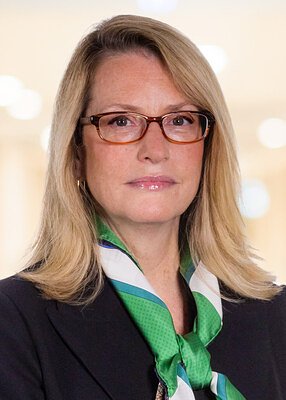
CHARLESTON, SC – January 15, 2026 – After serving the Charleston community for over 26 years, Dr. Laura Lee Kinney, a respected board-certified internist, is changing the way she practices medicine. This month, Dr. Kinney affiliated her practice with MDVIP, a national leader in personalized, membership-based healthcare. The move signals a significant shift away from the high-volume, insurance-driven model of traditional primary care and places her at the forefront of a growing, and often debated, trend in the Lowcountry: concierge medicine.
For patients who join her new practice, the benefits are clear and compelling: same or next-day appointments that last as long as needed, direct access to their physician, and a deep focus on proactive, preventive health. It’s a model designed to fix what many see as a broken system. Dr. Kinney herself critiques the conventional approach as being reactive and insufficient.
"So much of healthcare today operates with a 'band-aid approach' – addressing symptoms with quick fixes," Dr. Kinney stated in the announcement. "I don't believe it leads to meaningful, lasting health. Taking the time to understand the whole person is what allows for real progress to happen. Now, with MDVIP, I have the time and space to offer that to each and every patient."
This transition makes Dr. Kinney one of several Charleston-area physicians embracing concierge or direct primary care (DPC) models. Practices like Access Healthcare and Roper St. Francis Signature Primary Care have already established themselves, offering similar promises of enhanced access and individualized attention for an annual or monthly fee. This growing market indicates a clear demand from both patients and doctors for an alternative to the often-impersonal nature of modern healthcare.
Beyond the Band-Aid: Why Doctors Are Opting Out
The decision for a veteran physician like Dr. Kinney to fundamentally change her practice model after more than two decades is not made lightly. It reflects a national crisis brewing within the medical community: physician burnout. Traditional primary care physicians often manage patient panels of 2,000 to 3,000 individuals, leading to packed schedules, rushed 15-minute appointments, and overwhelming administrative burdens. This environment leaves little room for the kind of comprehensive, preventive care doctors are trained to provide.
The MDVIP model directly addresses these pain points. By reducing their patient panel to a maximum of 600, physicians can dramatically increase the amount of time they spend with each person. Instead of seeing 20-30 patients a day, they might see fewer than 10. This shift allows for 30 to 60-minute appointments, creating space for in-depth conversations, collaborative health planning, and the development of a stronger doctor-patient relationship built on trust and familiarity.
For physicians, this change often means rediscovering their passion for medicine. Studies of MDVIP-affiliated doctors show satisfaction rates soaring above 90%, a stark contrast to the widespread burnout reported in conventional settings. The model allows them to move from reactive symptom management to proactive wellness coaching, a shift that many find profoundly more fulfilling. Dr. Kinney's focus on guiding both younger patients in building a foundation for wellness and older patients in managing chronic conditions like diabetes or heart disease exemplifies this prevention-first philosophy.
The Concierge Promise: What Patients Get and What It Costs
The value proposition for patients who can afford the membership is significant. The centerpiece of the MDVIP service is its annual Wellness Program, which goes far beyond a standard physical. Dr. Kinney’s practice will offer the MDVIP Wellness Program Plus, which includes advanced testing for cognitive, cardiovascular, and metabolic health, creating a detailed baseline to guide a personalized care plan.
The convenience factor is another major draw. The promise of same-day appointments and 24/7 access eliminates the weeks-long waits for appointments and the frustration of navigating automated phone systems or leaving messages that may go unanswered for days. This level of access and responsiveness is what many feel is missing from today's healthcare experience.
However, this premium level of care comes at a premium price. While MDVIP does not publicize a standard fee, memberships across the country typically range from $1,800 to $4,800 per year, per person. This fee is paid directly to the practice and is not covered by insurance. It is crucial for prospective members to understand that the MDVIP fee is an out-of-pocket expense in addition to their regular health insurance premiums, co-pays, and deductibles. Patients must maintain their insurance to cover specialist visits, hospitalizations, prescription drugs, and major procedures. The membership fee essentially buys them enhanced access to and time with their primary care physician, services that insurance companies generally do not reimburse.
A Widening Gap? The Community Cost of Personalized Care
While the benefits for member patients and their doctors are tangible, the rise of concierge medicine raises difficult questions about healthcare equity. When an established physician like Dr. Kinney transitions to a membership model, her patient panel shrinks dramatically. A practice that once served thousands of community members now serves a few hundred, leaving the vast majority of her former patients to find a new primary care provider.
In a state like South Carolina, which already faces a shortage of primary care physicians, this can place significant strain on the remaining traditional practices. Patients left behind, particularly those on fixed incomes or with complex medical needs who cannot afford the annual fee, must navigate a system that is already overburdened. The search for a new doctor accepting new patients can be a daunting process, often involving long waits and further disrupting the continuity of care.
Critics argue that this trend contributes to the creation of a two-tiered healthcare system: one for those who can pay for premium access and another for everyone else. While concierge doctors provide excellent care to their members, the model's expansion could inadvertently exacerbate existing disparities, making it even harder for the general population to access timely and consistent primary care. The question for communities like Charleston is how to balance the clear benefits of these personalized models with the societal need for accessible healthcare for all residents, regardless of their ability to pay a private membership fee.
Topics & Related
Sustainability & Climate
Workforce & Talent
Healthcare & Life Sciences
Related Company Pulse