
- Market Accessibility: At-home devices like MyoGlow cost under $200, compared to clinical treatments ranging from $1,500 to $12,000.
- Technology Convergence: MyoGlow combines 4 modalities (LED, electroporation, thermal therapy, sonic massage) into a single handheld device.
- Market Potential: The at-home aesthetics revolution aims to democratize access to treatments previously limited to high-cost clinics.
Experts would likely conclude that while at-home aesthetics devices like MyoGlow offer accessible, science-backed solutions, their efficacy depends on consistent use and consumer education to navigate unregulated markets and manage expectations.
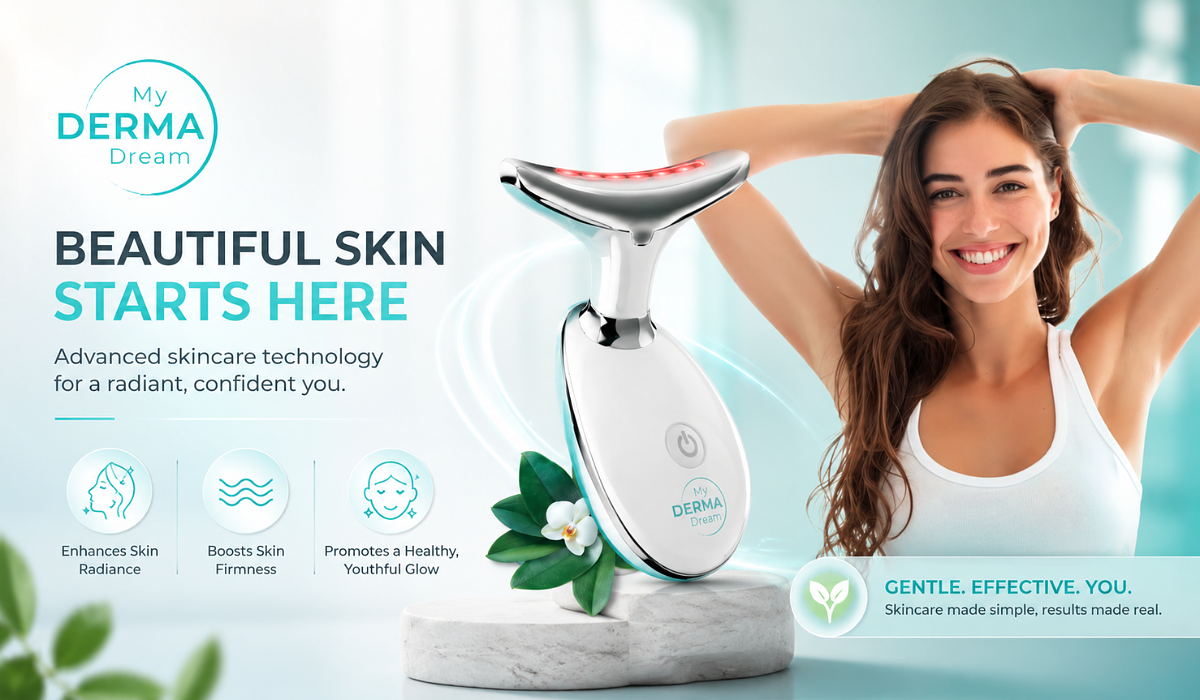
The Med Spa Comes Home: Decoding the At-Home Aesthetics Revolution
MIAMI, FL – June 16, 2026 – There is a quiet transaction that happens millions of times a day, though it never appears on any economic ledger. It’s the moment a consumer, often a woman, sees a product, desires it, and then silently walks away. Not due to a lack of interest, but due to an insurmountable price barrier. In the world of aesthetics, this invisible friction defines a market worth tens of billions, locking treatments for common concerns like skin laxity behind clinic doors with price tags reaching into the thousands.
A press release for a device called MyoGlow, an at-home arm sculptor from My Derma Dream, describes this phenomenon with striking clarity: a woman picking up a sleeveless top, only to place it back on the rack. This isn't a story about vanity; it’s a story about economics, confidence, and the disruptive potential of technology. The professional solutions—from surgical lifts costing up to $12,000 to recurring LED therapy sessions that can total $8,000—are simply out of reach for the vast majority. This creates a massive, underserved market segment. The rise of devices like MyoGlow is a direct response to this market failure, representing a broader trend where consumer-grade technology is collapsing the cost structure of industries once protected by high prices and specialized access.
The New Economics of Aesthetics
The global beauty and personal care market is a behemoth, but its most advanced—and often most effective—treatments have historically operated on a clinical model. This model is characterized by high fixed costs (real estate, professional-grade equipment, licensed staff) and, consequently, high per-session prices. A single CoolSculpting session for arms can cost $1,500; a full course of radiofrequency treatments can easily eclipse $5,000. This pricing doesn't just limit access; it fundamentally shapes consumer behavior, forcing a cost-benefit analysis that leaves most on the sidelines.
What we are now witnessing is the systematic dismantling of that model by a wave of direct-to-consumer technology. MyoGlow exemplifies this shift. By packaging four established modalities—LED light therapy, electroporation, thermal therapy, and sonic massage—into a handheld device sold for under $200, it challenges the core premise of the clinical monopoly. The company’s bet is that consistency trumps intensity; that the compounding benefits of a daily 10-minute session at home can rival, or even surpass, the results of sporadic, expensive clinic visits. This is the same economic logic that fueled the at-home fitness revolution, where companies like Peloton successfully argued that a one-time hardware purchase offered superior value and convenience compared to a recurring gym membership.
The significance extends beyond a single product. This trend represents the 'democratization' of aesthetic technology. The underlying science is no longer proprietary, and the manufacturing of sophisticated consumer electronics has become commoditized. Companies like My Derma Dream can now leverage global supply chains to produce devices that would have been considered clinical-grade just a decade ago, selling them directly to a global audience and bypassing the traditional gatekeepers of the aesthetics industry.
Deconstructing the Device: A Convergence of Technologies
To understand the market potential, one must first validate the technology. The MyoGlow device is not built on unproven science; rather, its innovation lies in the convergence of multiple, well-understood principles within a single, ergonomic package.
LED Light Therapy: This forms the device's foundation. The use of specific light wavelengths to stimulate biological processes is well-documented. The red light (typically 630-660nm) is known to penetrate the skin to stimulate collagen and elastin production, the very proteins that provide firmness and elasticity. This isn't marketing fluff; foundational research from NASA in the 1990s on wound healing provided early validation, and countless dermatological studies have since confirmed its efficacy in improving skin density and reducing signs of aging. The blue light function targets surface texture and bacteria, while the amber light is aimed at reducing puffiness through improved fluid dynamics.
Electroporation: This technology addresses a fundamental challenge in skincare: getting active ingredients to penetrate the skin's protective outer layer. By applying controlled electrical pulses, the device temporarily creates micro-channels in the cell membranes, dramatically increasing the absorption of topically applied serums. This is a non-invasive version of the delivery systems used in advanced clinical facials to get molecules like peptides and hyaluronic acid where they are most effective.
Thermal Therapy & Sonic Massage: The final two components work in concert. Gentle, controlled heat (thermal therapy) increases local circulation, bringing more oxygen and nutrients to the skin cells while aiding in the drainage of excess fluid that contributes to puffiness. This is a principle similar to that used in more powerful radiofrequency (RF) skin tightening treatments. The sonic vibrations add a mechanical massage element, further promoting lymphatic drainage and enhancing the user's sensory experience, which is a critical factor for ensuring the daily compliance necessary for results.
The strategic value here is synergy. While each technology offers a benefit on its own, their simultaneous application creates a multi-pronged assault on the target issue. Heat and electroporation prepare the skin for the active ingredients, while LED therapy stimulates the cellular repair and rebuilding process. It's a comprehensive approach condensed into a single, efficient session.
The At-Home Advantage vs. Clinical Certainty
The shift to at-home devices is not without its complexities and trade-offs. The primary advantage, as championed by My Derma Dream and its competitors, is accessibility and consistency. The financial barrier is lowered from thousands of dollars to a one-time purchase comparable to a few high-end serums. This enables the daily, cumulative use that is often more effective for long-term collagen remodeling than infrequent, high-intensity clinical sessions.
However, this decentralization of care moves the burden of safety and efficacy from the hands of a licensed professional to the consumer. The at-home device market is largely unregulated, a 'Wild West' where product claims can be difficult to verify and quality varies wildly. While My Derma Dream appears to be a legitimate operation with customer support and a warranty, the broader market is rife with knock-offs and devices that lack robust safety features. The list of contraindications for the MyoGlow—epilepsy, heart conditions, pregnancy—is not boilerplate; it reflects real biophysical interactions. Users are now responsible for understanding these risks without a clinician to guide them.
Furthermore, while the technologies are scientifically valid, the power and calibration of an at-home device will inherently differ from a multi-million dollar clinical machine. Consumers must manage their expectations. These devices can produce meaningful cosmetic improvements—smoother texture, increased firmness, a more toned appearance—but they are not a substitute for a surgical arm lift. The results are real, but they are incremental, dependent entirely on the user's commitment to the protocol.
This new paradigm places a premium on corporate transparency and consumer education. The legitimacy of the entire at-home aesthetics market hinges on companies providing not just effective products, but also clear instructions, realistic marketing, and robust support. My Derma Dream's 90-day satisfaction guarantee and one-year warranty are crucial tools for building trust in this environment, effectively shifting some of the risk from the consumer back to the company. The future of this market belongs to the brands that master this balance of technological innovation and consumer assurance.