
- 216-unit project: Sagecrest is a large-scale build-to-rent (BTR) townhome community in East Contra Costa County.
- $2,000s average rents: The local rental market has average rents in the low-to-mid $2,000s, while the median renter household income is just over $61,000.
- 1,500 sq ft townhomes: Each unit offers up to 1,500 square feet with private patios and attached two-car garages.
Experts would likely conclude that the rise of build-to-rent communities like Sagecrest reflects a significant shift in housing preferences, offering a viable alternative to traditional homeownership and catering to renters-by-choice seeking space, privacy, and flexibility without the burdens of ownership.
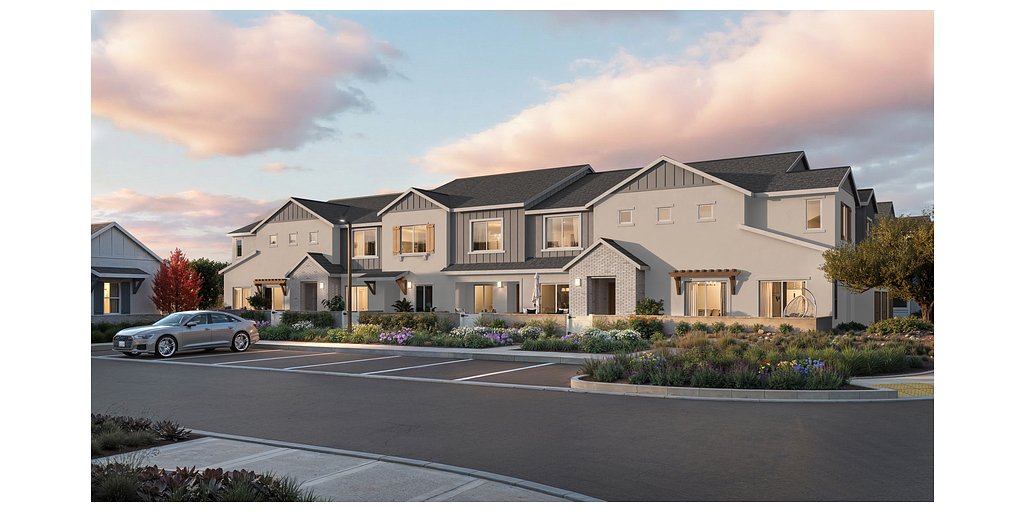
The Hybrid Home: How Build-to-Rent Is Redefining the Bay Area Suburbs
ANTIOCH, CA – June 15, 2026 – A recent announcement from developer BrightSky Residential about a new townhome community in East Contra Costa County might seem like standard industry news. The company has begun pre-leasing for Sagecrest, a 216-unit project promising spacious homes and resort-style amenities. But look closer, and the Sagecrest development reveals a far more significant story: it’s a calculated, strategic bet on a fundamental shift in the American housing landscape. This isn't just about building more houses; it's about pioneering a new category of living—the professionally managed, single-family rental—and its arrival in the Bay Area suburbs signals a turning point for developers, investors, and residents alike.
BrightSky, a subsidiary of institutional investment manager The Resmark Companies, is a specialist in the burgeoning build-to-rent (BTR) sector. Its Sagecrest project is not a collection of condos for sale or a typical apartment complex. It is a purpose-built community of townhomes designed from the ground up for renters. This model challenges the long-held paradigm of the starter home and instead offers a compelling alternative: the space, privacy, and stability of a single-family home without the financial leverage and maintenance burdens of ownership. As the first community of its kind in the submarket, Sagecrest serves as a powerful case study in how business innovation is responding to deep-seated economic and lifestyle trends.
A New Asset Class for a New Consumer
The core strategy behind Sagecrest is a direct response to a growing demographic of what some analysts call “renters-by-choice.” These are often households who could potentially afford to buy but are opting out of the traditional homeownership path. “Many households want more space, privacy, and flexibility than a traditional apartment can offer, but they may not be ready, or may simply choose not, to take on the financial commitment and responsibilities of homeownership,” explained Charles McKeag, BrightSky’s California Division President, in the company’s announcement. Sagecrest, he noted, “meets this demand with thoughtfully designed townhomes that deliver many of the benefits of a single-family home in a professionally managed rental community.”
This hybrid model directly targets the pain points of two traditional housing options. For those outgrowing cramped apartments, Sagecrest offers two- and three-bedroom floor plans up to 1,500 square feet, each with a private patio and an attached two-car garage. For those daunted by the Bay Area’s notoriously high barrier to entry for homeownership—and the ongoing costs of taxes, insurance, and repairs—it provides a professionally managed “lock-and-leave” lifestyle. This strategic positioning carves out a unique niche. Research confirms that while several for-sale townhome projects like Wildflower Station are underway in Antioch, Sagecrest stands alone as a dedicated, large-scale BTR townhome community, giving BrightSky a significant first-mover advantage in the submarket.
A Calculated Bet on East Contra Costa's Growth
BrightSky's choice of Antioch is no accident. The city, located at the crossroads of East Contra Costa County, represents a microcosm of the opportunities and challenges facing suburban growth corridors. The region has long attracted residents priced out of the core Bay Area, creating persistent housing demand. However, the local rental market is complex, with average rents hovering in the low-to-mid $2,000s, while the median renter household income sits just over $61,000. This affordability gap highlights the need for diverse housing solutions.
By introducing a premium rental product, BrightSky is betting it can attract households with higher incomes who value the specific lifestyle Sagecrest offers. The success of this strategy, however, hinges on the region’s ability to manage its rapid growth. The arrival of 216 new households will place additional demands on local infrastructure, from traffic on Highway 4 to capacity in local schools. Local officials are acutely aware of this tension. Antioch is currently undergoing a comprehensive update to its General Plan for the first time since 2003, a process designed to create a long-term blueprint for sustainable development. Developments like Sagecrest proceed under the watchful eye of city planners and a community grappling with how to balance state-mandated housing targets, such as those pushed by SB 330, with the preservation of local resources and quality of life. The success of BTR communities is therefore intrinsically linked to the success of public-sector planning.
Redefining Rental Living: The Tech and Amenity Arms Race
To command premium rents and create a defensible market position, the BTR model relies on elevating the rental experience far beyond the norm. Sagecrest is a prime example of this strategy in action, embedding technology and lifestyle amenities directly into its product. Each townhome will feature smart home technology, stainless steel appliances, and quartz countertops—finishes typically associated with for-sale properties. The community itself is designed to function like a private club, with a pool and spa, a clubhouse with a lounge and kitchen, EV charging stations, and dedicated pet-friendly areas. This is not just about comfort; it's a deliberate business strategy. Amenities create a “sticky” environment that fosters community, reduces tenant turnover, and justifies a higher price point. The inclusion of EV charging, for example, is a forward-looking move that caters directly to the modern Californian consumer and signals a commitment to contemporary infrastructure. This focus on a high-service, amenity-rich environment is how BTR developers are building a brand and a moat in a competitive housing market.
The Strategic Implications for the Broader Market
The rise of institutional-backed BTR developers like BrightSky represents a significant maturation of this housing sector. With the backing of The Resmark Companies, BrightSky has the capital and long-term vision to execute large-scale, multi-market projects. For investors, BTR offers a potentially stable, income-generating asset class that is less susceptible to the volatility of the for-sale market. It taps into a durable demographic trend: the need for family-friendly housing, combined with a growing preference for flexibility and service.
The performance of communities like Sagecrest will be a critical bellwether. If BrightSky can prove that a significant number of households in a market like Antioch will consistently pay a premium for this hybrid housing model, it will validate the BTR thesis and likely trigger a wave of similar investments across California’s suburban landscape. It represents a fundamental re-imagining of the suburban ideal, shifting from a singular focus on ownership to a more pluralistic model that accommodates a spectrum of lifestyles and financial situations. The future of the suburbs may not be just owned, but professionally rented.