
- 85% reduction in bone loss: Bōndia™ reduced the rate of bone loss in the femoral neck by 85% in postmenopausal women with pre-existing osteopenia compared to placebo.
- 50% of women over 50: The product targets a significant population affected by osteopenia or osteoporosis.
- 220 participants: The ongoing STARS trial will evaluate Bōndia™ in 220 women aged 60 and over.
Experts would likely conclude that Bōndia™ offers a scientifically validated, non-pharmaceutical alternative for managing bone loss, particularly in high-risk postmenopausal women, with strong evidence supporting its safety and efficacy.
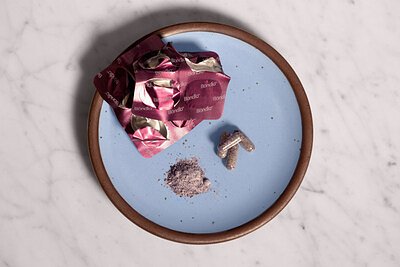
The Gut-Bone Axis: A Biotech Firm’s New Approach to Osteoporosis
BOSTON, MA – February 20, 2026 – A new clinical study is adding robust evidence to a fascinating and rapidly growing area of medicine: the connection between gut health and bone strength. Waltham-based biotechnology company Sōlaria Biō today announced the publication of findings that validate the scientific foundation of its flagship product, Bōndia™, a medical food designed to combat bone loss in women.
The study, published in the peer-reviewed journal Beneficial Microbes, confirms that the specific microbial strains in Bōndia™ successfully survive the journey through the digestive tract, arrive in the gut alive, and persist as intended. This confirmation of delivery and viability is a critical step in demonstrating how the product may offer a new line of defense for the more than 50% of women over 50 affected by osteopenia or osteoporosis.
For decades, the standard approach to bone health has centered on calcium, vitamin D, and powerful pharmaceuticals. Sōlaria Biō is challenging that paradigm by focusing on the gut microbiome—the trillions of bacteria living in our digestive systems—as a key regulator of skeletal health. The announcement reinforces the company's claims and adds a new layer of scientific rigor to the burgeoning field of microbiome-based therapeutics.
Validating the Microbial Messengers
The central question for any probiotic or synbiotic intervention is whether the beneficial microbes can reach their destination. The new open-label, randomized study addressed this head-on. Using advanced techniques including strain-level quantitative PCR and metagenomic sequencing, researchers tracked the microbial blend in Bōndia™ (evaluated as SBD111) and an investigational formula in healthy adults.
The results were clear: the strains were rapidly detected in participants during supplementation, confirming they were viable and active in the gut. Furthermore, the study showed that the strains persisted consistently during use but washed out naturally after supplementation stopped. Crucially, this occurred without disrupting the overall diversity of the native gut microbiome, a key safety indicator.
"This study answers a fundamental question in microbiome science: do these strains actually reach the gut, remain viable, and behave as designed?" said Catherine Balsam-Schwaber, CEO of Sōlaria Biō, in the company's press release. "By using strain-level tools, we were able to generate high-quality clinical evidence that supports both the safety and scientific integrity of our medical food formulations."
This mechanistic validation builds on previous research. A study in the Journal of Functional Foods detailed how Bōndia™'s synbiotic formula works by enhancing gut barrier integrity, reducing systemic inflammation, and suppressing the activity of osteoclasts—the cells responsible for breaking down bone tissue.
Contextualizing the 85% Claim
The company has previously touted a striking figure: an 85% improvement in bone density. The latest study helps substantiate the biological plausibility of such a claim, but the figure itself originates from an earlier, larger clinical trial published in the prestigious journal Osteoporosis International.
That 12-month, randomized, double-blind, placebo-controlled study involved 286 postmenopausal women. While the effect across the entire study population was not statistically significant, a closer look at the data revealed a powerful outcome in a specific, high-risk subgroup. For postmenopausal women with pre-existing osteopenia—a condition of lower-than-normal bone density that precedes osteoporosis—Bōndia™ reduced the rate of bone loss in the femoral neck by 85% compared to the placebo group. This is particularly noteworthy because all participants, including the placebo group, received standard vitamin D supplementation, suggesting Bōndia™ provides a benefit over and above the current standard of care.
The company's commitment to research appears ongoing. A new 18-month clinical trial, known as the STARS trial, is currently underway in collaboration with Harvard Medical School affiliate Hebrew SeniorLife. Funded by the National Institute on Aging, this study will evaluate Bōndia™ in 220 women aged 60 and over, aiming to further solidify its role in managing age-related bone loss.
Navigating the Medical Food Landscape
Sōlaria Biō deliberately categorizes Bōndia™ not as a common dietary supplement, but as an FDA-regulated "medical food." This is a critical distinction. According to the FDA, a medical food is intended for the specific dietary management of a disease or condition, formulated for consumption under the supervision of a physician. While they do not undergo the same rigorous pre-market approval process as pharmaceutical drugs, they must be based on recognized scientific principles.
By positioning Bōndia™ in this category, Sōlaria Biō is differentiating it from the crowded and often unregulated supplement market. It signals to both doctors and consumers that the product is intended for a specific medical purpose, backed by clinical evidence, and best used as part of a managed healthcare plan. This strategy allows the company to occupy a unique space between general wellness supplements and prescription drugs, targeting women with osteopenia who may not yet qualify for or desire aggressive pharmaceutical intervention.
This approach also puts Bōndia™ in a different competitive class. The market for osteoporosis is dominated by pharmaceuticals like bisphosphonates and hormone therapies, which, while effective, can come with significant side effects and adherence challenges. Bōndia™ offers a non-pharmaceutical, microbe-based alternative with a favorable safety profile, potentially filling a significant gap in care.
Building an Ecosystem for Proactive Aging
Beyond its scientific pursuits, Sōlaria Biō is strategically building a commercial ecosystem aimed at empowering women to take proactive control of their bone health. A series of recent partnerships highlights this multi-pronged approach.
Inclusion in the 2026 winter cohort of the AgeTech Collaborative™ from AARP lends significant credibility and provides a direct channel to a massive demographic actively seeking solutions for healthy aging. This places Bōndia™ at the forefront of the "AgeTech" movement, which leverages technology and innovation to improve the lives of older adults.
To translate science into actionable results, Sōlaria Biō has partnered with DexaFit, a national provider of clinical-grade health testing. This collaboration makes gold-standard DXA bone density scans more accessible, allowing women to establish a baseline, monitor changes, and objectively track the impact of interventions like Bōndia™.
A partnership with 51&, a member-driven network focused on rebuilding the health system for women, further cements the brand's commitment to its target audience. By aligning with an organization dedicated to addressing systemic underfunding in women's health research and innovation, Sōlaria Biō is not just selling a product, but joining a cause. These moves collectively illustrate a sophisticated strategy to create an integrated platform for long-term skeletal wellness, empowering women with the scientific knowledge, diagnostic tools, and community support needed to manage their bone health effectively.