
- 84% waste diversion rate: Achieved by Blue Strike at the 2026 LIV Golf Indianapolis tournament, demonstrating measurable sustainability success.
- 9 revenue streams: The 'Do Good Do Well' plan aims to identify and amplify for universities, challenging the perception of sustainability as a cost center.
- Fall 2026 pilot programs: Major universities will test the sustainable-business framework, with final results expected by summer 2027.
Experts agree that sustainability initiatives in college sports can transition from being perceived as cost centers to significant revenue generators, provided they are data-driven and strategically implemented.
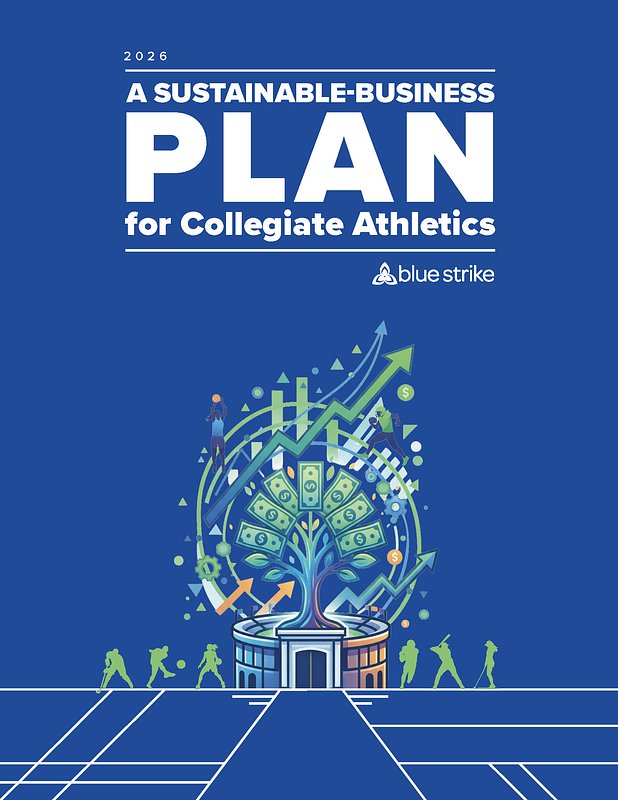
The Green Gold Rush: Can Sustainability Solve College Sports' Money Woes?
MONTEREY, Calif. – March 09, 2026 – As NCAA athletic departments face increasing financial pressures, a new initiative is betting that the solution isn't just in ticket sales or TV deals, but in trash cans, solar panels, and community goodwill. Blue Strike Sports, a woman-owned sustainability consultancy, has launched the “Do Good Do Well” Sustainable-Business Plan, a bold effort to reframe environmental responsibility from a budgetary drain into a significant source of new revenue.
The plan, which kicked off with a national research survey, aims to create a data-driven framework that amplifies nine distinct revenue opportunities for universities. It challenges a long-held perception within the industry, a sentiment echoed by one of its most prominent supporters.
“Green sports have been seen as a cost center, not a revenue center,” said Rick George, the veteran Athletic Director at the University of Colorado. “But we have seen green sports bring in substantial new revenues in a variety of different ways. Now, the Do Good Do Well sustainable-business plan will map green sports’ path to new revenues for athletics and campus.”
From Cost Center to Cash Cow
The financial landscape of collegiate athletics is in flux. Rising operational costs, new obligations for revenue sharing with athletes, and shifting media rights deals have put immense pressure on athletic directors to innovate their financial models. The “Do Good Do Well” plan arrives as a potential lifeline, proposing that doing good for the planet can directly translate to doing well on the balance sheet.
Blue Strike’s initiative seeks to move beyond simple recycling programs and create a comprehensive business strategy. While the specifics of the nine revenue streams will be refined through research, they are expected to touch on everything from enhanced corporate sponsorships with eco-conscious brands to increased donor contributions from alumni who value social responsibility. The strategy also anticipates that a strong sustainability profile can become a key differentiator in the fierce competition for student-athlete recruitment and general student enrollment.
The core of the project is to provide a replicable playbook for athletic departments, many of which lack the in-house expertise to develop and monetize sustainability programs on their own. By creating a standardized framework, Blue Strike aims to make sustainable profitability accessible to a wide range of NCAA programs.
The Science Behind the Strategy
To build this new playbook, Blue Strike is leaning heavily on data, not just anecdotes. The initiative’s first major step is a national survey designed to quantify the value of “going green.” The survey is being fielded by Dr. Jonathan Casper, a leading sport management professor at North Carolina State University and an internationally recognized researcher on the intersection of sports and the environment.
“This survey will provide data-driven insights into whether sports sustainability translates into stronger student recruiting appeal, brand marketing advantage, deeper fan loyalty, and increased donor support,” said Casper. The research will target a wide array of stakeholders, including fans, students, corporate brands, and community leaders, to build a comprehensive picture of the market preferences shaping modern college sports.
The findings from this survey will directly inform a sustainable-business framework set to be pilot-tested at several major universities starting in the fall of 2026. These pilot programs will serve as real-world laboratories, allowing Blue Strike and its partners to test strategies, measure revenue flows, and refine the model over the 2026-2027 academic year. The culmination of this multi-year effort will be the public release of the final “Do Good Do Well” plan in the summer of 2027.
A Proven Playbook
While the “Do Good Do Well” plan is new, the principles behind it have been proven on a smaller scale, often by the very people now leading the charge. Project Director Dave Newport is a pioneer in the field. He helped establish the nation's first comprehensive sustainability program for a Division I athletics program at the University of Colorado Boulder back in 2006. That program, Ralphie’s Green Stampede, became a national model for success.
Under Newport's guidance and with the support of Athletic Director Rick George, CU Boulder Athletics achieved remarkable milestones. It became the first major college sports program to implement a zero-waste program in all its gameday venues, built the nation’s first LEED Platinum, net-zero energy Indoor Practice Facility, and was the first university to commit to the UN Sports for Climate Action Framework. This wasn't just about environmentalism; it was about engaging fans and attracting corporate partners like PepsiCo to fund the initiatives.
Blue Strike itself brings a portfolio of success. The consultancy recently designed and implemented the sustainability program for the 2026 LIV Golf Indianapolis tournament, achieving an impressive 84% waste diversion rate and deploying solar-powered infrastructure. This track record demonstrates an ability to execute complex sustainability logistics that deliver measurable results.
A New Era for Collegiate Athletics?
This initiative enters a collegiate sports world ripe for innovation. The Green Sports Alliance has championed sustainability in the industry for years, and individual universities have seen success with their own programs. However, Blue Strike’s effort represents one of the most ambitious attempts to systematically link these activities directly to profit and create a universal template for success.
“We have seen that doing good and doing well are not competing goals,” says Blue Strike project director Dave Newport. His statement encapsulates the philosophy driving the project: that environmental stewardship and economic prosperity are two sides of the same coin.
As the national survey gets underway and universities prepare for the Fall 2026 pilot programs, the entire collegiate sports industry will be watching. If Blue Strike’s data-driven approach can prove that sustainability is a reliable revenue engine, it could fundamentally alter the financial strategies of athletic departments across the country, turning stadiums and arenas into powerful platforms for both profit and planetary health.