
- 200,000th ENERGY STAR® certified home built by KB Home by 2024, the most by any U.S. builder
- 55% more energy-efficient than standard new homes (HERS Index score of 45)
- 2.1 billion gallons of water saved annually through WaterSense® labeled fixtures
Experts agree that KB Home’s success demonstrates how a deeply integrated ESG strategy can drive competitive advantage, financial performance, and long-term value creation, offering a transferable blueprint for industries like healthcare facing similar challenges of affordability, trust, and sustainability.
The Green Blueprint: A Homebuilder’s ESG Model for Healthcare
LOS ANGELES, CA – December 11, 2025
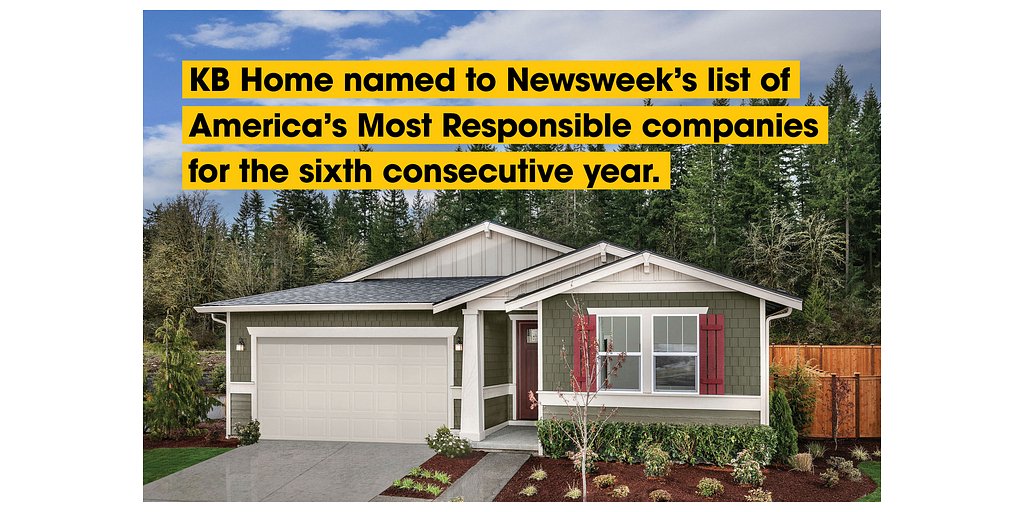
This week, KB Home, one of the largest homebuilders in the United States, was named to Newsweek’s America’s Most Responsible Companies list for the sixth consecutive year, securing its position as the highest-ranked national builder. The recognition, based on a rigorous analysis of public data and extensive consumer surveys, highlights a two-decade-long commitment to sustainability that has become central to the company’s identity and business model. “We began our sustainability focus over two decades ago and are proud to have led the industry in building high-performance homes that help to lower the total cost of homeownership,” commented Jeffrey Mezger, Chairman and CEO of KB Home.
While accolades in the construction sector may seem distant from the world of biopharmaceuticals and medical devices, KB Home’s sustained success offers a compelling case study with profound implications for healthcare leaders. As the healthcare industry grapples with its own challenges of affordability, public trust, and environmental impact, the strategies that propelled a homebuilder to the top of responsibility rankings provide a transferable blueprint for innovation and long-term value creation. The core lesson is that a deeply integrated Environmental, Social, and Governance (ESG) strategy is no longer a peripheral corporate function but a central driver of competitive advantage and market leadership.
From Building Codes to Ethical Codes
Understanding the significance of KB Home's achievement requires a look beneath the surface of the award itself. The Newsweek and Statista ranking is not a simple popularity contest; it is a data-driven evaluation of over 30 key performance indicators (KPIs) across environmental, social, and governance pillars, supplemented by a survey of 18,000 U.S. residents. This methodology rewards quantifiable results, not just well-intentioned mission statements.
In KB Home’s case, the metrics are impressive. By 2024, the company had constructed its 200,000th ENERGY STAR® certified home, more than any other builder in the nation. Its homes achieved an average Home Energy Rating System (HERS) Index score of 45, meaning they are approximately 55% more energy-efficient than a standard new home built in 2006. This translates into tangible environmental benefits and direct cost savings for homeowners. Furthermore, its focus on water conservation, through the installation of over 1.2 million WaterSense® labeled fixtures, is estimated to save 2.1 billion gallons of water annually.
For the healthcare industry, the analogous metrics extend far beyond clinical trial success rates and revenue growth. What are the KPIs for a responsible pharmaceutical or med-tech firm? Environmentally, it involves minimizing the carbon and water footprint of manufacturing facilities and creating sustainable supply chains, a critical issue for an industry with global operations, particularly in growth markets like India and China. Socially, the most pressing KPI is access and affordability. A company's governance is tested not only by its board structure but by its transparency in drug pricing, its ethical marketing practices, and its commitment to equitable patient access. Just as KB Home’s HERS score is a public measure of its environmental promise, the healthcare industry needs its own transparent benchmarks for social and ethical performance that resonate with investors and the public alike.
The Financial Payoff of a Conscience
Skeptics have often framed ESG initiatives as a cost center—a tax on profits in the name of corporate image. However, KB Home’s model demonstrates a powerful symbiosis between responsibility and financial performance. The company’s primary sustainability feature—energy efficiency—is also its most compelling economic selling point. By delivering an estimated average of $1,800 in annual utility savings compared to a typical resale home, KB Home directly addresses the total cost of homeownership, a key concern for buyers. This isn't just good for the planet; it's a powerful market differentiator.
Research confirms this strategy pays dividends. Green-certified homes not only command higher property values—in some markets selling for up to 10% more—but they also tend to sell faster. This financial return extends to the corporate level. In an investment landscape increasingly dominated by ESG criteria, companies with proven sustainability track records are more attractive to capital. They may benefit from a lower cost of equity and access to new pools of funding like green bonds. KB Home's consistent recognition strengthens its brand reputation, mitigating risk and building long-term investor confidence.
The parallel for the pharmaceutical industry is stark. While the high cost of R&D is often cited to justify pricing, public and political pressure over drug costs represents a significant financial and reputational risk. A pharma company that invests proactively in green manufacturing to reduce long-term operational costs, or pioneers innovative pricing models that expand patient access, is not merely engaging in philanthropy. It is building a more resilient and defensible business model. Such a strategy can attract long-term, ESG-focused investors and foster a level of brand trust that is invaluable during patent cliffs or periods of intense public scrutiny.
Meeting Consumer Demand for Value and Transparency
Ultimately, market success is dictated by consumer demand. Surveys consistently show that while homebuyers are concerned about the environment, their primary motivation for choosing energy-efficient features is cost savings. A National Association of Home Builders (NAHB) study found that 57% of buyers are willing to pay $5,000 more upfront to save $1,000 annually on utilities. The key is a clear and credible value proposition, something a trusted brand like ENERGY STAR, recognized by 73% of buyers, helps deliver.
This consumer mindset is directly applicable to healthcare. Patients are, in effect, consumers making some of the most critical decisions of their lives. They are increasingly frustrated by the industry's opaque pricing and complex billing. The desire for lower utility bills in a home is analogous to the demand for affordable and predictable healthcare costs. A health insurance plan, a hospital network, or a pharmaceutical company that champions transparency and demonstrates clear value for money could build the same kind of powerful brand loyalty that KB Home has cultivated.
The public perception component of the Newsweek ranking underscores this point. A company’s reputation for acting responsibly is a tangible asset. For healthcare companies, whose products are intimately tied to human well-being, this social license to operate is even more critical. Building it requires more than just effective products; it requires a visible commitment to the financial and environmental health of the communities they serve.
KB Home’s journey shows that embedding sustainability into a corporate strategy is a long-term bet that can reshape an entire industry. It redefines value by linking corporate success directly to customer savings and environmental stewardship. The healthcare industry, facing its own crises of cost and public trust, would do well to study this blueprint, recognizing that the long-term health of a company is inextricably linked to the well-being of its customers and the planet.