
- 50,000 implants placed nationwide by TJO, with 32% of procedures in 2025 performed in ASCs
- 40% cost savings for procedures in ASCs compared to hospitals
- 90% of primary knee replacements performed with a single instrument tray using TJO’s Klassic ONE® system
Experts agree that TJO’s streamlined, efficiency-focused approach is accelerating the shift of joint replacement surgeries to ASCs, driven by cost savings, patient preference, and strong clinical outcomes.
The Great Migration: How TJO is Driving Joint Replacement to ASCs
SALT LAKE CITY, UT – March 02, 2026 – Medical device innovator Total Joint Orthopedics, Inc. (TJO) recently announced a significant corporate milestone: the placement of over 50,000 implants nationwide. While the number itself is impressive, a deeper look reveals a more profound story about the transformation of modern surgery. Buried in the announcement was a critical data point: 32% of the company's procedures in 2025 were performed not in traditional hospitals, but in ambulatory surgery centers (ASCs).
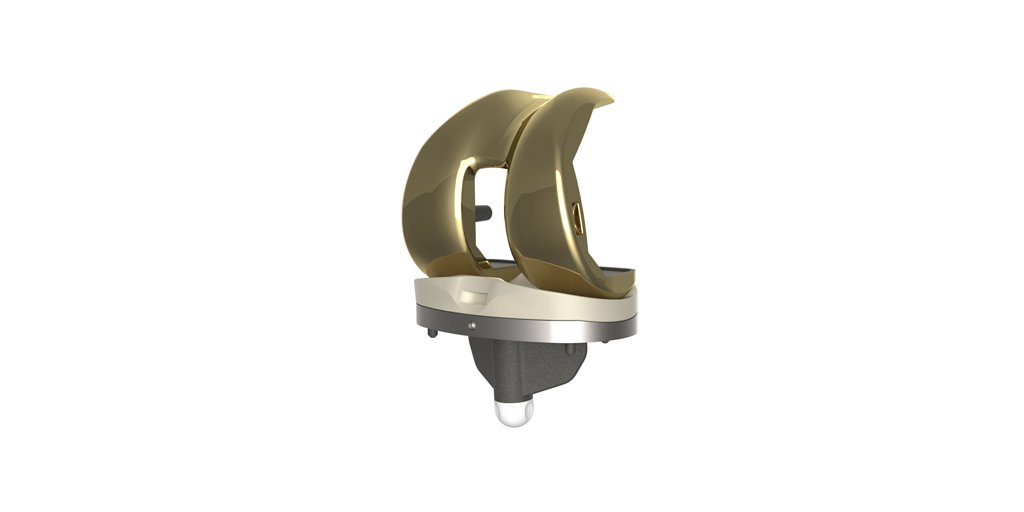
This statistic is a powerful indicator of a seismic shift in healthcare delivery, one that is moving complex procedures like total knee replacements out of sprawling hospital campuses and into specialized, efficient outpatient facilities. TJO’s success, particularly with its flagship Klassic® Knee System which accounts for over 38,000 of the implants, is intrinsically linked to this trend, positioning the company as a key enabler in the decentralization of orthopedic care.
The ASC Revolution in Orthopedics
The operating room is moving. Once the exclusive domain of large hospitals, total joint arthroplasty is rapidly migrating to ASCs. Industry projections are stark: by 2026, it is estimated that more than half of all total joint replacements in the United States will be performed on an outpatient basis. This migration is fueled by a powerful convergence of factors, creating a perfect storm for change.
For payers and patients, the primary driver is cost. Procedures performed in ASCs can cost up to 40% less than the same surgery in a hospital inpatient setting, a staggering figure in a healthcare system grappling with relentless cost pressures. This economic advantage is amplified by evolving reimbursement policies, particularly the Centers for Medicare & Medicaid Services (CMS) decision in recent years to approve total knee and hip replacements for the ASC-covered list.
Beyond the balance sheet, patient preference is playing a pivotal role. ASCs offer a more convenient, less intimidating experience. Patients benefit from easier navigation, shorter wait times, and the ability to recover in the comfort of their own homes—a stark contrast to multi-day hospital stays. This improved patient experience is coupled with strong clinical results, as the focused, controlled environment of an ASC often leads to lower infection rates compared to their hospital counterparts.
This shift, however, places immense pressure on the operational model of the ASC. With tighter budgets and no vast hospital infrastructure to fall back on, every minute and every dollar counts. Success in the ASC environment depends entirely on maximizing efficiency, standardizing processes, and ensuring rapid, predictable turnover between cases.
Efficiency as the New Currency in Surgical Care
In this new, fast-paced environment, efficiency is the ultimate currency. This is the precise market that Total Joint Orthopedics has targeted with its “Efficiency by Design” philosophy. The company has built its portfolio around the core needs of the modern ASC, prioritizing streamlined systems that reduce complexity and cost without compromising clinical excellence.
“Ambulatory surgery centers are now our fastest-growing primary TKA setting,” commented Erin Hofmann, TJO’s CEO, in the company's recent announcement. “In those environments, efficiency is imperative. Systems that simplify workflow and reduce tray burden earn their place in the OR. Surgeons stay with solutions that make their teams’ jobs easier while maintaining excellent outcomes.”
At the heart of this strategy is the Klassic® Knee System. Its most innovative feature is a universal femoral component, a symmetric design that eliminates the need to stock separate left and right implants. This seemingly simple innovation has a cascading effect on efficiency. It dramatically simplifies inventory management and reduces the number of instruments required for a procedure. This culminates in the Klassic ONE® single-tray system, which allows up to 90% of primary knee replacements to be performed with just one instrument tray. For an ASC, this translates into direct, tangible benefits: lower sterilization costs, reduced staff setup time, and faster operating room turnover, with TJO estimating per-case savings of up to $1,350.
A Crowded Field Vying for Outpatient Supremacy
TJO is not alone in recognizing the lucrative opportunity presented by the ASC market. The world’s largest orthopedic device manufacturers, including giants like Zimmer Biomet, Stryker, and Johnson & Johnson MedTech, are aggressively courting ASCs. These competitors are deploying sophisticated strategies, often centered on high-tech capital equipment like surgical robots and comprehensive service packages that assist surgeons in building and managing their own outpatient centers.
Stryker’s Mako robot and Zimmer Biomet’s ROSA system are increasingly common sights in ASCs, promising a high degree of precision and predictability. These companies are leveraging their scale to offer end-to-end solutions that go beyond the implant itself, encompassing everything from initial ASC design to software for managing patient flow and reimbursement.
This makes TJO’s approach stand out. Rather than competing on the basis of complex robotics or massive capital investments, the company is betting on the power of elegant simplicity. By focusing on a streamlined implant and instrument design, TJO offers a path to efficiency that doesn't require a multi-million-dollar buy-in for robotic systems. This appeals to ASCs that are highly cost-conscious and prioritize lean, repeatable workflows above all else. TJO's strategy is a calculated one: in a world of increasing technological complexity, radical simplification can be its own form of innovation.
Balancing Innovation with Proven Outcomes
While efficiency and cost-effectiveness are driving the migration to ASCs, the unassailable foundation of this shift must be patient safety and excellent clinical outcomes. The streamlined nature of ASCs necessitates a high degree of certainty and predictability, making the choice of implant critically important. Surgeons and administrators must have confidence that the devices they use are not only efficient to implant but also durable and reliable for the long term.
Recognizing this, TJO has emphasized the clinical evidence supporting its products. The company highlights ten-year survivorship and functional outcome data for the Klassic® Knee, aiming to assure surgeons that its efficiency-focused design does not come at the expense of clinical performance. The press release also points to a comparative analysis showing the symmetric implant design resulted in significantly improved radiographic patellar tracking, reinforcing the biomechanical soundness of the universal component.
This focus on proven outcomes is crucial, as the success of the entire outpatient joint replacement model hinges on careful patient selection and reproducible protocols. The ideal ASC candidate is typically healthier, with fewer comorbidities and strong social support for home recovery. By combining this rigorous patient selection with reliable, well-studied implants and efficient surgical systems, the orthopedic community is forging a new standard of care. This model promises to deliver high-quality joint replacement to more people in a more convenient and economically sustainable way, a future that companies like Total Joint Orthopedics are actively helping to build.