
- 2012: Founding year of US Performance Academy (USPA), an accredited online school for elite athletes.
- 2024 Winter Youth Olympics: Lara Markthaler's breakout performance, showcasing the effectiveness of USPA's model.
- 2026 Milano Cortina Winter Olympics: Two USPA students, Lara Markthaler and Nicole Begue, competed, highlighting the school's success in balancing education and athletics.
Experts agree that specialized online schools like USPA are revolutionizing the education of elite young athletes by providing flexible, accredited learning that aligns with their rigorous training schedules, ensuring both academic and athletic excellence can coexist.
The Classroom on the Slopes: How Online Schools Shape Olympians
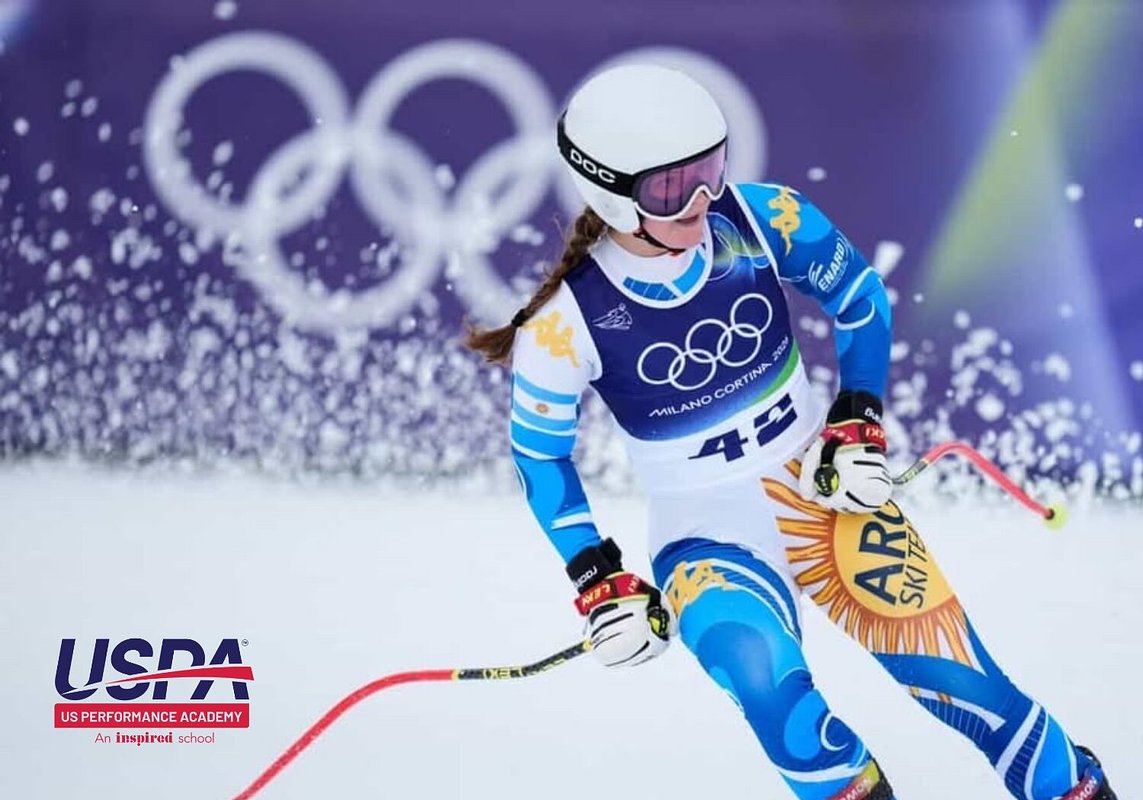
ELKINS, N.H. – February 24, 2026 – As the echoes of the closing ceremonies fade from the Milano Cortina 2026 Winter Olympics, a different kind of celebration is taking place far from the packed stadiums and snowy peaks of Italy. Here, US Performance Academy (USPA), an accredited online school, is honoring two of its own who competed on the world's biggest stage: alpine skiers Lara Markthaler of South Africa and Nicole Begue of Argentina.
Their participation in events like the Slalom, Super-G, and Giant Slalom is more than a story of athletic achievement; it represents a seismic shift in how elite young athletes can pursue both Olympic dreams and a rigorous education. The success of these student-Olympians casts a spotlight on a specialized educational model that prioritizes flexibility, proving that the classroom no longer needs to be a casualty of a demanding training schedule.
The New Blueprint for Olympic Hopefuls
For decades, the path for a high-performance student-athlete was fraught with compromise. The relentless demands of training, travel, and competition often clashed with the rigid structure of traditional brick-and-mortar schools. This forced many young talents into difficult choices: sacrifice academic progress, put athletic ambitions on hold, or attempt a stressful balancing act that risked burnout in both arenas.
Institutions like US Performance Academy, founded in 2012, were created to dismantle this paradigm. By leveraging technology and a deep understanding of the athlete's lifestyle, they offer a fully accredited, college-preparatory education that travels with the student. This model is built on a foundation of flexibility. Through a blend of synchronous live classes and asynchronous, self-paced coursework, athletes can structure their school days around their training camps, time zones, and competition schedules.
"My experience with USPA has been really good in comparison to a regular brick and mortar school," said Lara Markthaler, who made her Olympic debut at Milano Cortina. "I have a lot more flexibility, which allows me to train more and have a much clearer mind when I ski because I don't have to worry about falling behind."
Central to this success is a robust support system. Each student is paired with a dedicated learning coach who acts as a mentor, scheduler, and academic guide. This one-on-one support, a hallmark of USPA's approach, helps students navigate the unique pressures they face. The school's accreditation by the New England Association of Schools and Colleges (NEASC) ensures that the diploma they earn is not a compromised alternative, but a respected credential that opens doors to higher education, with dedicated counselors providing guidance on NCAA eligibility and college applications.
From Youth Olympics to the World Stage
The journeys of Markthaler and Begue serve as powerful case studies for this educational revolution. Markthaler's appearance in Milano Cortina was not a surprise to those who followed her career. Her performance was a culmination of years of dedication, highlighted by a breakout appearance at the 2024 Winter Youth Olympics in Gangwon. Her seamless transition from the youth stage to senior-level Olympic competition underscores a pathway that was nurtured, not hindered, by her academic environment.
For Nicole Begue, a USPA Class of 2024 alumna, the ability to maintain her studies while representing Argentina was crucial. Her training regimen took her across multiple countries, a logistical nightmare for any student tied to a physical campus. She competed in the Team Combined Downhill and Women's Super-G, a testament to her focus and preparation.
"While I was training and competing across different countries, USPA made it possible for me to stay connected to my education," Begue shared. "Their flexibility and understanding of an athlete's lifestyle helped me pursue high performance in my sport while staying committed to my academics."
Their stories are not unique within the school, which serves athletes across a wide spectrum of sports, from tennis players competing in junior Grand Slams to golfers on the AJGA circuit and swimmers aiming for Olympic trials. This diverse community of high-achievers creates a unique peer group where students are surrounded by others who understand their ambition and the sacrifices required to excel.
A Growing Market for Specialized Education
The rise of schools like USPA is a direct response to powerful trends in both sports and education. Youth sports have become increasingly professionalized, with athletes specializing earlier and dedicating more hours to training than ever before. This, combined with the globalization of competition, has made flexible schooling less of a luxury and more of a necessity.
Industry experts note that the COVID-19 pandemic significantly accelerated the acceptance and technological advancement of online learning, further legitimizing it as a viable and effective option. As a result, a niche market for athlete-centric education has boomed, with several institutions now competing to offer the most comprehensive and supportive programs. These schools differentiate themselves not just with flexibility, but with specialized services like NCAA compliance expertise, mental wellness support, and a curriculum designed for critical thinking—skills essential for both athletic and post-athletic careers.
This trend is fostering a new generation of athletes who are more prepared for life beyond the podium. By enabling them to pursue a high-quality education concurrently with their athletic careers, these programs help ensure that a student's identity is not solely tied to their sport. They are cultivating well-rounded individuals equipped with the academic credentials and life skills needed to transition into university or other professions once their time in elite competition concludes.
As USPA celebrates the achievements of its Olympians, the real victory being highlighted is the unwavering belief that academic and athletic excellence can, and should, coexist. The model provides a blueprint for how to nurture the world's next generation of champions without asking them to choose between a textbook and the finish line.