
- 75% approval rate: Voters overwhelmingly passed the school bond issue, a rare success in rural school funding.
- $X million bond: Funds critical infrastructure upgrades, including HVAC, lighting, and drainage improvements.
- 300+ projects: Veregy, the partner firm, has completed over 300 school infrastructure projects in Missouri.
Experts would likely conclude that Albany’s success stems from a combination of transparent community engagement, strategic partnerships, and a clear, long-term vision for sustainable investment in education.
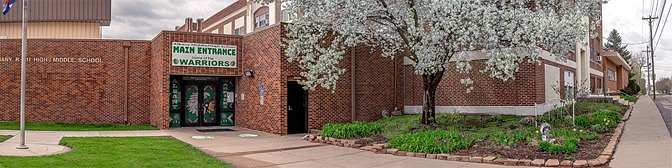
The Albany Blueprint: A Small Town's Big Yes for School Funding
ALBANY, MO – June 10, 2026 – In a political climate where the words "tax increase" are often a non-starter, the Albany R-III School District has achieved the seemingly impossible. On April 7, voters in this small, rural northwest Missouri community approved a school bond issue with an overwhelming 75% majority. The vote stands as a stark anomaly, a powerful testament to what can happen when a community decides to invest in its future, even when it costs them.
This success story is not about a sudden windfall or a political fluke. It’s a case study in deliberate, grassroots strategy, offering a potential blueprint for thousands of other rural districts across America that are grappling with crumbling infrastructure and dwindling state support. Albany’s journey from facing critical facility needs to securing a resounding public mandate reveals a masterclass in building trust, communicating value, and forging strategic partnerships.
Overcoming the Odds in Rural Missouri
To understand the significance of Albany’s achievement, one must first appreciate the daunting landscape of rural school funding. Across the United States, and particularly in Missouri, rural districts are caught in a financial vise. State funding often falls short, with Missouri’s education policy ranked among the worst in the nation. Since 2016, the financial burden has increasingly shifted to local taxpayers as the state’s share of funding has declined. Compounding the issue are aging buildings—the national average for a K-12 school is 40 years old—with deferred maintenance backlogs reaching billions of dollars.
These are not abstract problems. They manifest as drafty classrooms, unreliable HVAC systems that fail during heatwaves, and poor lighting that impacts student focus. In many communities, asking residents to raise their own taxes to fix these issues, especially during times of economic uncertainty, is a recipe for failure at the ballot box.
"What this vote shows is the strength of our community," said Albany R-III Superintendent Dustin Freeman. "Even in a climate where tax increases are difficult to pass, our residents took the time to understand the need and the long-term benefits." His sentiment captures the core of their success: they didn't just ask for money; they built a comprehensive case for investment.
The 'Warriors C.A.R.E.' Playbook
The driving force behind the community buy-in was the Warriors C.A.R.E. committee, a grassroots group that methodically dismantled voter skepticism through transparency and relentless engagement. Instead of a last-minute advertising blitz, the committee embarked on a long-term educational campaign. They organized open houses, allowing residents to see the rusted pipes and aging window frames for themselves. They held community forums where no question was off-limits.
This strategy transformed the narrative from a simple tax hike into a shared community project. Residents were treated as partners, not just as taxpayers. They were given multiple opportunities to understand the "why" behind the bond—the urgent need to address critical infrastructure failures that posed a risk to both student learning and the district's long-term financial health.
“This was about more than a ballot measure - it was about investing in our future,” reflected Perry Phillips, a long-standing local community member. “The district made the effort to keep people informed, and the community responded.” This deep-seated trust, cultivated over months of open dialogue, proved to be the campaign’s most valuable asset.
A Strategic Partnership for Modernization
While community engagement built the foundation of trust, a strategic partnership provided the technical credibility and a clear path forward. The district collaborated with Veregy, a decarbonization and energy services company (ESCO) with extensive experience in school infrastructure projects, having completed over 300 in Missouri alone.
Veregy’s role went far beyond simply creating "clear, accessible informational materials," as noted in the initial announcement. As an ESCO, the firm specializes in designing and implementing comprehensive infrastructure upgrades that pay for themselves over time through energy and operational savings. This model was crucial for Albany. The bond wasn't just funding patchwork repairs; it was financing a strategic modernization of district facilities.
The approved projects include replacing windows, upgrading HVAC systems, improving lighting, and enhancing drainage. These aren't merely cosmetic fixes. New HVAC systems directly improve indoor air quality—a top concern for parents and educators in a post-pandemic world. Modern, efficient lighting enhances the learning environment and reduces electricity consumption. Crucially, these upgrades move the district from a reactive, expensive cycle of emergency repairs to a proactive, cost-efficient operational model. Veregy’s expertise and performance guarantees, which promise to cover any shortfall in projected energy savings, effectively de-risked the financial investment for the community.
A Beacon for Rural Education
Albany R-III’s success offers a powerful counter-narrative to the prevailing story of decline in rural American education. It demonstrates that communities are willing to invest when they are respected as partners, when the need is clearly articulated, and when the proposed solution is both strategic and sustainable.
The combination of authentic, grassroots leadership from the Warriors C.A.R.E. committee and the technical and financial expertise provided by Veregy created an unimpeachable case for action. It showed voters not just a problem, but a viable, long-term solution that would benefit students, staff, and the district's budget for decades to come.
As other rural districts face similar crossroads, they may find the most valuable lessons not in state capitols or federal policy debates, but in the determined efforts of this small Missouri town. Albany has demonstrated that when a community truly comes together, it can build more than just new facilities—it can build a foundation for a stronger future.