
- £129.99: Price of Ceretone's affordable hearing aids, a 95% savings compared to traditional prescription aids.
- 18 million: Estimated number of UK adults with hearing loss or tinnitus.
- 2.4 million: Number of Britons struggling with everyday conversations due to hearing loss.
Experts acknowledge the potential of affordable over-the-counter hearing aids to improve access and early intervention but caution about the risks of bypassing professional assessments, including missed diagnoses and suboptimal device configurations.
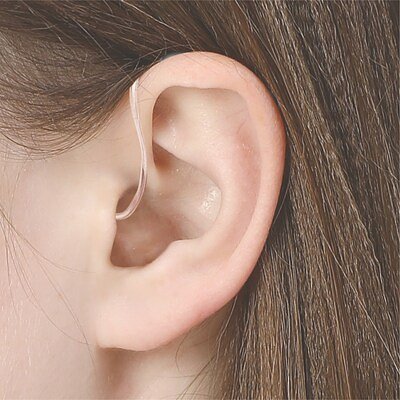
The £130 Hearing Aid: A Silent Revolution in UK Healthcare
LONDON – April 15, 2026 – For millions of Britons living in a world of muffled conversations and fading sounds, a revolution is underway—but most are unaware it has even begun. A landmark change in UK legislation, passed with little fanfare, has opened the floodgates for affordable, ready-to-wear hearing aids to be sold directly to consumers. This shift is poised to disrupt a multi-billion-pound industry and offers a lifeline to those who have been priced out of hearing health, yet it also raises critical questions about safety and the role of medical professionals.
Enter Ceretone, a hearing technology brand that has just launched in the UK, aiming to be at the forefront of this new era. With devices starting at just £129.99—a stark contrast to the thousands of pounds traditionally required for prescription aids—the company is making a bold promise: to do for hearing what budget retailers did for eyesight. The question now is whether the public will finally hear the message.
A Quiet Law, A Loud Impact
The catalyst for this market shake-up was a guidance update from the Department of Health and Social Care on January 16, 2025. This quietly revolutionary move gave the green light for companies to sell innovative hearing devices, designed for adults with perceived mild-to-moderate hearing loss, over the counter without a prescription. Previously, the path to acquiring a hearing aid was almost exclusively through the NHS or private audiologists, a process involving professional assessments, fittings, and costs that could spiral up to £5,000.
The new framework enables savings of up to 95% and has paved the way for a new class of consumer-friendly medical devices. Ceretone’s products, which have received the UK’s Medical Device Regulations (MDR) approval, exemplify this new wave. Models like the discreet ‘Core One’ or the feature-rich ‘Beacon’ come with rechargeable batteries, app-based self-fitting tests, and Bluetooth connectivity, packing advanced technology into an accessible package.
“The change in UK law is one of the most significant moments in hearing health in a generation, but it means nothing if people don't know about it,” said Ben Yang, audiology expert at Ceretone, in a recent statement. “The reality is that millions of Britons are struggling unnecessarily, assuming proper hearing care is out of their financial reach. We're here to change that.”
The Scale of the Silence
The need for such a change is stark. According to the Royal National Institute for Deaf People (RNID), an estimated 18 million adults in the UK suffer from some form of hearing loss or tinnitus. Of those, 2.4 million struggle with everyday conversations, and nearly 80% of people over 70 are affected to some degree. Yet, vast numbers remain untreated, put off by high costs, perceived stigma, or difficulty accessing care.
The consequences extend far beyond social inconvenience. A growing body of research has established a chilling link between untreated hearing loss and cognitive decline. Studies highlighted by Alzheimer’s charities show that even mild hearing loss can double the risk of developing dementia, while severe loss makes it five times more likely. This connection has transformed hearing health from a quality-of-life issue into a critical public health imperative.
For years, the high financial barrier has left many with a difficult choice: struggle in silence or face a crippling expense. The new over-the-counter options present a potential solution to this dilemma, offering a crucial first step for many who have been hesitant to address their hearing.
The Promise and Peril of Accessibility
While the prospect of affordable, accessible hearing aids is being celebrated by consumer advocates, it has been met with a mix of cautious optimism and significant concern from the audiology community. Professional bodies like the British Academy of Audiology (BAA) acknowledge the potential for these devices to encourage earlier intervention and reduce pressure on NHS services.
However, they also sound a note of caution. The primary concern is the removal of the professional audiologist from the initial process. A traditional hearing assessment does more than just measure hearing loss; it can identify underlying medical causes, such as wax buildup, infections, or even tumours, that an app-based test would miss. Critics warn that by bypassing this crucial diagnostic step, individuals might self-prescribe a device for a condition that requires medical treatment, potentially delaying a critical diagnosis.
Furthermore, experts question the one-size-fits-all approach. Hearing loss is unique to each individual, and professionally fitted aids are fine-tuned to a patient’s specific audiological profile. There are fears that poorly configured over-the-counter devices could provide substandard sound quality or, in a worst-case scenario, amplify sounds to a level that could cause further damage. The lack of structured aftercare and support, a cornerstone of traditional audiology, is another significant drawback noted by professionals.
Despite these concerns, the convenience and discretion of the new devices are powerful draws. The ability to test one's hearing and configure a device from the comfort of home helps dismantle the stigma that has long been a barrier to wearing hearing aids.
A Market Disrupted
The arrival of companies like Ceretone is set to send shockwaves through the UK’s audiology market, which was valued at over £240 million in 2023 and is projected to grow significantly. The traditional business model, reliant on high-margin prescription devices sold through a network of high street clinics, is now facing its most significant challenge in decades.
This disruption mirrors the transformation seen in the eyewear industry, where online retailers and budget chains broke the dominance of traditional opticians, making glasses accessible to a much wider audience. Established global players in the hearing aid market, such as Sonova and Demant, must now contend with a new breed of agile, direct-to-consumer competitors operating on entirely different price points and business models.
For millions of consumers, this new competition can only be a good thing, promising more choice, greater innovation, and, most importantly, lower prices. As awareness of the new legislation and the products it enables slowly grows, Britain stands at a crossroads in its approach to hearing health. The technology and the legal framework are now in place to address a long-neglected crisis, but the ultimate success of this revolution will depend on navigating the delicate balance between democratizing access and ensuring patient safety. The silence has been broken, and the entire industry is listening intently to what comes next.